
Plants
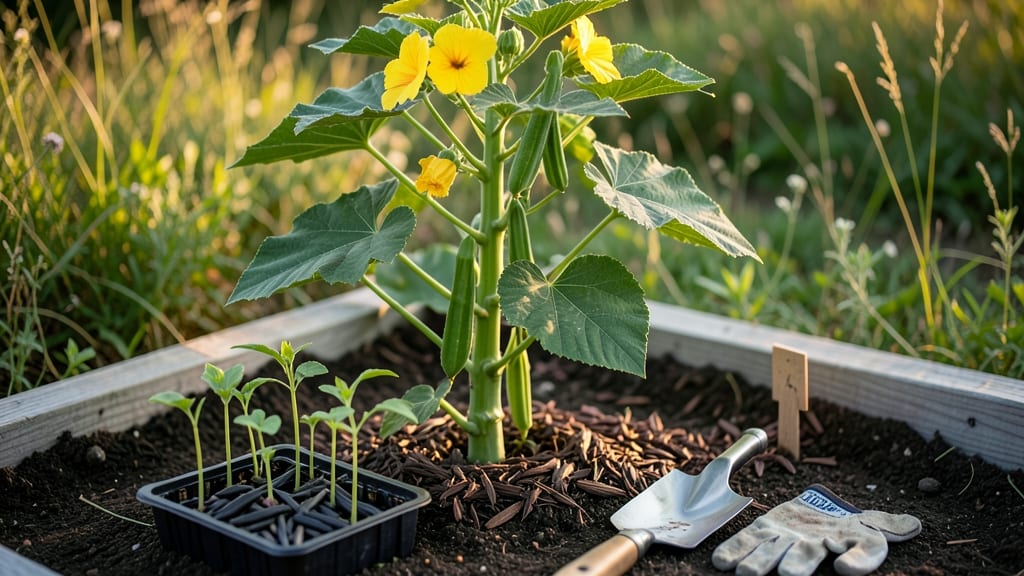
Timing your okra planting in Texas can mean the difference between a bountiful harvest of tender pods and a frustrating struggle with tough, fibrous ones.
The key to success lies in understanding your specific heat zone—whether you're in North, Central, or South Texas—because planting too early risks frost damage, while waiting too long can lead to bolting before you even get a chance to harvest.
For most Texas gardeners, the ideal window falls between March and May for North Texas and February to April for Central and South Texas. But here's the catch: okra 🌱 thrives in heat, so you need to wait until soil temperatures consistently hit 60°F and all frost risk has passed.
Getting this right ensures your plants grow strong and produce prolifically from June through October.
I’ve seen firsthand how a few weeks can make or break an okra crop in Texas’ unpredictable climate.
Whether you’re a seasoned gardener or just starting out, this guide will help you navigate the nuances—from soil prep to watering strategies—that keep your okra plants happy and productive, even in the scorching Texas summer.
Let’s dive into the exact steps to plant okra at the perfect time, so you can enjoy fresh, homegrown pods all season long without the guesswork. You’ll learn how to avoid common mistakes, extend your harvest, and even grow okra in containers if space is limited.
Texas heat zone planting calendar for okra success
Okra thrives in Texas’ heat, but planting too early or late can trigger bolting (premature flowering) or stunted growth. The key is aligning your planting window with soil temperatures and frost-free dates for each Texas heat zone. Here’s your breakdown to avoid common pitfalls and maximize tender pods.
Texas spans USDA zones 8a-10b, meaning frost risks vary dramatically. North Texas (e.g., Dallas) faces later last frosts (mid-February), while South Texas (e.g., Corpus Christi) can plant as early as February.
Central Texas (Austin/San Antonio) falls in between, with January 15 as the average last frost date.
For direct sowing (planting seeds outdoors), wait until soil reaches 60°F—a critical threshold for okra germination. Transplants can handle slightly cooler soil (55°F), but they’ll bolt faster in heat. Use a soil thermometer to confirm readiness, especially in North Texas where cooler springs delay planting.
Here’s your heat-zone-specific planting calendar to time it perfectly:
In North Texas, where springs can linger cool, opt for transplants instead of direct sowing to shave weeks off the growing season. Start seeds indoors 4–6 weeks before your target transplant date (e.g., late February for Dallas). Use black plastic mulch to warm soil faster and prevent bolting.
For Central and South Texas, direct sowing is ideal—okra seeds germinate quickly in warm soil (5–7 days at 80°F). Space seeds 1 inch deep and 12 inches apart in rows 3 feet apart to allow airflow and prevent powdery mildew, a common Texas issue.
Thin seedlings to 18 inches apart once they’re 3 inches tall.
Pro tip: Shade cloth (30–50%) can protect young plants from intense Texas sun during the first 2 weeks, reducing stress. Remove it once plants are established. Pair okra with companion plants like basil or marigolds to deter pests and improve flavor.
Timing isn’t just about months—it’s about heat acclimation. Okra bolts when stressed by cool nights or sudden heat spikes. In South Texas, where summer arrives early, plant heat-tolerant varieties like ‘Clemson Spineless’ or ‘Emerald’ to avoid premature flowering. Harvest pods daily to encourage continuous production.
Remember: June planting is your last chance for a fall harvest in most of Texas. Choose fast-maturing varieties (50–55 days to harvest) and prioritize consistent watering to offset shorter daylight hours.
With the right timing, you’ll enjoy tender okra pods from June through October—or even later in the deep South.
How to extend okra season in Texas without risking bolting
Texas summers can be brutal on okra, causing plants to bolt prematurely or stop producing. But with the right strategies, you can enjoy tender pods well into fall—even through our infamous 100°F+ heat waves.
The key is balancing succession planting, heat-tolerant varieties, and smart water management to keep your okra productive.
First, focus on planting heat-tolerant varieties like 'Clemson Spineless' or 'Emerald'—these handle Texas heat better than standard types. These varieties can withstand temperatures up to 95°F without bolting, giving you a longer harvest window.
For urban gardeners, container-grown okra also performs better in heat since pots warm up faster and can be moved to shaded areas during peak afternoon sun.
Here’s how to maximize your harvest season:
Plant okra in two waves: your first batch in late February to March (South Texas) or March to April (North Texas), then a second batch 4-6 weeks later. This ensures a continuous supply of fresh pods as the first plants mature.
If planting after June 1, use 30-50% shade cloth during the hottest hours (12 PM–4 PM) to prevent bolting. This mimics cooler conditions and extends the growing season by 4-6 weeks.
Apply a 3-4 inch layer of mulch (straw or wood chips) around plants to keep soil temperatures stable and reduce water evaporation. In Texas, mulch can lower soil temps by 10-15°F, which is critical for preventing heat stress.
Okra needs 1-2 gallons of water per plant daily during heatwaves. Water at sunrise to allow foliage to dry before evening, reducing fungal risks like powdery mildew. Drip irrigation is ideal—it delivers water directly to roots without wetting leaves.
Pick pods every 2-3 days when they’re 2-3 inches long. This stimulates more flowering and prevents the plant from diverting energy to seed production. A single plant can yield 10-20 pods per week if harvested consistently.
For urban gardeners or small spaces, consider vertical trellising. Okra grows well on tall stakes or cages, saving space and improving airflow—both of which reduce heat stress. Just ensure your trellis is sturdy; mature plants can reach 6-10 feet tall and weigh 20+ pounds when laden with pods.
Finally, monitor your plants for signs of heat stress, like yellowing leaves or wilting despite adequate water. If this happens, provide temporary shade and reduce watering slightly until temps drop. With these techniques, you can enjoy fresh okra from June through October—or even later in South Texas.