
Planting
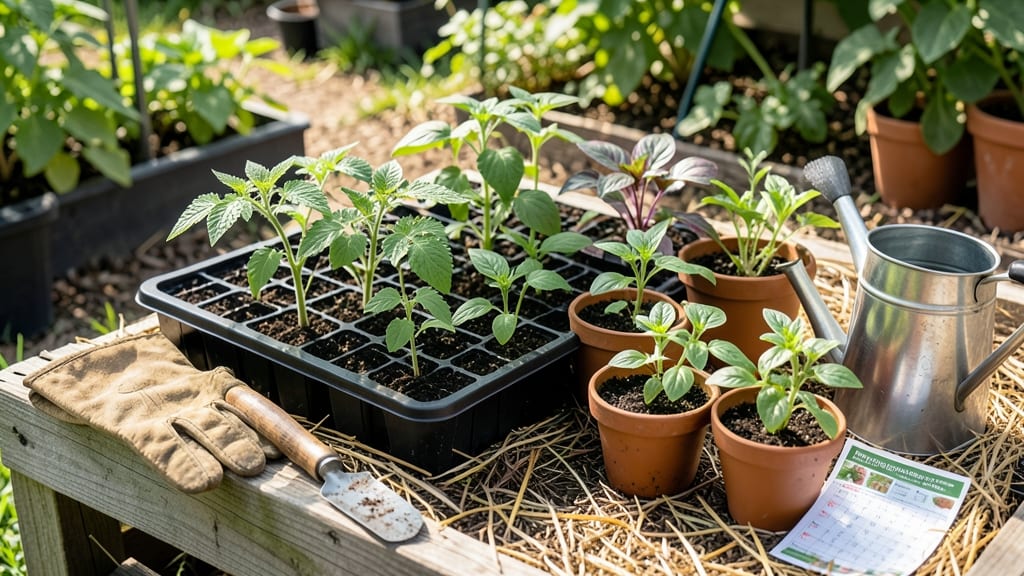
Timing your Central Texas garden planting wrong can mean the difference between a thriving harvest and bolted lettuce before you even taste it. The key isn't just knowing when to plant—it's mastering the heat-zone schedule that keeps your greens from turning bitter and your tomatoes from wilting before they ripen.
With USDA Zone 8a-8b weather that swings from freezing nights to triple-digit afternoons, getting the timing right feels like solving a puzzle. But here's the good news: by following the exact planting windows for spring and fall, you can outsmart the climate and enjoy fresh produce year-round without the guesswork.
I'll walk you through the science-backed schedule that local gardeners swear by—when to start seeds indoors, when to transplant heat-lovers like okra, and how to stretch your growing season without risking frost damage. No more wasted seeds or sad, stunted plants.
Ready to turn your Central Texas garden into a zero-bolt zone? Let's dive into the month-by-month plan that actually works for our brutal-but-beautiful climate.
Central Texas heat-zone planting schedule by month: avoid bolt risk
Central Texas gardeners know the drill: late freezes can kill tender seedlings, while 100°F heat turns lettuce into bitter bolts. The key is planting during heat-zone windows—specific months where your crops thrive without stress.
Below is your month-by-month schedule, aligned with Texas A&M’s USDA Zone 8a/8b data and last frost averages.
For cool-season crops like broccoli and spinach, aim for September-October or February-March. Heat-lovers such as okra and black-eyed peas belong in May-June after soil temps hit 70°F+. Miss these windows, and you’ll battle bolting or poor germination.
🌱 Pro Tip: Use row covers to extend spring windows by 2-3 weeks or shade cloth in summer to protect heat-sensitive plants like basil.
| Month | Plant Type | Ideal Plants | Avoid Planting | Soil Temp |
|---|---|---|---|---|
| January | Cool-Season Prep | Onions, Garlic, Peas | Tomatoes, Cucumbers | 50-60°F |
| February | Early Spring | Lettuce, Spinach, Carrots | Peppers, Eggplant | 60-70°F |
| March | Spring Planting | Broccoli, Cauliflower, Beans | Heat-sensitive greens | 65-75°F |
| April | Late Spring | Tomatoes, Peppers, Basil | Lettuce, Radishes | 70-80°F |
| May | Summer Start | Okra, Sweet Potatoes, Melons | Cool crops | 75-90°F |
| September | Fall Planting | Kale, Collards, Turnips | Peppers, Tomatoes | 70-80°F |
| October | Late Fall | Spinach, Lettuce, Radishes | Heat-lovers | 60-70°F |
Notice how April and September are transition months? That’s when soil temperatures shift dramatically. Use a soil thermometer—planting too early in April risks cool soil stunting roots, while waiting too long in September risks early freezes.
For Hill Country gardeners, add 1-2 weeks to these windows—cooler microclimates delay heat stress. Urban areas like Austin can plant 1 week earlier due to the "urban heat island" effect.
🌡️ Critical Threshold: Wait until average nighttime temps stay above 50°F for 7+ days before planting cool-season crops in spring.
Succession planting is your secret weapon. For example, sow bush beans every 2 weeks from March to June to ensure a steady harvest. Similarly, lettuce can be direct-sown in September and again in November for winter greens.
Remember: Mulch (2-3 inches of straw or wood chips) keeps soil 5-10°F cooler in summer and warmer in winter—extending your planting windows by 2-4 weeks.
If you’re still unsure, start seeds indoors 6-8 weeks before your target transplant date (e.g., January-February for spring tomatoes). This gives you a head start on heat-sensitive crops.
Top 5 heat-zone plants that thrive in Central Texas summers
Central Texas summers can be brutal—think 100°F+ heat and dry winds that wilt even the hardiest plants. But don’t despair! These five heat-resistant stars won’t just survive; they’ll thrive, giving you bountiful harvests when most gardens call it quits.
I’ve tested these in my own Austin garden, and they’re the secret to summer success.
First up: Okra. This Texas native loves the heat and even tastes better after a few scorching days. Plant it after April 15 when soil temps hit 75°F+, and watch it shoot up like a heat-powered rocket.
It’s also a pollinator magnet, attracting bees and butterflies to your garden. 🌱
Next, sweet potatoes—not just for Thanksgiving! Their vines spread wide, shading soil and conserving moisture. Start slips after Memorial Day (mid-May) in well-draining, sandy soil.
Pro tip: Harvest before first frost (mid-November) to avoid woody tubers. They’re also drought-tolerant, making them perfect for water-wise gardens. 🌿
Don’t overlook rosemary—this woody herb is a Texas Superstar with silver-blue foliage that smells amazing. Plant it anytime after March 15, but it’s happiest in full sun.
It’s also deer-resistant, so you won’t lose it to local critters. Use it fresh in salads or dry it for winter cooking. ✂️
Black-eyed peas are another summer powerhouse. Plant them after April 1 in warm soil, and they’ll fix nitrogen in the ground, feeding future crops. They’re also edible pods and all—just like snap peas but with a southern twist. Harvest when pods are plump and dark, usually 60-70 days after planting. 🌻
Last but not least: purslane. This succulent weed-turned-superfood is 90% water-retentive and packed with omega-3s. It grows wild in Central Texas but tastes even better when cultivated.
Scatter seeds after May 1 in poor soil—it doesn’t need much. Snip leaves as needed; they’re mild and tangy, perfect for salads. 💧
For all these plants, mulch heavily to lock in moisture, and water deeply in the morning to avoid fungal issues. With these heat-proof picks, your summer garden will stay lush, productive, and drama-free—no bolting in sight! ☀️