
Plants
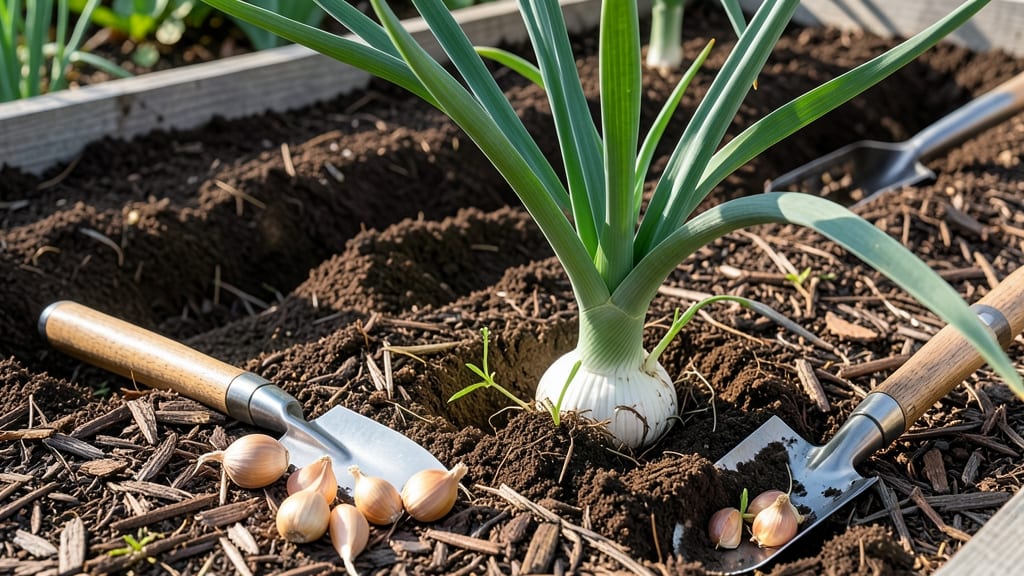
Planting garlic in Missouri isn’t just about sticking cloves in the ground—it’s about catching that 4-6 week window before hard freeze that makes all the difference between a thriving crop and a flop.
If you’ve ever planted garlic too late and watched your efforts wither, you’re not alone, and the fix is simpler than you think.
Missouri’s USDA Zones 5b-6b demand precision, especially when it comes to garlic. The ideal time to plant is between October and November, but missing this narrow window can leave your 🧄 cloves struggling to establish roots before winter sets in.
Whether you’re growing hardneck or softneck varieties, timing is the key to a harvest worth bragging about.
I’ll walk you through the exact deadlines for your region—St. Louis, Kansas City, or Columbia—and how to adjust for microclimates that can shift your planting schedule by weeks. Plus, we’ll cover the best varieties for Missouri’s climate and what to do if you’ve already missed the fall window.
By the end, you’ll know exactly when to plant, how to prepare your soil, and even how to salvage a late start. Let’s get that garlic growing!
Missouri garlic planting deadlines by USDA Zone 5-6 (critical fall timeline)
Missouri’s USDA Zones 5b-6b create a tight window for planting garlic—typically 4-6 weeks before hard freeze. This means most gardeners should aim for mid-October to early November, but exact dates vary by region.
St. Louis (Zone 6a) has a later deadline than Columbia (Zone 5b), so knowing your local frost date is critical.
Garlic needs cold stratification to form bulbs, so planting too early (like August) can lead to premature sprouting. Conversely, planting after mid-November risks cloves rotting in frozen soil. The key is to plant when soil temperatures drop below 50°F but before the ground freezes solid.
Here’s how to pinpoint your exact planting window using Missouri’s regional frost averages:
| Region | USDA Zone | Ideal Planting Window | Last Chance (Risky) | Soil Temp Threshold |
|---|---|---|---|---|
| St. Louis | 6a | October 15–November 5 | November 15 | Below 50°F |
| Kansas City | 6b | October 20–November 10 | November 20 | Below 48°F |
| Columbia | 5b | October 1–October 25 | November 10 | Below 45°F |
| Springfield | 6a | October 10–November 1 | November 12 | Below 47°F |
*Adjust 1-2 weeks earlier for high-altitude areas (e.g., Ozarks) or later for urban heat islands.
Missouri’s microclimates can shift your planting window by 1-2 weeks. For example, urban areas like St. Louis may stay warmer longer, while rural zones near the Ozarks freeze earlier. Check your local Almanac frost dates or use a soil thermometer to confirm when temps drop below 50°F at night.
If you’re unsure about your exact frost date, err on the earlier side. Garlic planted in early October will establish roots before winter and produce larger bulbs the following summer. The trade-off? Slightly more sprouting before dormancy—but this rarely harms the plant.
For hardneck varieties (like ‘Music’ or ‘German White’), the fall window is non-negotiable. These need cold vernalization to form scapes and bulbs. Softneck varieties (like ‘Silverskin’) are more forgiving but still thrive with timely fall planting. More on variety choices in the next section.
Pro tip: Mark your calendar for October 15th as your last safe planting date for most of Missouri. After that, you’re gambling with frost damage or rot. If you miss the window, don’t despair—spring planting is possible, but yields will be 50-70% smaller.
🌱
Missouri garlic planting deadlines by USDA Zone 5-6 (critical fall timeline)
Missouri’s USDA Zones 5b-6b create a tight window for planting garlic—typically between mid-October and late November. This 4-6 week window before hard freeze is non-negotiable for bulb formation.
In St. Louis (Zone 6a), aim for planting by November 1st, while Kansas City (Zone 6b) can stretch until November 15th. Columbia’s Zone 5b demands earlier action, ideally by October 25th.
Missouri’s variable fall weather complicates timing. A late October freeze can ruin early plantings, while unseasonably warm Novembers may tempt late sowing—both risks. Check your local frost date (typically mid-November for most regions) and count backward 6 weeks to set your deadline.
For example, if your first frost is November 15th, plant by October 1st.
| Region | USDA Zone | Ideal Planting Window | Last Safe Date |
|---|---|---|---|
| St. Louis | 6a | Mid-October – October 31 | November 1 |
| Kansas City | 6b | Late October – November 10 | November 15 |
| Columbia | 5b | Mid-September – October 25 | October 31 |
| Northern MO (e.g., Kirksville) | 5a | September 15 – October 15 | October 20 |
*Adjust for microclimates: South-facing slopes stay warmer; low areas freeze earlier.
Microclimates play a huge role in Missouri. A south-facing slope might stay frost-free a week longer, while a low-lying area could freeze earlier. If your yard has uneven terrain, test soil temperatures with a soil thermometer—garlic needs 40°F+ soil to root properly.
Plant in raised beds or black plastic mulch to extend the window in colder microclimates.
Missouri’s fall planting deadline isn’t just about frost—it’s about bulb initiation. Garlic bulbs form during cool fall/winter months, so planting too late (after November 15th) risks small, weak bulbs.
For hardneck varieties (like Music or German White), this timing is critical for scape production next summer. Softneck varieties (e.g., Silverskin) are slightly more forgiving but still benefit from early planting.
Pro tip: Use local extension office frost dates (e.g., University of Missouri Extension) for precision. In 2023, St. Louis saw its first frost on November 5th—plant by October 1st to avoid rushing.
For late plantings, opt for smaller cloves (they establish faster) and cover with straw to insulate roots.
Don’t stress if you miss the window—spring planting (March-April) works but yields smaller bulbs. The key is consistency: Missouri’s climate rewards gardeners who plan ahead.
Mark your calendar now for October 15th, the sweet spot for most of the state. Your next summer’s harvest depends on it! 🧄