
Plants
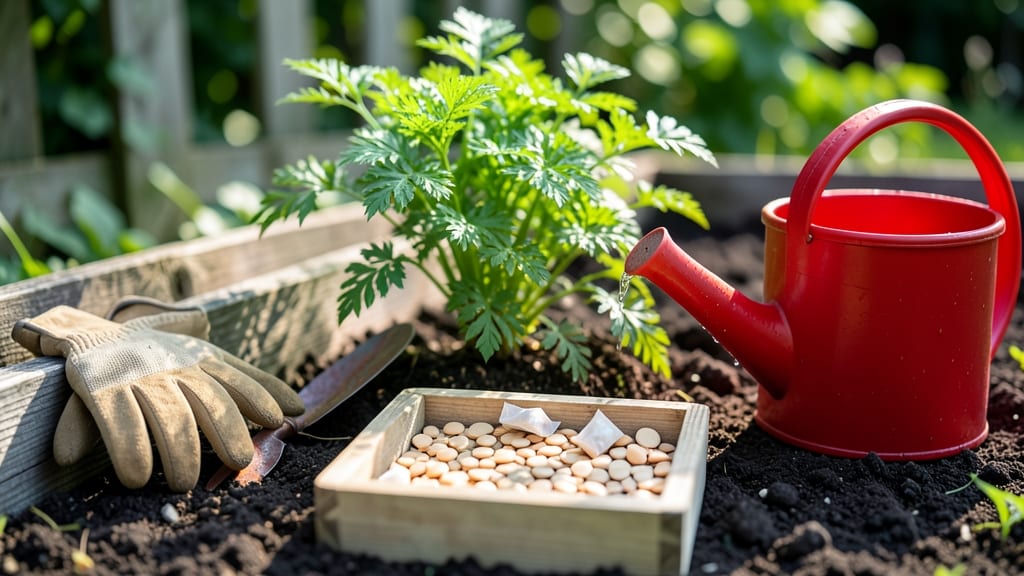
Timing your 🥕 carrot planting in Georgia isn’t just about the calendar—it’s about beating the heat, avoiding bolting, and working with your local microclimate.
Plant too early in the Piedmont’s mild winters, and you’ll risk frost damage; too late in the Coastal Plains, and summer’s sweltering temperatures will turn your crop bitter. The key? Aligning your schedule with Georgia’s 7b-8b zones for crisp, sweet roots every season.
Most gardeners in Georgia focus on two prime windows: early spring (March-April) and late summer (July-August). But here’s the secret—your exact dates depend on whether you’re in Savannah’s humid lowlands, Atlanta’s transitional Piedmont, or the cooler Blue Ridge Mountains.
A 5-degree difference in soil temperature can mean the difference between thriving carrots and a failed harvest.
In this guide, I’ll break down the exact planting dates for each region, plus pro tips to extend your growing season. Whether you’re battling rocky soil in the Piedmont or dealing with late summer pests in the Coastal Plains, you’ll learn how to adjust your timing for foolproof results.
Let’s get those 🥕 carrots growing like a pro!
Ready to skip the guesswork? You’ll also discover common mistakes Georgia gardeners make—and how to avoid them—so your next carrot harvest is the best yet. No more wasted seeds or bitter roots!
Georgia carrot planting calendar by region: Coastal, Piedmont, and mountain Zones
Georgia’s three distinct regions—Coastal Plains, Piedmont, and Mountain—each demand different carrot planting strategies. The Coastal Plains (like Savannah) stay warmer longer, while the Mountains (like Blairsville) experience earlier frosts. Understanding these microclimates ensures your carrots thrive year-round.
For all regions, aim for soil temperatures of 50-60°F before planting. Use a soil thermometer to check—cold soil slows germination. In Georgia, this typically aligns with March-April for spring and July-August for fall crops, but exact dates shift depending on elevation and proximity to the coast.
Coastal Georgia (USDA Zones 8a-8b) has the longest growing season. You can plant carrots as early as mid-February for a spring harvest, with a second round in late July for fall. The warm, humid climate demands shade cloth in peak summer to prevent bolting.
Piedmont (Zones 7b-8a) offers a balanced climate. Start seeds indoors in February and transplant outdoors after the last frost date (mid-March). For fall, sow seeds in early August to harvest before winter sets in. This region’s loamy soil is ideal for carrots, but watch for rocky patches that deform roots.
Mountain regions (Zones 6b-7a) have shorter seasons. Plant in late March for spring and mid-July for fall, using row covers to extend the season. The cooler temps reduce pest pressure but require well-draining soil to prevent rot.
| Region | Spring Planting Window | Fall Planting Window | Key Considerations |
|---|---|---|---|
| Coastal Plains | Mid-February to April | Late July to August | Humidity risks bolting; use shade cloth in summer |
| Piedmont | Late February to March | Early to mid-August | Loamy soil ideal; watch for rocks |
| Mountain | Late March to April | Mid-July to early August | Cooler temps; use row covers for extension |
To maximize your harvest, align planting with moon phases—root crops like carrots thrive with a full moon in earth signs (Taurus, Virgo, Capricorn). This traditional timing boosts root development. Pair this with succession planting every 2 weeks for a continuous supply.
For fall crops, prioritize short-day varieties like ‘Danvers’ or ‘Nantes’ to avoid bolting. In Coastal Georgia, you can even try a winter crop under row covers, harvesting in December or January before the ground freezes.
The key is soil prep: amend with compost to improve drainage and prevent forking.
Monitor local frost dates using the Georgia Climate Project or your county extension office. In most years, the first frost hits mid-November in the Mountains but may not arrive until December in Coastal areas. Plan your fall planting to harvest 4-6 weeks before frost for sweet, crisp roots.
Pro tip: Use black plastic mulch in spring to warm the soil faster and straw mulch in fall to insulate roots. This trick extends your season by 2-3 weeks in both directions, giving you earlier springs and later falls for harvesting.
Remember, carrots are cool-season crops. They’ll bolt (flower prematurely) if exposed to temperatures above 80°F for extended periods. In Georgia’s heat, provide afternoon shade with 30% shade cloth to keep roots sweet and straight.
How to extend your carrot harvest in Georgia: succession planting and seasonal tricks
Georgia’s summer heat and humidity can turn your carrot patch into a bolting disaster if you plant all at once. The key to year-round harvests lies in succession planting and smart seasonal adjustments.
By staggering your plantings and using shade cloth, you can grow crisp carrots even in July and August—when most gardeners give up! Here’s my battle-tested strategy for beating the heat and extending your harvest.
Start by choosing heat-tolerant varieties like 'Danvers Half Long' or 'Nantes', which handle Georgia’s summer better than standard types. These varieties also resist forking (split roots) in loose soil, a common issue when roots hit obstacles.
Pair them with shade cloth (30-50%) to protect seedlings from intense afternoon sun during peak summer months.
⚠️ CRITICAL TIP: Never plant carrots when soil temps exceed 85°F. Use a soil thermometer to check—if it’s hotter, wait until evening to sow seeds or opt for container growing with afternoon shade. Containers also let you move plants to cooler spots during heatwaves.
🌱 Step-by-Step Guide to Extending Your Carrot Season
For coastal Georgia gardeners, focus on fall planting (August-September) when humidity drops. In the Piedmont, you can squeeze in two summer crops by planting in June and again in early August with shade cloth. Meanwhile, mountain regions can enjoy spring and fall harvests with minimal heat stress.
Pro tip: Mix carrots with radishes in succession plantings. Radishes mature in 30 days, giving you quick harvests while carrots develop. The radishes also loosen soil for better carrot growth—it’s a win-win! Just be sure to thin radishes first to avoid competition.
Remember, consistent moisture is non-negotiable during Georgia’s dry spells. Use drip irrigation on a timer to keep soil evenly moist without overwatering. And always harvest regularly—overmature carrots become woody and less sweet. With these tricks, you’ll enjoy homegrown carrots from March through November! 🥕