
Plants
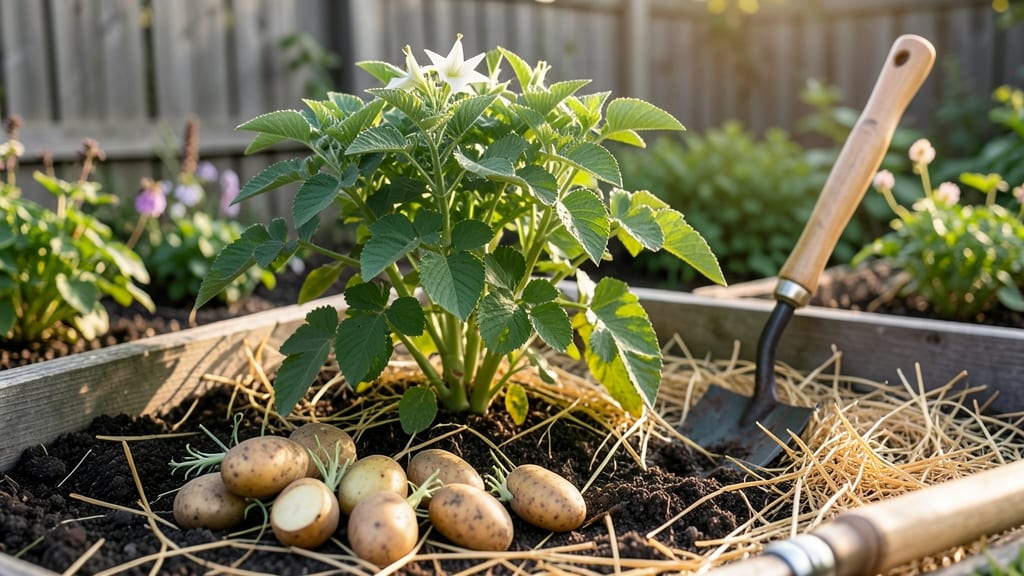
When should you plant potatoes in Pennsylvania isn’t just about checking the calendar—it’s about reading the soil’s secret signals. Plant too early, and frost will turn your hard work into sad, shriveled tubers. Too late, and you’ll miss the sweet spot for a bumper harvest.
Most gardeners in zones 5b-7a (that's most of PA) wait for soil temperatures to hit 45°F–50°F—the magic threshold where sprouts wake up fast and roots take off.
But here's the catch: your last frost date isn't the only clock ticking. Soil warmth is the real game-changer for fast, vigorous growth.
I've learned the hard way that rushing into the garden before the ground warms can leave you with stunted plants or worse—rotten seed potatoes. The key is balancing patience with opportunity, especially when early varieties like Yukon Gold are begging to be planted.
In this guide, I'll walk you through exactly when to plant in Pennsylvania, how to prep your potatoes for speedy sprouting, and which varieties thrive in our unpredictable springs. Let's turn your garden into a potato powerhouse—without any guesswork.
Pennsylvania potato planting dates by soil temperature (not just calendar months)
Pennsylvania's diverse climate—from the cool mountains to the warmer valleys—means planting potatoes based on soil temperature, not just calendar dates, is your best strategy.
Most of the state falls in USDA zones 5b-6b, but even within these zones, microclimates can shift your ideal planting window by 2-3 weeks. The magic number? Plant when soil reaches 45°F–50°F at a depth of 4 inches.
Why soil temperature? Potatoes are cold-sensitive when sprouting. If planted too early in chilly soil, they’ll rot. Too late, and you’ll miss the 90-120 day growing window before frost.
Pennsylvania’s last frost typically arrives between mid-April and early May, but this varies by region—Pittsburgh averages April 15, while Philadelphia leans toward April 20.
Here’s how to translate soil temps to actionable dates for your PA region:
| Region | Soil Temp Threshold | Typical Planting Window | Last Frost Date | Key Tip |
|---|---|---|---|---|
| Northeast PA (Scranton, Wilkes-Barre) | 45°F (late April) | April 15–May 1 | May 5–10 | Use black plastic mulch to warm soil faster. |
| Central PA (Harrisburg, State College) | 47°F (early April) | April 1–15 | April 20–25 | Choose early varieties (e.g., Red Pontiac) for reliability. |
| Southeast PA (Philadelphia, Reading) | 48°F (mid-March) | March 20–April 5 | April 15–20 | Pre-sprout seeds indoors to jumpstart growth. |
| Northwest PA (Erie, Pittsburgh) | 46°F (late April) | April 20–May 5 | May 10–15 | Plant hilled rows to protect tubers from late frost. |
Pro tip: Use a soil thermometer ($10 at garden centers) to check temps at 4-inch depth. If your soil runs cooler than the table suggests, wait—rotting seed potatoes are a common beginner mistake. For extra insurance, cover rows with straw mulch after planting to insulate against temperature swings.
What if you miss the spring window? Pennsylvania’s mild climate allows for a fall planting trick: Try planting Yukon Gold or Red Norland in early September for a late-October harvest.
Just ensure tubers have 60+ days to mature before first frost. This works best in southern PA where frost arrives later.
Remember: Soil temperature > calendar dates. Even if your neighbor plants in March, if their soil is still below 45°F, their potatoes won’t sprout. Grab that thermometer and let the earth tell you when it’s time!
🌱
How to prepare potato seed pieces for fast sprouting in PA’s climate
Preparing your potato seed pieces correctly is the first step to beating Pennsylvania’s unpredictable spring weather. Unlike store-bought potatoes, seed potatoes need time to develop strong sprouts before planting. This head start ensures faster emergence and better yields when soil temperatures finally warm up.
Start by selecting certified disease-free seed potatoes from garden centers. Avoid using grocery store potatoes—they’re often treated to prevent sprouting and may carry diseases. Cut your seed potatoes into 1.5-inch pieces, ensuring each has at least 2-3 eyes (the little dimples where sprouts emerge).
Let the cut pieces cure for 24-48 hours in a cool, dry place before planting. This step prevents rotting by allowing the cut surfaces to form a protective layer. Once cured, you can either plant them directly or pre-sprout indoors for 3-4 weeks to accelerate growth.
Indoor pre-sprouting works best in egg cartons or seed trays. Place the seed pieces in a bright, cool spot (around 55°F–60°F) and keep them slightly moist. Avoid direct sunlight or warmth, which can cause leggy sprouts. When 1-inch sprouts appear, they’re ready for the garden.
If you skip pre-sprouting, plant your cured seed pieces 3-4 inches deep in well-draining soil when temperatures hit 45°F–50°F. Mulch with straw or leaves to retain warmth and moisture, which helps young sprouts push through the soil faster.
Common mistakes like overwatering or planting too deep can delay sprouting. Pennsylvania’s variable weather means soil may warm unevenly—always check with a soil thermometer before planting to avoid stunted growth or frost damage.
For a second crop, try planting red potatoes or fingerlings in late June or early July. These varieties mature quickly and can produce a harvest before the first frost hits in October.
🌱
Step-by-Step: Preparing Potato Seed Pieces
- 🥔 Choose certified seed potatoes (avoid grocery store potatoes).
- ✂️ Cut into 1.5-inch pieces with 2-3 eyes each.
- ⏳ Cure cuts for 24-48 hours in a cool, dry place.
- 🌱 Pre-sprout indoors (optional) for 3-4 weeks in bright, cool conditions.
- 🌡️ Plant when soil reaches 45°F–50°F (use a soil thermometer).
- 🌿 Mulch with straw to retain warmth and moisture.
- 📅 For a second crop, plant fast-maturing varieties in late June.
Pro tip: Label your seed pieces if pre-sprouting indoors to keep track of varieties. This helps you rotate crops and avoid planting the same family in the same spot next year, reducing disease risk in Pennsylvania’s humid summers.
💧