
How To
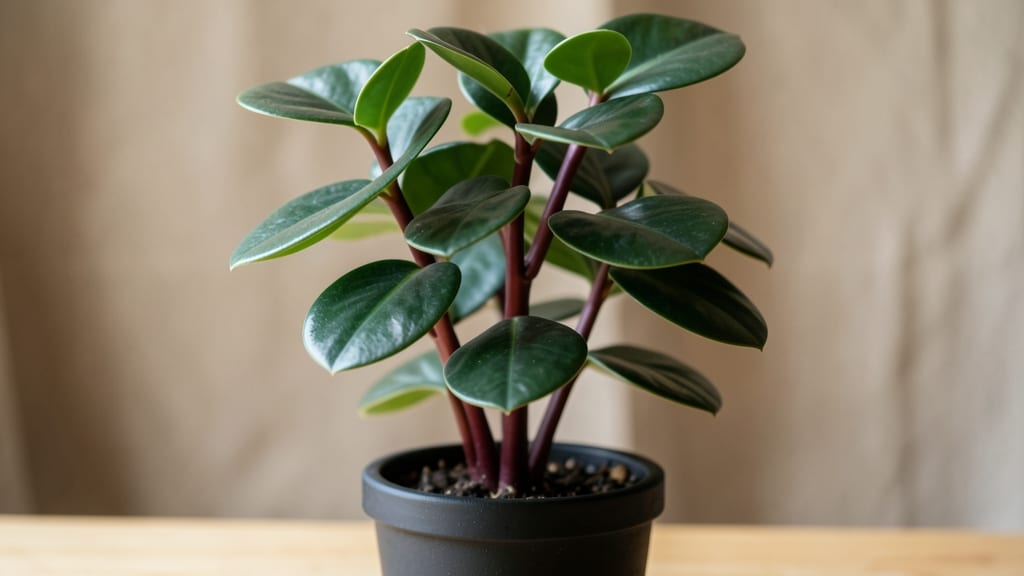
Wondering how tall does ZZ plant grow before it takes over your space? This resilient, pet-friendly 🌿 is one of the easiest plants to grow—but its size depends on how you care for it.
On average, a mature ZZ plant (Zamioculcas zamiifolia) reaches 2 to 3 feet tall, but with the right conditions (like bright, indirect light and a snug pot), you can keep it compact.
That means it fits perfectly on shelves, desks, or even as a small statement plant without dominating your room.
What’s great about ZZ plants is their slow growth—only about 2 to 4 inches per year—so you won’t need to prune often.
Whether you’re a beginner or a seasoned plant parent, this hardy shrub adapts to low light and infrequent watering, making it a low-maintenance choice for any indoor space.
Ready to learn how to control its height and keep it thriving? Let’s dive into the simple tricks that’ll help you manage its growth without sacrificing its lush, glossy leaves.

ZZ plant growth height: realistic expectations for indoor cultivation
The ZZ plant (Zamioculcas zamiifolia) is famous for its slow, steady growth—perfect for busy gardeners. In ideal conditions, it typically reaches 2 to 3 feet tall (24–36 inches) indoors, but some mature specimens can stretch up to 48 inches with exceptional care.
Unlike fast-growing houseplants, this beauty grows just 2–4 inches per year, making it a reliable long-term companion.
If you’re comparing it to other plants, a mature ZZ plant stands taller than a standard desk lamp but shorter than an average person. Its glossy, waxy leaves grow upright in a bushy, architectural form, never climbing or trailing—so it won’t take over your shelves or windowsills.
The key to controlling its height lies in understanding its growth habits and environmental needs.
Here’s what influences how tall your ZZ plant grows:
| Factor | Impact on Height | How to Control |
|---|---|---|
| Light Exposure | More light = taller growth (up to 48 inches); low light = slower, 12–24 inches | Place near north-facing windows or use grow lights to limit height. |
| Pot Size | Root-bound plants grow 20–30% taller; larger pots = slower growth | Repot every 2–3 years into a pot just 1–2 inches larger. |
| Pruning | Regular pruning keeps height under 2 feet; no pruning = natural growth | Trim leaves or stems in early spring to encourage bushier growth. |
| Fertilizer | Over-fertilizing = faster, taller growth; balanced feed = controlled height | Use 5-5-5 fertilizer every 2–3 months in spring/summer. |
| Watering | Overwatering = leggy growth; drought = compact growth | Water only when top 2 inches of soil are dry (every 2–4 weeks). |
For example, my ZZ plant in a 6-inch pot near a north window stayed under 2 feet tall for 3 years, while a friend’s plant in a 12-inch pot with bright light reached 3.5 feet in the same time. The difference? Pot size and light exposure made all the difference.
If you’re worried about your ZZ plant becoming too tall, focus on light control first. Place it in a dimmer corner or use a sheer curtain to filter sunlight.
This slows growth naturally without stressing the plant. Just remember: ZZ plants thrive on neglect, so even minimal adjustments will keep it manageable.
Another pro tip: Rotate your plant every few months to ensure even growth. Uneven light exposure can cause one side to grow taller than the other, creating a lopsided look. A quick spin every 4–6 weeks keeps it symmetrical and compact.
Finally, don’t forget that ZZ plants are non-toxic to pets but can cause mild irritation if ingested. If you have curious cats or dogs, placing it on a high shelf or in a hanging planter can prevent accidental nibbling while keeping its height in check.
The glossy leaves are hard to chew, so most pets leave it alone—but better safe than sorry!
With the right care, your ZZ plant will stay at a manageable height while adding lush greenery to your space for years. Whether you love its architectural appeal or its low-maintenance nature, this plant is a winner for any indoor garden. 🌿
How to control ZZ plant height for small spaces and pet safety
Keeping your ZZ plant at a manageable height is easier than you think, especially when you’re working with limited indoor space. With the right techniques, you can maintain a compact shape while ensuring your plant stays healthy and pet-safe.
The key lies in understanding pruning triggers, pot constraints, and root management—all without stunting its natural growth.
First, remember that ZZ plants grow slowly, adding just 2–4 inches per year under ideal conditions. This slow growth means you won’t need drastic measures to control height, but strategic pruning and repotting can make a noticeable difference.
For example, if your plant reaches 3 feet tall and you’d prefer it shorter, a simple trim can reset its growth pattern while encouraging bushier foliage.
Here’s how to keep your ZZ plant contained without harming its health or pet safety:
⚠️ Pet Safety Warning
ZZ plants are non-toxic to pets but can cause mild irritation if ingested. To keep your furry friends safe, place your plant in a high or inaccessible spot, especially after pruning when stems may be more tempting. Always supervise pets around new growth.
For height control, focus on top-pruning—cutting back the tallest stems just above a leaf node. This encourages lateral growth, creating a fuller, bushier plant that stays closer to the ground.
Use clean, sharp scissors to avoid damaging the stem, and don’t prune more than one-third of the plant at a time to prevent stress.
Another effective method is root-bound management. When your ZZ plant’s roots start circling the pot, it signals it’s time to repot into a slightly larger container. This slows vertical growth while promoting root expansion, which translates to a more compact plant.
Choose a pot that’s only 1–2 inches wider than the current one to avoid encouraging rapid height growth.
If you’re growing a variegated ZZ plant, like the 'Lime ZZ' or 'Raven ZZ,' be mindful that these varieties may grow slightly faster due to their hybrid vigor.
To manage their height, combine pruning with regular fertilization—use a balanced 5-5-5 fertilizer every 2–3 months in spring and summer to support controlled growth rather than rapid spikes.
Finally, rotate your plant every few months to ensure even light exposure. This prevents leggy growth toward light sources and keeps your ZZ plant’s shape balanced. With these simple steps, you’ll enjoy a pet-safe, space-friendly ZZ plant that thrives without dominating your home.