
How To
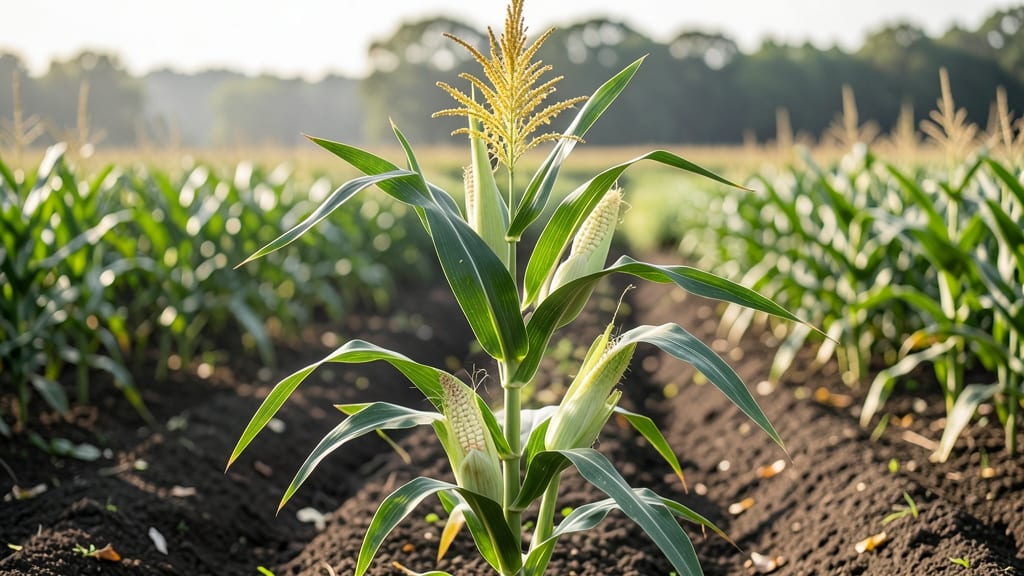
If you've ever planted corn and wondered, "How tall does corn plant grow?" you're not alone—this question pops up for every gardener, from beginners to seasoned pros.
The answer isn’t one-size-fits-all because corn varieties range from dwarf types that stay under 5 feet to towering field corn that can reach 12 feet or more.
Whether you're growing sweet corn for dinner or ornamental varieties for your garden, understanding these differences is key to planning your space and setting realistic expectations.
Most home gardeners grow standard sweet corn varieties like Silver Queen or Country Gentleman, which typically mature between 6 and 10 feet tall. That’s roughly the height of a standard door frame, so imagine a stalk stretching nearly to your ceiling—or higher, depending on the variety.
But here’s the catch: height isn’t just about the type of corn you plant. Factors like sunlight, soil quality, and even how much you water can push your plants toward their full potential or leave them struggling to stand tall.
In this guide, I’ll break down everything you need to know—from the shortest dwarf corn to the tallest field varieties—and share practical tips to help your corn reach its ideal height.
Whether you're working with limited space or dreaming of a cornfield in your backyard, you’ll learn how to optimize growing conditions for the best results. Let’s get started!
Ready to transform your garden into a corn-filled wonderland? By the end of this, you’ll know exactly what to expect—and how to give your corn the best shot at growing tall, strong, and full of flavor. No more guessing games!

Corn plant height by variety: dwarf to towering giants
Corn isn’t one-size-fits-all when it comes to height. Some varieties stay compact enough for small gardens, while others grow tall enough to block sunlight from nearby plants.
The average corn plant reaches 6 to 10 feet, but dwarf varieties can stay as short as 3 feet, and field corn can tower over 12 feet. Choosing the right variety ensures your garden layout works—and your corn thrives!
If you’re growing corn in containers or limited spaces, dwarf and semi-dwarf varieties are your best bet. These stay between 3 and 7 feet tall, making them perfect for urban gardens or raised beds.
For traditional backyard gardens, standard sweet corn varieties like Silver Queen or Country Gentleman will reach their classic 8 to 10 feet. Meanwhile, ornamental corn (like Rainbow Sweet) can grow even taller, adding dramatic height to your landscape.
Here’s a quick breakdown of what to expect from popular corn varieties, so you can plan your garden layout with confidence:
| Variety | Type | Mature Height | Best For |
|---|---|---|---|
| Silver Queen | Sweet Corn | 8–10 ft | Home gardens, fresh eating |
| Country Gentleman | Sweet Corn | 7–9 ft | Small gardens, early harvest |
| Rainbow Sweet | Sweet Corn (ornamental) | 10–12 ft | Landscaping, pollinator gardens |
| Little and Tender | Dwarf Sweet Corn | 3–5 ft | Containers, small spaces |
| Field Corn (e.g., Mo17) | Grain Corn | 10–14 ft | Large farms, wildlife feed |
For small-space gardeners, dwarf varieties like Little and Tender are game-changers. They mature quickly and produce sweet ears without taking up much room. If you’re growing corn for ornamental purposes, varieties like Rainbow Sweet add stunning color and height to your garden, attracting pollinators while providing edible ears.
Pro tip: If you’re planting multiple rows, leave at least 12 inches between plants and 3 feet between rows for standard varieties. For dwarf corn, you can cut spacing to 8–10 inches between plants and 2 feet between rows.
Proper spacing ensures air circulation, reducing the risk of fungal diseases like rust or blight, which can stunt growth.
One common mistake is assuming all corn grows the same height. I once planted Silver Queen next to a field corn variety and ended up with a 10-foot-tall jungle that shaded out my tomatoes!
Always check the variety’s height before planting to avoid surprises. If you’re unsure, opt for semi-dwarf varieties as a safe middle ground.
Height isn’t just about aesthetics—it also affects harvesting ease. Taller corn can be trickier to pick, especially if you’re dealing with 10-foot stalks. Use a sturdy ladder or a harvesting tool to avoid damaging the ears.
For dwarf corn, harvesting is a breeze since you can simply bend down or kneel.
Did you know some ornamental corn varieties grow so tall they can be used as natural trellises for climbing plants like beans or peas? Their sturdy stalks provide excellent support, and the colorful kernels add a decorative touch.
Just be sure to choose a variety that’s disease-resistant if you’re growing it for dual purposes.
🌽
Factors that affect corn plant height (and how to optimize them)
Corn plants don’t grow to their full potential by accident—they need the right conditions to reach those towering heights. The sunlight exposure, soil nutrients, and even your watering habits play huge roles in determining whether your corn will hit 10 feet or stay under 6 feet.
Let’s break down the key factors and how to optimize them for the tallest, healthiest corn possible.
First, sunlight is non-negotiable. Corn thrives in full sun—at least 6-8 hours daily. If your plants aren’t getting enough light, they’ll stretch toward the sun (a condition called etiolation) but won’t grow strong or tall.
I once grew corn in a partially shaded spot, and the stalks were 3 feet shorter than my sun-soaked batch. Place your corn in the sunniest part of your garden, like a south-facing patch.
Next, soil quality—especially nitrogen levels—directly impacts height. Corn is a heavy feeder, and low nitrogen means stunted growth. Before planting, test your soil and amend it with compost or balanced fertilizer (like 10-10-10).
I add a handful of aged manure or a slow-release fertilizer at planting time to give my corn a growth boost. Without this, even the tallest varieties like Country Gentleman might only reach 7 feet instead of 10 feet.
Don’t overlook watering consistency. Corn needs 1-2 inches of water per week, especially during tasseling and ear development. Inconsistent watering can cause stunted growth or even blind stalks (no ears!). I water my corn deeply in the morning to reduce evaporation and fungal risks.
If your soil is sandy or dry, you may need to water more frequently—up to every 2-3 days in extreme heat.
Finally, spacing matters. Crowded corn plants compete for nutrients and sunlight, leading to shorter, weaker stalks. The general rule is 12-18 inches apart in rows spaced 30-36 inches apart. If you’re growing dwarf varieties (like Tom Thumb), you can space them 8-12 inches apart.
Proper spacing ensures each plant has room to grow tall and strong without struggling for resources.
By optimizing these factors—sunlight, soil, water, and spacing—you’ll give your corn the best chance to reach its full height potential. Even in small gardens, with the right care, your corn can grow taller than you are!
Just remember: consistency is key—corn doesn’t like surprises in its care routine.