
Plants
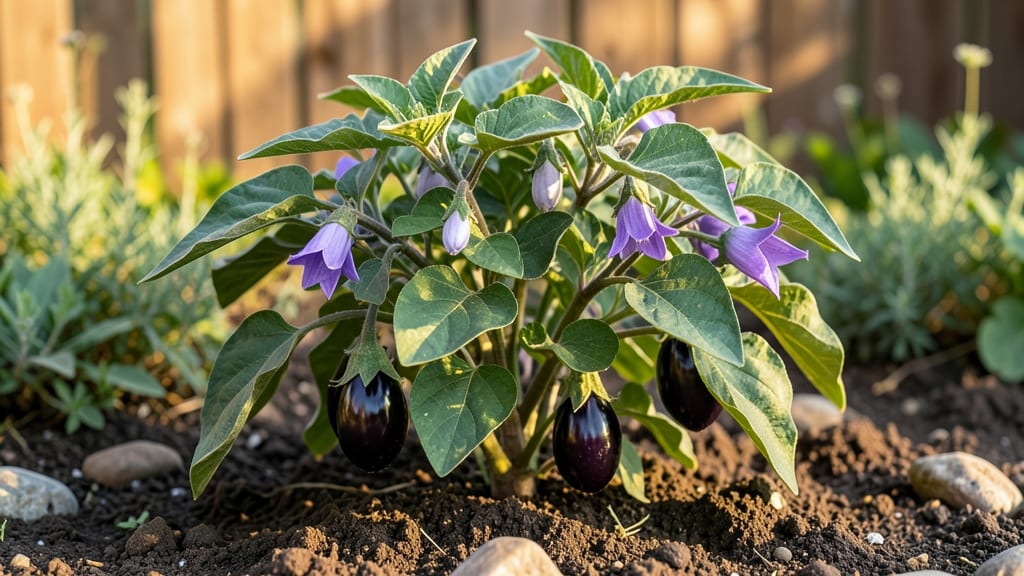
If you're wondering "how tall does an eggplant plant grow", the answer might surprise you—these glossy 🍆 beauties can range from compact 1-foot dwarfs to towering 4-foot giants, depending on the variety you choose.
For beginners in USDA Zone 6a, selecting the right size is key to avoiding crowded gardens and maximizing your harvest.
Standard varieties like 'Black Beauty' typically reach 3-4 feet, while bush types stay shorter at 2-3 feet, making them perfect for small spaces. The height of your eggplant isn’t just about aesthetics—it directly impacts how much fruit you’ll yield and how you’ll need to manage your garden layout.
Sunlight, pruning, and even your planting window (April-May after last frost) play a role in how tall your eggplant grows. With the right care, even tall varieties can thrive in containers or trellises, saving space without sacrificing productivity.
Whether you're a space-challenged urban gardener or a backyard enthusiast, I’ll break down the best varieties for your setup and share space-saving tricks to keep your 🍆 plants happy and productive. Let’s get growing!

Eggplant plant height by variety: from dwarf to giant types
If you're planning your garden layout, knowing how tall eggplant plants grow is essential for spacing and support. Most varieties fall between 2 to 4 feet tall, but some dwarf types stay under 2 feet, while heirloom varieties can reach 5 feet or more.
The right choice depends on your space, sunlight, and even your pruning habits.
Eggplants are indeterminate growers, meaning they keep producing new leaves and branches until frost. This growth habit explains why some varieties sprawl while others grow upright.
For example, 'Black Beauty', a classic variety, typically grows 3 to 4 feet tall and benefits from staking to keep it compact and productive.
Dwarf varieties like 'Fairy Tale' or 'Patio Baby' are perfect for container gardening or small spaces. These stay under 2 feet tall and produce small, sweet eggplants ideal for snacking.
On the other end, heirloom varieties like 'Rosa Bianca' or 'Ichiban' can grow 4 to 5 feet tall, requiring more space and support.
Here’s how to choose the right variety for your garden:
| Variety | Height Range | Spacing Needs | Best For |
|---|---|---|---|
| Fairy Tale | 1–2 ft | 12–18 inches apart | Containers, small gardens |
| Black Beauty | 3–4 ft | 18–24 inches apart | Standard gardens, staking |
| Rosa Bianca | 4–5 ft | 24–30 inches apart | Large gardens, trellising |
| Ichiban | 3–4 ft | 18–24 inches apart | High-yield, staking |
| Patio Baby | 1–2 ft | 12–18 inches apart | Containers, balconies |
| Little Penguin | 1–1.5 ft | 12 inches apart | Dwarf varieties, small spaces |
When selecting a variety, consider your garden layout and sunlight exposure. Taller varieties need more spacing to prevent overcrowding, which can lead to poor airflow and disease risks.
For example, 'Rosa Bianca' needs 24–30 inches of space between plants to thrive, while 'Fairy Tale' can be planted just 12 inches apart in containers.
Another factor influencing height is pruning. Regularly pinching back the tips of young plants encourages bushier growth and can reduce height by 1–2 feet. This technique is especially useful for tall varieties like 'Ichiban', where controlling height improves fruit production and ease of harvesting.
Sunlight also plays a role in height. Eggplants need 6–8 hours of full sun daily to grow to their full potential. In shadier conditions, plants may become leggy and tall as they stretch toward light, reducing yield.
If your garden lacks full sun, opt for dwarf varieties or use reflective surfaces to maximize light exposure.
For container gardening, choose compact varieties like 'Fairy Tale' or 'Little Penguin'. These thrive in 5-gallon pots with proper drainage and support. Larger containers (at least 10 gallons) are needed for taller varieties like 'Black Beauty' to accommodate their deeper root systems.
Pro tip: If you love large eggplants but have limited space, try vertical gardening. Use trellises or cages to train tall varieties upward, saving ground space while keeping plants productive and healthy.
Eggplant plant height by variety: from dwarf to giant types
Eggplant plants come in a surprising range of heights, from compact bush varieties that stay under 2 feet to towering giants reaching over 4 feet. The right variety for your garden depends on available space, sunlight exposure, and your preferred harvesting style.
I’ve grown everything from dwarf eggplants in containers to standard varieties in raised beds, and the differences in height can dramatically impact your yield and ease of care.
For beginners, bush-type eggplants like ‘Fairy Tale’ or ‘Patio Baby’ are ideal—they top out at just 1-2 feet tall and produce abundant fruit without taking up much room. These varieties thrive in small gardens or even large pots, making them perfect for balconies or urban spaces.
On the other end of the spectrum, standard varieties like ‘Black Beauty’ or ‘Ichiban’ can grow 3-4 feet tall, requiring more space and support to prevent sprawling.
| Variety | Height Range | Spacing Needs | Best For |
|---|---|---|---|
| Fairy Tale | 1-2 ft | 12-18 inches apart | Containers, small gardens |
| Patio Baby | 1.5-2 ft | 12-18 inches apart | Balconies, urban gardens |
| Black Beauty | 3-4 ft | 24-36 inches apart | In-ground gardens, raised beds |
| Ichiban | 3-4 ft | 24-36 inches apart | High-yield gardens |
| Rosa Bianca | 2-3 ft | 18-24 inches apart | Medium spaces, trellising |
| Little Fingers | 1-2 ft | 12-18 inches apart | Containers, early harvests |
When selecting a variety, consider your garden’s sunlight exposure and available space. Tall varieties like ‘Black Beauty’ need full sun (6-8 hours daily) and plenty of room to sprawl, while dwarf types can tolerate partial shade and thrive in smaller containers.
I’ve found that standard varieties often produce larger fruit but require more maintenance to keep them upright and healthy.
Another factor influencing height is pruning habits. Regularly pinching back the tips of tall varieties can encourage bushier growth and prevent them from becoming top-heavy. I prune my ‘Ichiban’ plants weekly to maintain a compact shape while still maximizing fruit production.
Without pruning, these plants can grow uncontrolled vines, leading to weaker stems and lower yields.
For container gardening, stick to dwarf varieties like ‘Fairy Tale’ or ‘Little Fingers’. These plants stay manageable in 5-gallon pots and don’t require staking. If you’re growing in the ground, leave 18-36 inches of space between plants to ensure proper airflow and reduce disease risk.
Proper spacing also makes harvesting easier—no more bending over or reaching awkwardly for your eggplants!
Remember, soil quality plays a role too. Well-draining, nutrient-rich soil helps eggplants reach their full potential height while staying healthy. Amend your soil with compost before planting, and consider adding a balanced fertilizer like 10-10-10 to support vigorous growth throughout the season.
With the right variety and care, you’ll have a thriving eggplant patch that fits perfectly in your garden—no matter how much (or little) space you have!