How To
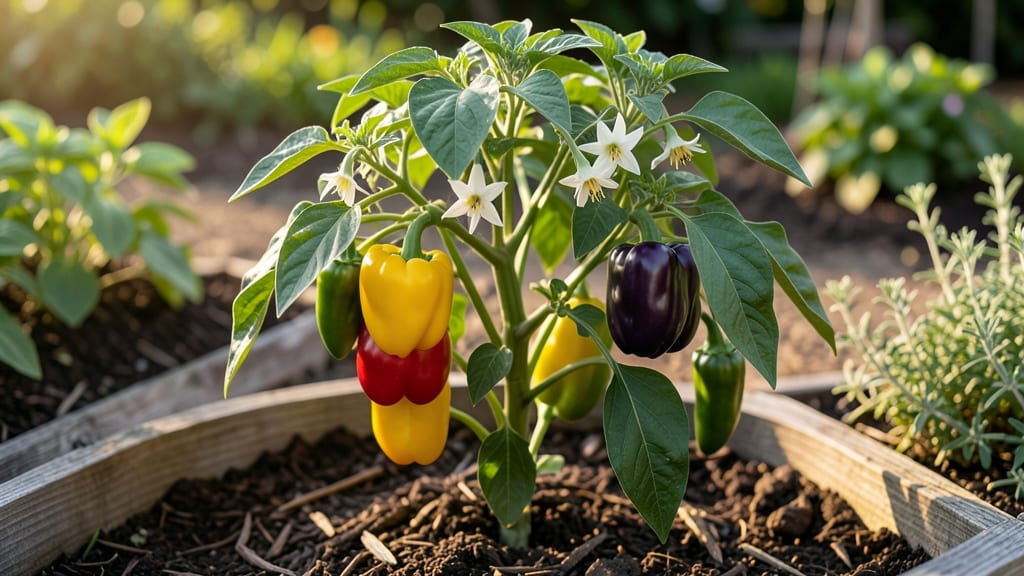
If you've ever wondered how tall your 🌶️ bell pepper plants will grow, the answer depends more on the variety than you might think.
Some stay compact at just 1-2 feet, while others reach towering heights of 3-4 feet—and knowing the difference can save you space (or heartache) in your garden.
Standard varieties like California Wonder typically stretch toward the 3-foot mark, while dwarf types stay under 2 feet. But here’s the catch: how you support them—whether with cages, stakes, or trellises—can dramatically alter their growth habits.
Without proper support, even compact varieties may sprawl, reducing yields and making harvests harder to reach.
In this guide, I’ll break down the exact height ranges for popular bell pepper types and share practical tips for managing growth. Whether you’re working with limited space or aiming for a lush, productive garden, understanding these details is the key to a thriving harvest.
Ready to optimize your planting layout? Let’s dive into the heights, spacing, and support strategies that make all the difference for your bell pepper plants.

Bell pepper plant height by variety: exact growth ranges and space requirements
Bell pepper plants come in a surprising range of heights, from compact dwarf varieties that stay under 2 feet tall to sprawling standard types reaching 4 feet or more. Understanding these differences helps you plan your garden layout, choose the right support, and maximize your harvest.
For example, my California Wonder plants last year topped 36 inches, while my Banana Pepper bushes remained under 24 inches—a difference that impacted how I spaced them!
Most home gardeners work with standard bell pepper varieties that mature between 24–36 inches tall, but some specialty types can grow even taller. The key is matching your variety to your garden space and support system.
I’ve found that taller varieties often produce more fruit but require staking, while shorter types thrive in containers or tight spaces with minimal care.
Here’s how to visualize the differences—this summary table breaks down popular bell pepper varieties by their mature height, spacing needs, and ideal growing conditions. Use it to pick the perfect plants for your garden layout!
| Variety | Mature Height | Spacing (inches) | Notes |
|---|---|---|---|
| California Wonder | 30–36" | 18–24" | Standard height; needs staking |
| Jalapeño | 24–30" | 12–18" | Compact but bushy; prune for airflow |
| Banana Pepper | 18–24" | 12–16" | Dwarf variety; great for containers |
| Carolina Wonder | 36–48" | 24–30" | Tallest standard; needs strong support |
| Mini Bell (Snack Pepper) | 12–18" | 8–12" | Perfect for small spaces or pots |
When planning your garden, remember that spacing requirements often match the mature height of the plant. For example, my 3-foot-tall California Wonder plants needed 18 inches between rows to prevent overcrowding and improve airflow.
Overcrowding leads to poor fruit development and higher disease risk, so always check the variety’s spacing needs before planting.
For container gardening, choose dwarf varieties like Banana Peppers or Mini Bells, which thrive in 5-gallon pots with proper drainage. These compact plants stay under 2 feet tall and produce abundant peppers without needing support.
I’ve had great success with Banana Peppers in hanging baskets, where their trailing growth habit adds visual interest!
If you’re growing taller varieties like Carolina Wonder, plan for support structures from the start. These plants can reach 4 feet tall and benefit from cages or trellises to prevent sprawling.
Without support, the stems can break under fruit weight, leading to lost harvests. I always install 5-foot-tall tomato cages for my tallest varieties—they’re sturdy, reusable, and save space.
Another factor to consider is sunlight exposure. Taller plants may shade shorter varieties if not spaced properly, which can reduce yields. In my garden, I place taller peppers on the north side of shorter plants to avoid blocking their 6–8 hours of daily sun.
This simple trick ensures all plants get the light they need for optimal growth.
Pro tip: Check your seed packets or plant tags for mature height estimates—these are your best guide for spacing. If you’re unsure, err on the side of more space, as crowded peppers produce smaller, lower-quality fruit.
For example, my Jalapeños needed 12 inches apart to avoid competition, even though they’re only 2 feet tall.
Finally, remember that pruning habits can influence height. Regularly pinching back side shoots encourages a bushier, more compact growth habit, while leaving them can result in taller, leggier plants.
I prune my California Wonder plants weekly to keep them manageable and improve airflow—this simple habit has doubled my yield over the years!
Bell pepper plant height by variety: exact growth ranges and space requirements
Bell pepper plants come in a surprising range of heights, from compact dwarf varieties that stay under 2 feet to towering standard types reaching 4 feet or more. Understanding these differences helps you plan your garden layout and choose the right support structures.
Most home gardeners grow standard varieties like California Wonder, which typically reach 36–48 inches at maturity, while dwarf varieties like Pepperoncini max out around 18–24 inches.
The height of your bell pepper plants directly impacts spacing requirements, sunlight exposure, and even fruit production. For example, tall varieties need 18–24 inches between plants to prevent overcrowding, while dwarf types can thrive with just 12–16 inches of space.
Choosing the right variety for your garden’s layout can save you from pruning struggles or yield losses later in the season.
🌶️ Bell Pepper Varieties by Height & Spacing Needs
| Variety | Mature Height | Spacing (inches) | Best For |
|---|---|---|---|
| California Wonder | 36–48" | 18–24" | Standard gardens, containers |
| Jalapeño | 24–36" | 16–20" | Hot peppers, small spaces |
| Banana Pepper | 18–24" | 12–16" | Dwarf gardens, containers |
| Pepperoncini | 12–18" | 10–12" | Window boxes, small plots |
| Fish Pepper | 30–40" | 18–22" | Trellises, vertical gardens |
If you’re growing bell peppers in containers, opt for dwarf or semi-dwarf varieties like Banana Peppers or Pepperoncini, as they thrive in 5-gallon pots with minimal support.
For in-ground planting, tall varieties like California Wonder or Fish Pepper benefit from cages or trellises to prevent sprawling and improve air circulation, which reduces disease risk.
Proper spacing isn’t just about height—it’s also about light exposure. Tall plants cast shadows, so avoid planting shade-tolerant herbs like basil directly beneath them. Instead, interplant with low-growing companions like lettuce or radishes, which mature quickly and won’t compete for sunlight once the peppers reach their full height.
One common mistake gardeners make is assuming all bell peppers grow the same height. Hot pepper varieties like Jalapeños often stay shorter than their sweet counterparts, while heirloom or hybrid varieties can surprise you with unexpected growth habits.
Always check seed packets or plant tags for mature height estimates before purchasing, especially if you’re working with limited space.
For container gardeners, remember that root restriction can stunt growth, so choose varieties labeled as compact or bush-type. Even then, expect your plants to reach 80–90% of their full height in pots, meaning a 24-inch variety might only hit 20 inches in a 5-gallon container.
Always err on the side of a slightly larger pot to accommodate root growth.