
Plants
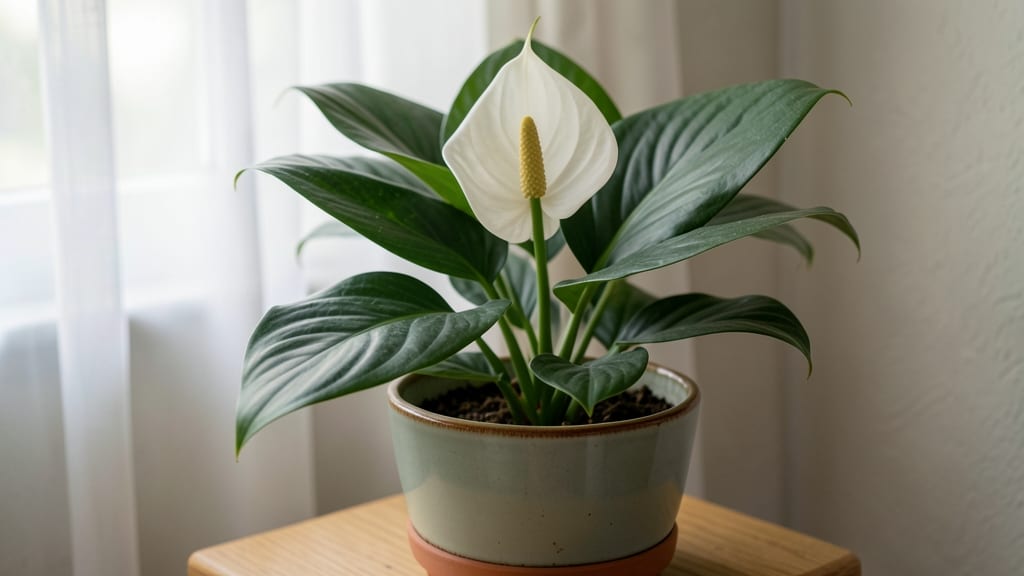
If you're wondering how much light does a peace lily plant need, you might be overcomplicating its care. The truth is, this resilient plant thrives in conditions most houseplants would avoid—think dim corners and north-facing windows where direct sun never reaches.
What makes Peace Lilies so special is their ability to adapt to low-light environments while still blooming beautifully. Unlike sun-loving plants, they actually prefer the kind of gentle illumination found in offices, bathrooms, or even under fluorescent lights.
This flexibility makes them perfect for beginners or spaces where natural light is limited.
But here's the catch: too much direct sunlight can scorch those lush leaves, while insufficient light leads to drooping or sparse blooms.
I'll show you exactly how to strike the perfect balance—whether you're dealing with a bright living room or a shadowy hallway—so your Peace Lily stays lush and vibrant all year.
Ready to transform your plant-care game? Let's dive into the ideal lighting setup that'll have your Peace Lily thriving in no time, with simple adjustments you can make today.
 Best Window Placement
Peace lily light requirements: ideal brightness levels for healthy growth
Peace lilies (Spathiphyllum) are famous for thriving where other plants struggle—thanks to their low-light tolerance. Unlike sun-loving succulents, these beauties prefer bright indirect light or even moderate shade, making them perfect for offices, bathrooms, or dim corners.
Imagine placing your peace lily 2-3 feet from a north-facing window—this mimics their natural understory habitat.
The key is avoiding direct sunlight, which can scorch leaves and cause brown tips. Instead, aim for 2-4 hours of filtered light daily, like the dappled shade under tall trees.
If your home lacks natural light, don’t worry—peace lilies adapt well to artificial grow lights (more on that later!).
Here’s how to spot light-related stress in your peace lily:
- Too little light: Leaves turn dark green, grow sparse, and droop.
- Too much light: Tips develop crispy brown edges, and leaves may yellow.
- Perfect light: Glossy, medium-green leaves with occasional white blooms.
Pro tip: Rotate your plant quarter-turns weekly to ensure even light exposure. This prevents lopsided growth and keeps foliage lush. Even a fluorescent bulb 6–12 inches away can supplement weak natural light during winter months.
| Light Condition | Signs of Plant Health | Care Adjustments |
|---|---|---|
| Low Light (<2 hrs/day) | Dark green leaves, sparse growth, drooping | Move closer to a window or use grow lights |
| Ideal Bright Indirect (2-4 hrs/day) | Glossy medium-green leaves, occasional blooms | Continue current care; rotate plant weekly |
| Too Much Direct Sun (>4 hrs/day) | Brown leaf tips, yellowing, crispy edges | Move to filtered light or sheer curtain |
Seasonal changes affect light intensity—winter sunlight is weaker, so your peace lily may need a grow light or relocation to a sunnier spot. Conversely, summer’s harsh rays can damage leaves, so a sheer curtain near a south-facing window acts as a natural filter.
Think of it like sunglasses for your plant!
Fun fact: Peace lilies purify the air by removing toxins like formaldehyde and benzene, making them a top NASA-approved houseplant. Their light flexibility means you can place them almost anywhere—bathrooms, closets, or even under desk lamps.
Just avoid drafty spots near AC vents or heaters, which stress the plant further.
For blooms, peace lilies need slightly brighter conditions (but still indirect). If your plant stops flowering, it might be starved for light. Try moving it to a west-facing window for afternoon glow or add a 12-hour grow light cycle.
Patience pays off—healthy foliage often precedes those stunning white spathe blooms!
Remember: Consistency is key. Sudden light changes (like moving from a dim office to a sunny porch) can shock your peace lily. Transition gradually over 1-2 weeks to let it adjust. Your plant will thank you with vibrant growth and fewer stress signals.
Ready to troubleshoot? Next, we’ll dive into adjusting your home’s lighting—from window tricks to grow light setups—so your peace lily thrives year-round. 🌿
How to adjust your home’s lighting for a thriving peace lily
If your peace lily looks a little sad, the issue might be its light exposure. Unlike sun-loving plants, peace lilies thrive in low to medium indirect light.
The key is finding the perfect balance—too little light causes drooping, while too much can scorch those beautiful dark green leaves. Let’s fix that!
Start by placing your peace lily near a north-facing window, where it gets gentle morning light without harsh afternoon rays. If your home lacks natural light, don’t worry—grow lights can save the day. A simple LED bulb with a cool white spectrum works wonders, mimicking natural sunlight.
Here’s how to optimize your peace lily’s lighting setup for maximum growth and blooms:
- 🌿 North or East Windows: Best spots for bright indirect light. Avoid south or west-facing windows—direct sun burns leaves.
- 💡 Grow Lights: Use a 12-hour daily cycle with a 6,000K LED bulb if natural light is scarce. Keep it 6-12 inches away from the plant.
- 🪴 Rotate the Pot: Turn your peace lily quarter-turns every few weeks to ensure even light exposure and prevent lopsided growth.
- 🌡️ Watch for Signs: Yellow leaves = too much light; drooping = not enough. Adjust placement accordingly.
- 🌧️ Avoid Drafts: Keep your peace lily away from heating vents or AC units, which dry out the air and stress the plant.
Pro tip: If your peace lily’s leaves start developing brown tips, it’s often a sign of low humidity combined with too much light. Increase humidity with a pebble tray or misting—your plant will thank you with glossy, vibrant foliage!
Remember, peace lilies are forgiving. Even if you’ve overwatered or misplaced them before, they bounce back quickly when given the right light conditions. Start with these adjustments, and you’ll see those white blooms returning in no time!
For extra peace of mind, group your peace lily with other low-light plants like pothos or snake plants. They’ll all thrive together in your cozy, well-lit corner. Happy gardening! 🌱