
Plants
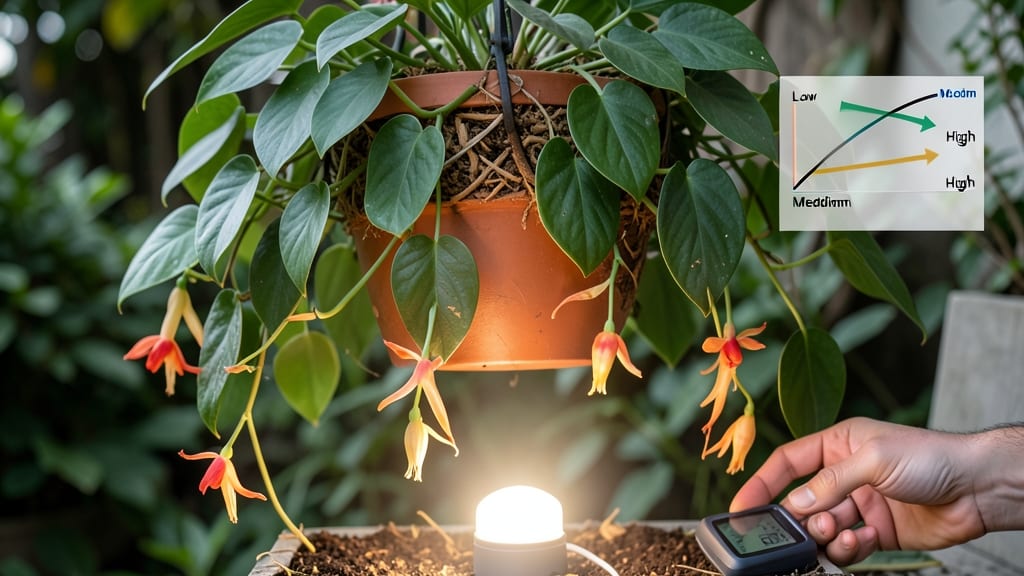
If you’re wondering how much light does a goldfish plant need, you’re not alone—light is the most critical factor for keeping this beauty thriving. Too little, and it grows leggy; too much, and those stunning leaves lose their vibrancy.
The sweet spot? Bright, indirect light that mimics its natural habitat in the USDA Zone 6 understory.
Picture this: your Goldfish Plant basking near an east-facing window for 6-8 hours of gentle sunlight, its leaves plump and colorful. But what if your space only offers dim corners or harsh midday rays?
Don’t worry—I’ll show you how to tweak lighting for lush growth, whether you’re dealing with a shadowy bathroom or a blazing south-facing shelf.
You’ll learn to spot the telltale signs of light stress—think pale, sparse leaves or crispy edges—and how to fix them fast. Plus, I’ll share pro tips for balancing light exposure so your plant stays vibrant year-round, even when seasons shift.
Let’s get your Goldfish Plant glowing like it’s springtime in Zone 6.
Ready to transform leggy stems into a cascading waterfall of color? By the end, you’ll know exactly how much light your Goldfish Plant craves—and how to give it just the right amount, no guesswork required.
 Best Window Placement
Goldfish plant light requirements: bright indirect sunlight explained
Your Goldfish Plant (Columnea gloriosa) thrives on bright indirect sunlight, making it perfect for east-facing windows or filtered light spots. Too little light causes leggy growth and pale leaves, while too much direct sun can scorch those stunning goldfish-shaped leaves.
Let’s break down exactly what your plant needs to stay vibrant.
The ideal setup provides 6-8 hours of bright indirect light daily, similar to morning sun or dappled shade outdoors. Think of it like a sunbathing spot where your plant gets plenty of light without harsh rays.
For example, a north-facing window or a few feet back from an east-facing window works perfectly.
Signs of insufficient light include elongated stems, small leaves, and a lack of those signature goldfish-shaped foliage. If you notice these, it’s time to move your plant closer to a brighter spot or supplement with a grow light. On the flip side, direct afternoon sun can cause brown patches or crispy edges on leaves.
🌱 Pro Tip: Rotate your plant every few weeks to ensure even growth, especially if it’s leaning toward the light source.
| Light Condition | Description | Plant Response |
|---|---|---|
| Bright Indirect Light | 6-8 hours daily (e.g., east-facing window, filtered sunlight) | Healthy growth, vibrant goldfish-shaped leaves, frequent blooms |
| Low Light | <3 hours of indirect light (e.g., deep corners, north-facing windows far back) | Leggy stems, small leaves, pale color, fewer flowers |
| Direct Sunlight | Afternoon sun or harsh midday rays (e.g., south-facing window without filter) | Brown leaf tips, crispy edges, sunburn spots, wilting |
| Artificial Grow Light | 12-14 hours daily (e.g., LED grow bulb, 6-12 inches away) | Balanced growth, prevents stretching, ideal for winter months |
If your Goldfish Plant is in a low-light environment, consider placing it near a west-facing window with sheer curtains or using a grow light for 12-14 hours daily. Avoid placing it in a dark corner—this plant needs light to maintain its striking foliage and encourage blooming.
For example, I once had a Goldfish Plant in my dim office and noticed its leaves turning dull and sparse until I moved it to a brighter spot near my kitchen window.
💡 Light Test: Hold your hand near the plant. If you can’t see your shadow clearly, it’s likely too dim. If leaves feel warm to the touch, it’s getting too much direct sun.
Seasonal changes also affect light exposure. In winter months, days are shorter, so supplement with a grow light or rotate your plant to different windows to ensure even exposure.
Conversely, during summer, watch for afternoon sun that can intensify and harm your plant. A sheer curtain can diffuse harsh rays while still allowing plenty of light.
For outdoor growing, Goldfish Plants can thrive in partial shade gardens, especially in USDA Zone 6 or warmer. Choose a spot with morning sun and afternoon shade to mimic their ideal indoor conditions.
If you’re growing yours outdoors, bring it inside before temperatures drop below 50°F (10°C) to protect it from cold damage.
🌿 Final Tip: Observe your plant’s response to its current light conditions. Adjust gradually—moving it too quickly from low to high light can cause shock. Over time, you’ll find the perfect balance for your Goldfish Plant’s lush, vibrant growth.
How to adjust light for Goldfish Plants in different environments
Goldfish Plants thrive in bright indirect light, but your home’s lighting can vary wildly from one room to another. If your plant looks stretched or pale, it’s likely craving more light.
Conversely, brown patches or crispy leaves mean it’s getting too much harsh sun. Let’s fix that with practical adjustments for any space.
Start by identifying your current light conditions. Hold your hand near the plant—if you can’t see your shadow clearly or the light feels dim and diffused, you’re in a low-light zone.
For high-intensity light, try the paper test: place a sheet of white paper near the plant. If it’s too bright to read after 30 minutes, reduce direct exposure.
Here’s how to optimize light for your Goldfish Plant’s needs in any environment:
- 1. Low-Light Rooms: Rotate the plant quarter-turn weekly for even growth. Use a south-facing window or grow lights (12-14 hours/day) if natural light is scarce.
- 2. South-Facing Windows: Move the plant 3-4 feet back from the window or use sheer curtains to filter intense afternoon sun.
- 3. Grow Lights: Use a full-spectrum LED bulb 6-12 inches above the plant. Keep it on for 10-12 hours daily to mimic natural light cycles.
- 4. Seasonal Changes: In winter, supplement with grow lights. In summer, avoid placing near west-facing windows to prevent leaf scorch.
- 5. Rotating Plants: Turn the pot every 2-3 days so all sides get equal light, preventing lopsided growth.
For grow lights, invest in a cool-white or daylight LED (5000-6500K color temperature). Position it just above the plant’s top leaves—this mimics the bright indirect light it craves. If you notice yellowing leaves, the light may be too intense; move it 6-12 inches higher.
In low-light conditions, focus on leaf color as your guide. Healthy Goldfish Plants have vibrant green leaves with red or orange accents. If the colors fade to dull green, it’s time to increase light exposure or supplement with artificial light.
Remember, gradual changes are key—avoid moving your plant from dim corners to direct sun overnight, or you’ll risk sunburn.
Pro tip: Place your Goldfish Plant near a bathroom window or kitchen counter—these spots often get soft, diffused light that’s perfect for this tropical beauty. With the right adjustments, your plant will reward you with lush foliage and stunning flowers all year round. 🌿