
Plants
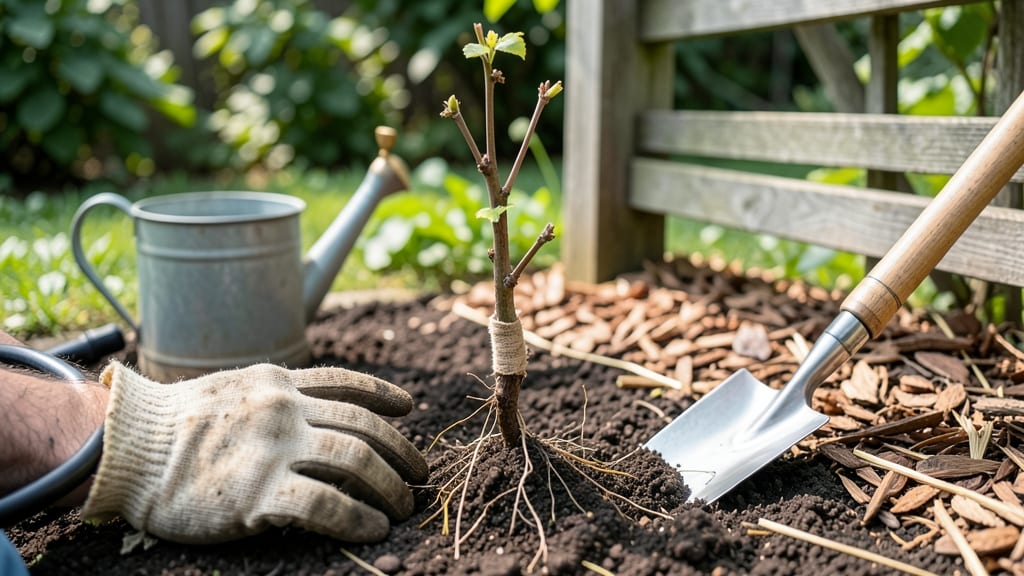
Planting grapes in Arizona isn’t just about grabbing a vine and sticking it in the ground—it’s about mastering the desert’s unpredictable rhythms where a single misstep can mean the difference between a thriving 🍇 harvest and a sad, wilted vine.
The perfect timing depends on where you live in the state: Phoenix’s brutal summers demand early spring or fall planting, while cooler Flagstaff areas can stretch that window just a little longer.
But here’s the catch—even the best timing won’t save you if your soil isn’t prepped right or your variety isn’t suited to your microclimate.
I’ve grown grapes in Arizona’s high desert, and let me tell you: the key isn’t just knowing when to plant—it’s understanding why those windows matter.
From avoiding frost surprises to beating the heat, I’ll walk you through the exact steps to give your vines the best shot at success, no matter which part of the state you’re in.
Ready to turn your grape dreams into a reliable harvest? Let’s dive into the desert-specific secrets that’ll have your vines reaching for the trellis like pros.
Optimal planting windows for Arizona grapes by region (and why timing matters)
Arizona’s diverse climate—from the Low Desert’s 110°F+ summers to the High Desert’s 30°F winters—means one planting window doesn’t fit all. Your success hinges on matching your grapes’ variety to your USDA zone and microclimate.
For example, Thompson Seedless thrives in cooler Flagstaff (Zone 6a), while Crimson Seedless handles Phoenix’s heat (Zone 9b). Let’s break down the ideal planting months for each region and why timing is everything.
In Arizona’s Low Desert (Phoenix, Tucson), plant bare-root vines in late February to early March to avoid spring heatwaves that stress young roots. Fall planting (September) is also viable if you use shade cloth to protect vines from intense afternoon sun.
Meanwhile, High Desert areas (Prescott, Sedona) can plant as late as April due to cooler soils, while White Mountains (Zone 7a) allow May planting to escape late frosts. The key? Soil temperature—aim for 60–70°F at planting time.
Here’s the visual breakdown of planting windows by region, including frost risks, soil prep, and variety recommendations to ensure your vines thrive:
| Region | USDA Zone | Best Planting Window | Soil Temp Goal | Frost Risk | Top Varieties |
|---|---|---|---|---|---|
| Low Desert (Phoenix, Tucson) | 9b–10a | Late Feb–Early Mar or Sep | 60–70°F | Low (Dec 15) | Crimson Seedless, Red Globe |
| High Desert (Prescott, Sedona) | 6b–7a | Late Mar–Early Apr | 55–65°F | Moderate (Nov 15) | Thompson Seedless, Flame Seedless |
| White Mountains (Show Low) | 7a–7b | Late Apr–Early May | 50–60°F | High (Nov 1–Dec 15) | Concord, Niagara |
| Colorado Plateau (Flagstaff) | 6a–6b | Late Apr–Early May | 50–60°F | Very High (Oct 15–May 15) | Catawba, Marechal Foch |
⚠️ Pro Tip: Test soil 2 weeks before planting—Arizona soils often need amendments like compost or gypsum to improve drainage.
Why does timing matter so much? Spring planting gives vines 6–8 weeks to establish roots before summer’s brutal heat, while fall planting avoids dormancy stress and lets roots grow in cooler temps.
In Phoenix, planting in September risks heat stress unless you use shade cloth or drip irrigation. Meanwhile, Flagstaff’s late frosts demand May planting to prevent winter damage.
Another critical factor? Urban vs. rural heat islands. A Phoenix backyard can be 10°F hot
5 Critical signs your Arizona grape planting timing is wrong (and how to fix it)
Arizona’s grapes 🍇 thrive when planted at the right time, but even experienced gardeners can misjudge the window. If your vines show these 5 warning signs, your planting timing might be off—and here’s how to course-correct before it’s too late.
First, wilting leaves despite consistent watering is a red flag. In Arizona’s heat, this often means you planted too early, when soil temps are still too cold for root establishment. Grapes need soil temps above 60°F to thrive, so check with a soil thermometer before planting.
Next, slow root growth or yellowing foliage signals stress. This happens when vines are planted in late spring, when summer’s intensity arrives too soon. For Phoenix (Zone 9b), aim for September-October planting to avoid this pitfall.
⚠️ Desert-Specific Warning Signs
- Leaf scorch: Brown edges = planted too late in scorching summer heat (May-July).
- Stunted growth: Roots struggle in salty or compacted soil—test pH (ideal: 6.0-6.5).
- Fungal spots: Overwatering in humid monsoon season (July-August) weakens vines.
💡 Fix: Adjust irrigation, mulch heavily, and prune affected leaves immediately.
If your grapes fail to flower by spring, you likely planted bare-root vines too late in the fall. Arizona’s short winter chill hours (especially in low deserts) can disrupt dormancy. For high-desert areas (Flagstaff, Zone 6a), plant earlier (August-September) to ensure proper dormancy.
Another clue? Grapes ripening unevenly or falling off prematurely. This often means your vines are water-stressed due to poor timing—either planted in peak summer or not given enough root-establishment time before Arizona’s heat ramps up.
To avoid these issues, test your soil’s drainage (grapes hate soggy roots) and mulch with 3-4 inches of straw to retain moisture. For heat-tolerant varieties like Crimson Seedless, you can push planting to late August, but monitor closely for stress signs.
Remember: Arizona’s microclimates mean timing varies wildly. Urban Phoenix (hotter) may need earlier fall planting, while rural high desert (cooler) can handle late summer starts. Adjust based on your last frost date and soil temp trends—not just the calendar! 🌡️