
Plants
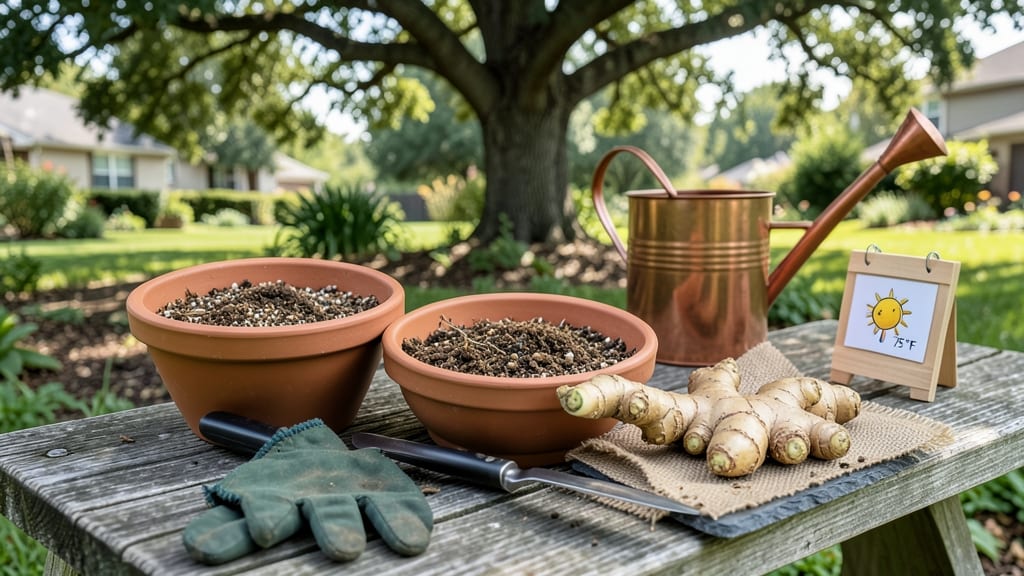
If you're dreaming of a bountiful harvest of fresh, spicy ginger 🌿 in Zone 9, timing your planting is the key to success. Planting at the wrong time can mean wasted effort—or worse, rotting rhizomes before they even sprout.
But here's the good news: with the right approach, you can grow ginger year-round in your warm climate, and I'll show you exactly when to start.
Zone 9 gardeners have a unique advantage—no frost to worry about—but that also means heat and moisture play critical roles in your planting schedule. Unlike cooler climates, where spring planting is standard, your region offers two prime windows: late winter/early spring and early fall.
Each has its own benefits, and I'll break down which works best for your specific microclimate, whether you're near the coast or inland.
You might be wondering whether to plant from rhizomes or seeds. For Zone 9, rhizomes are the game-changer—they establish faster and yield more robust plants.
I'll walk you through the exact steps to prepare your soil, plant at the optimal depth, and protect your ginger from summer's intense heat while encouraging maximum growth.
Ready to transform your garden into a ginger powerhouse? Let's dive into the science-backed timing that will give you bold, flavorful harvests from October through December—just in time for your favorite recipes. You'll never second-guess your planting schedule again!
Optimal ginger planting times in Zone 9: spring vs fall breakdown
Zone 9’s warm climate makes ginger a fantastic crop, but timing your planting is critical to avoid rhizome rot or stunted growth. Unlike cooler zones, ginger thrives when soil temperatures stay between 70-80°F—too early, and your rhizomes may spoil; too late, and summer heat stresses young plants.
Let’s break down the ideal windows for spring vs fall planting in your region.
Most Zone 9 gardeners plant ginger in late winter to early spring (February-March), when daytime temperatures begin climbing but haven’t yet reached scorching levels. This aligns with the plant’s natural growth cycle, giving it 8-10 months to mature before cooler fall weather slows development.
However, fall planting (September-October) can also work in coastal areas with milder winters.
Here’s the key difference: Spring planting gives ginger a full growing season, while fall planting risks exposure to early frost in inland Zone 9 areas. Microclimates matter—coastal regions (like San Diego) may handle fall planting, while inland desert areas (like Phoenix) should stick to spring.
| Factor | Spring Planting (Feb-Mar) | Fall Planting (Sep-Oct) |
|---|---|---|
| Best For | Inland areas, desert climates | Coastal areas, mild winters |
| Soil Temp | 65-75°F (ideal: 70°F+) | 70-78°F (cools quickly) |
| Growth Window | 8-10 months (full season) | 5-7 months (limited time) |
| Frost Risk | Low (post-January) | Moderate (Dec risk) |
| Water Needs | Moderate (spring rains help) | Higher (summer drought) |
| Shade Needs | Partial shade (afternoon) | Full shade (summer protection) |
For spring planting, aim for late February to early March when soil temperatures consistently stay above 65°F. Start rhizomes indoors 4-6 weeks earlier if your region has late frosts (like high-altitude Zone 9 areas).
In coastal Zone 9, you can push planting to early April without risking heat stress.
If you prefer fall planting, focus on September—before temperatures drop below 70°F. This gives ginger enough time to establish roots before winter slows growth.
Avoid planting after October, as even mild Zone 9 winters can stunt rhizome development. Always use mulch (3-4 inches) to insulate roots during cooler months.
Zone 9’s monsoon season (July-September) can create confusion—while it’s great for established plants, it’s too late to start new ginger. The heavy rains and humidity during this period increase fungal risks, making it unsafe for planting or transplanting. Save your efforts for the drier spring or early fall windows.
One common mistake is waiting until April or later for spring planting, assuming the weather is warm enough. By then, summer heat arrives quickly, and young ginger plants struggle to establish before entering dormancy.
The ideal planting window is when daytime highs reach 75-80°F but nights stay above 60°F—typically late February to early March.
For gardeners in high-desert Zone 9 (e.g., Tucson, Las Vegas), adjust your timing by 2-3 weeks earlier than coastal areas. These regions experience more extreme temperature swings, so plant in late January to February to avoid the intense summer heat that follows.
Always monitor your local USDA Zone 9a vs 9b distinctions—Zone 9b (warmer) can handle slightly later plantings than Zone 9a.
Optimal ginger planting times in Zone 9: spring vs fall breakdown
Zone 9’s warm climate offers two prime windows for planting ginger: spring (March-April) and fall (September-October). Each season brings unique advantages, but soil temperature and moisture levels are critical. Spring planting aligns with the start of monsoon rains, while fall benefits from cooler temps before summer heat peaks.
For spring planting, aim for when soil temperatures reach 70-80°F—typically late March to early April. This gives rhizomes time to establish roots before summer’s intense heat. Fall planting, however, should occur 6-8 weeks before first frost (around September-October), allowing rhizomes to mature before winter slows growth.
| Factor | Spring Planting (Mar-Apr) | Fall Planting (Sep-Oct) |
|---|---|---|
| Soil Temp | 70-80°F | 65-75°F |
| Moisture Needs | High (monsoon prep) | Moderate (avoid drought) |
| Sunlight | Partial shade (morning sun) | Partial shade (afternoon shade) |
| Harvest Window | Fall (Oct-Dec) | Spring (Mar-Apr) |
| Best For | First-time growers | Experienced gardeners |
Inland Zone 9 areas (like Phoenix or Las Vegas) should plant earlier in spring (February-March) to escape summer’s extreme heat, while coastal regions (San Diego, Los Angeles) can extend planting into late April.
For fall, coastal zones have a longer window due to milder winters, while inland areas must finish by mid-October.
Pro tip: Use a soil thermometer to confirm temperatures. If soil stays below 65°F for weeks, delay planting until conditions improve. Ginger rhizomes need warmth to sprout—consistent temps above 70°F are ideal for germination.
For high-altitude Zone 9 areas (e.g., Flagstaff or Tucson’s foothills), account for earlier frosts. Plant rhizomes in containers for flexibility—move pots indoors if frost threatens. This method also works for urban gardeners with limited space.
Remember: Ginger thrives in humidity and warmth. In Zone 9’s dry summers, mulch heavily with straw or leaves to retain moisture and protect rhizomes from heat stress. Adjust your planting schedule based on local rainfall patterns—ginger roots need consistent moisture but hate soggy soil.