
Companion Plants
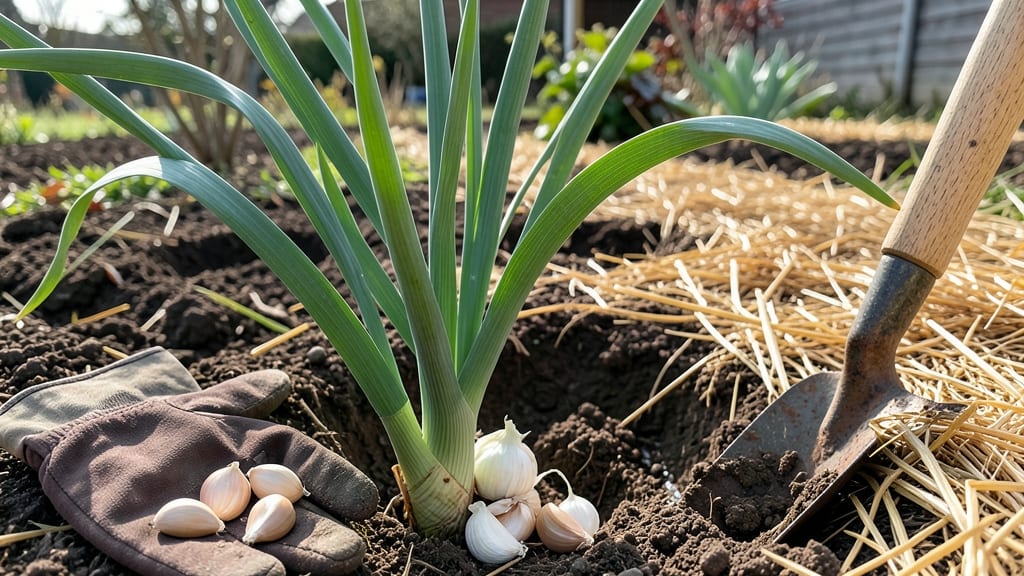
If you’ve ever wondered when to plant garlic in Western PA, the answer isn’t just about the calendar—it’s about harnessing the region’s cold winters to your advantage. Unlike warmer climates, Zone 6a’s frost actually helps garlic develop sweeter, larger bulbs when planted at the right time.
Most gardeners in Western Pennsylvania know timing is critical, but the 4-6 week window before the ground freezes—typically October to November—is where the magic happens. Plant too early, and your cloves might sprout before winter sets in; too late, and they won’t establish roots before dormancy kicks in.
What sets Western PA apart? The first frost usually arrives by mid-November, giving you just enough time to get cloves in the soil before the ground hardens.
With the right preparation—well-draining soil, proper spacing, and a little mulch—your garlic will thrive through winter and reward you with a July harvest.
Ready to grow bigger, hardier garlic? I’ll walk you through the exact steps to time your planting, adjust for local frost patterns, and even choose the best varieties for your microclimate. Let’s get started.
Best planting months for garlic in Western PA’s unique climate zones
Western Pennsylvania’s USDA Zones 5-6 create a perfect winter dormancy period for garlic, but planting too early or late can ruin your harvest. The key is planting 4-6 weeks before the ground freezes—typically early October to mid-November—to let roots establish before winter.
This timing ensures your garlic survives our cold winters and thrives when spring arrives.
Hardneck varieties, like ‘German White’ or ‘Music’, are the best choice for Western PA. They need cold exposure to form bulbs, while softneck varieties (like ‘Artichoke’) can tolerate slightly later plantings. However, softnecks won’t produce scapes, so hardnecks are ideal for most gardeners here.
Local frost patterns matter more than calendar dates. Aim to plant garlic before the first hard frost (usually mid-November in Western PA) but avoid planting in late September unless you’re using softneck varieties. Early planting risks premature sprouting before winter sets in.
For microclimate adjustments, higher elevations (like the Allegheny Mountains) may need earlier plantings, while urban areas with heat islands can extend the window slightly. Always check your last frost date—most of Western PA falls between mid-April and early May.
Here’s how to align planting with Western PA’s climate:
If you miss the ideal window, don’t panic—garlic can still be planted in early December, but success depends on soil insulation (more on this in the next section). For reliable results, stick to the October-November window and use mulch to protect cloves through winter.
Pro tip: Use a garlic planting calendar from Penn State Extension (like their Western PA Garden Guide) for hyper-localized advice. Their data accounts for microclimate variations across regions like Erie, Pittsburgh, and State College.
Once planted, garlic enters a dormant phase over winter. The cold hardiness of Western PA’s winters actually improves bulb quality—just ensure cloves are 2 inches deep in well-draining soil to prevent rot during thaw cycles.
Timing isn’t just about frost—it’s also about daylight hours. Planting in October gives garlic enough short-day exposure to trigger bulb formation, while late plantings may delay harvest until late August.
For maximum yield, aim to harvest garlic by mid-August before the heat of summer stresses the plants. This aligns with Western PA’s typical harvest window of July-August.
🌱
Best planting months for garlic in Western PA’s unique climate zones
Western PA’s USDA Zone 5-6 climate creates a perfect window for garlic—just don’t wait too long! The ideal planting window runs from early October to mid-November, giving cloves time to root before winter dormancy. This cold-hardy crop actually benefits from winter’s chill, which helps develop flavorful bulbs.
For hardneck varieties (like 'German White' or 'Music'), aim for October 1-15—this gives roots 4-6 weeks to establish before the ground freezes. Softneck varieties (like 'Silverskin') can tolerate slightly later planting, up to November 15, but risk smaller yields if planted too late.
Here’s how to align planting with Western PA’s frost patterns:
| Variety Type | Optimal Planting Window | Key Consideration |
|---|---|---|
| Hardneck (e.g., 'German White') | Early October - Mid-November | Needs roots established before first hard frost (avg. Nov 15) |
| Softneck (e.g., 'Silverskin') | Late September - Early November | Tolerates later planting but yields may shrink |
| Both Types | Avoid planting after Nov 15 | Cloves risk rotting if soil stays above 40°F too long |
Pro tip: Check your local last frost date—Pittsburgh averages April 15, but mountain regions like Erie can be 2 weeks later. Plant 4-6 weeks before your area’s first hard frost to ensure roots form before winter.
If you miss the fall window, spring planting is possible but yields will be 50% smaller. Plant in March-April if needed, but expect bulbs to mature faster and store poorly. For best results, stick to fall!
Western PA’s variable microclimates mean elevation matters. Mountain areas (like Allegheny Plateau) can plant 1-2 weeks later than valley regions (like Pittsburgh). Always test soil temperature—aim for 40-50°F at planting depth.