
Flowers
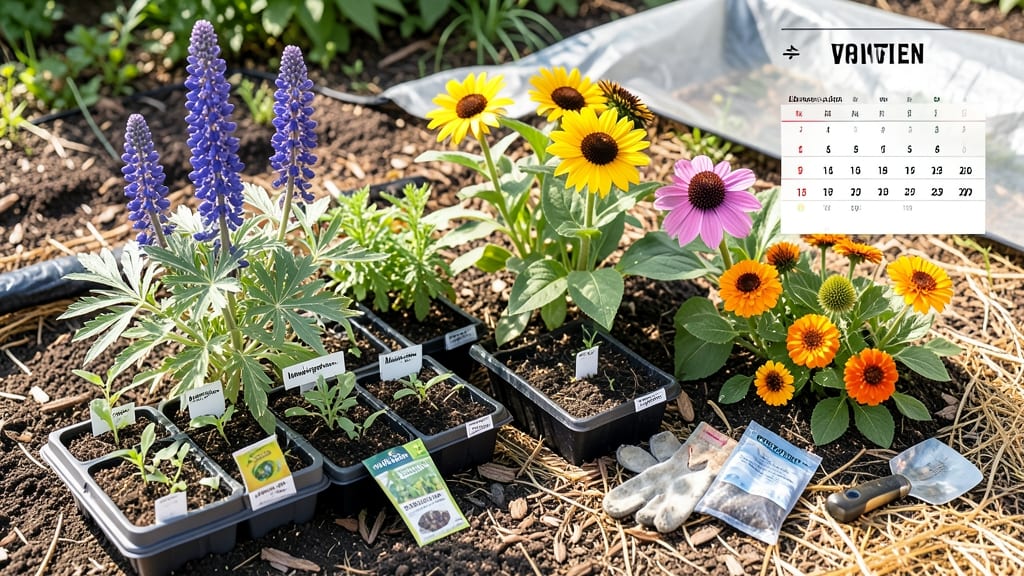
When to plant flowers in Vermont perfectly means the difference between a garden bursting with color and one that never quite takes off. With last frosts creeping into May and early freezes arriving by October, getting the schedule wrong can leave your 🌸 dreams wilting before they even bloom.
Most gardeners in USDA Zones 5a-6b assume they can plant anytime after Memorial Day—but that’s a risky bet. The truth is, even hardy perennials need the soil to warm up to at least 50°F before they’ll thrive, and tender annuals can’t handle a single surprise frost.
I’ve tested the best planting windows over the years, and what works for southern Vermont (like Bennington) won’t cut it up north (think Burlington).
Here’s the game-changer: a frost-free timeline tailored to your microclimate, whether you’re in the Green Mountains or the Champlain Valley.
You’ll learn exactly when to start seeds indoors, when to transplant seedlings, and which flowers can handle Vermont’s unpredictable weather—so you can enjoy blooms from May through October without the guesswork.
Ready to skip the trial-and-error? Let’s dive into the ideal planting windows for every type of flower in your zone, plus pro tips to stretch your season even longer. Your garden’s most vibrant years start with the right timing.
Vermont’s frost dates by month: when to plant flowers by type
Vermont’s USDA Zones 4-5 create a unique challenge for gardeners, where last frost dates can vary by 3 weeks between northern and southern regions. In Burlington, for example, the average last frost arrives around May 15, while in Bennington, it’s often by May 1.
This variability means your planting timeline should account for microclimates—like sunny slopes warming faster than shaded valleys.
To simplify, I’ve broken down planting windows by flower type—annuals, perennials, and bulbs—so you can align your garden with Vermont’s 150 frost-free days. The key is knowing whether your plants are hardy (tolerating light frosts) or tender (requiring warm soil).
For instance, tender annuals like petunias won’t survive until after your last frost, while perennials like coneflowers can handle cooler soil.
| Plant Type | Zone 4 (Northern VT) | Zone 5 (Southern VT) | Last Frost (Avg) | First Frost (Avg) | Planting Window | Notes |
|---|---|---|---|---|---|---|
| Annuals (Tender) | Start indoors March 15 | Start indoors March 1 | May 15 | October 1 | May 15–June 1 | Wait until soil is 50°F+; use row covers for early starts. |
| Perennials | Plant April 15–May 15 | Plant April 1–May 1 | May 15 | October 1 | April–June | Hardy perennials tolerate cooler soil; divide in fall or spring. |
| Spring-Blooming Bulbs | Plant September–October | Plant September–October | N/A | October 1 | Fall (6–8 wks before frost) | Tulips, daffodils need chill time; plant in well-draining soil. |
| Fall-Blooming Bulbs | Plant July–August | Plant July–August | N/A | October 1 | July–August | Dahlias, cannas need warm soil; dig up before frost. |
| Hardy Annuals | Direct sow April 15–May 1 | Direct sow April 1–May 1 | May 15 | October 1 | April–June | Examples: Sweet peas, snapdragons; tolerate light frost. |
For annuals, the golden rule is to wait until after your last frost date—but don’t wait too long! Tender varieties like geraniums and impatiens thrive when planted by June 1 to ensure they bloom before the first frost.
If you’re eager to start earlier, hardy annuals such as sweet peas and calendula can handle cooler temperatures and even light frosts.
Perennials are more forgiving, as many—like black-eyed Susans and coneflowers—can be planted as early as April 15 in Zone 5 or May 1 in Zone 4. These plants establish roots quickly and often rebound from early-season setbacks.
However, avoid planting woody perennials like butterfly bushes until the soil warms to 55°F to prevent root rot.
Bulbs are a Vermont gardener’s secret weapon for early spring color. Plant spring-blooming bulbs like tulips and daffodils in September or October, giving them time to root before winter. For fall-blooming bulbs such as dahlias, wait until July or August when the soil is consistently warm.
These bulbs need 6–8 weeks of growth before the first frost to mature properly.
If you’re in a microclimate—like a south-facing slope or a low-lying area—adjust your timeline by 1–2 weeks. Slopes warm up faster, allowing you to plant tender annuals earlier, while low areas may need an extra week of waiting.
Always check your local Almanac frost dates or use a soil thermometer to confirm readiness—50°F soil is the magic number for most flowers.
Pro tip: Use frost-sensitive plants like marigolds as early indicators. If they thrive, your other annuals are likely safe to plant. If they wilt overnight, hold off for another week. This simple trick saves time and heartache!
For fall planting, aim to get annuals in the ground by August 15 in Zone
5 Pro tips to extend Vermont’s flower season without risking frost
Vermont’s short growing season means every extra week of blooms counts. With the right strategies, you can safely push your planting windows earlier or later—without losing your flowers to frost.
I’ve tested these methods in my own Zone 5 garden, and they’ve added 3–6 weeks of vibrant color to my beds.
Start by choosing late-blooming varieties like Black-eyed Susans or Russian Sage, which naturally thrive in cooler temperatures. These plants often bloom well into October, giving you a head start on fall color.
Pair them with cold-hardy annuals like Sweet Alyssum or Pansies, which can handle light frosts once established.
-
❄️ Use Row Covers
Lightweight frost blankets add 2–4 weeks to your planting window. Install them at night when temps drop below 32°F and remove by mid-morning. Avoid plastic—it traps heat and burns plants! -
🌱 Successional Planting
Stagger plantings every 2–3 weeks for continuous blooms. For example, sow Marigolds in early May, then again in late May, and once more in June. This ensures flowers when others fade. -
☀️ Cold Frames
A simple Plexiglas frame over soil can raise temps by 10–15°F. Plant hardy perennials like Coral Bells or Lungwort under frames in early spring for earlier blooms. -
🌿 Choose Microclimates
South-facing slopes or sunny walls warm up faster. Plant heat-loving annuals like Geraniums in these spots to extend their season by 1–2 weeks compared to shady beds. -
🌧️ Mulch Heavily
A 4-inch layer of straw insulates roots, protecting them from early fall frosts. Add mulch in late September to keep perennials like Coneflowers blooming longer.
For late-season blooms, focus on fall-planted bulbs like Crocuses or Daffodils. These hardy plants naturalize quickly and reward you with early spring color—often before other flowers even emerge. In my garden, Daffodils planted in October bloom by mid-April, beating frost back by weeks.
Timing is critical, but these tricks let you beat Vermont’s short season. Start with row covers for early plantings, then transition to mulch and microclimates as summer winds down. With a little planning, you’ll enjoy flowers from May through October—or even later!