
Flowers
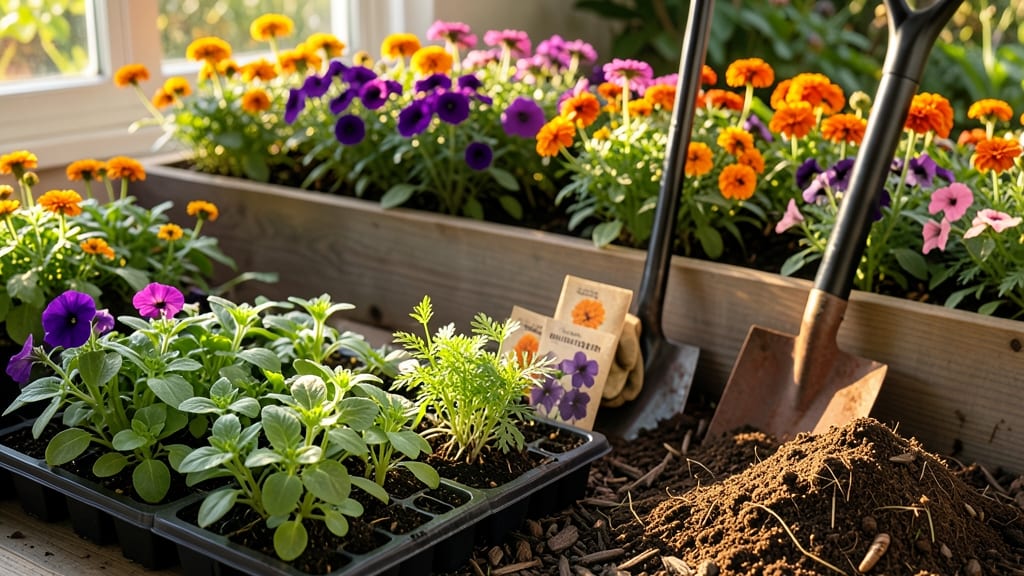
Planting your 🌸 flowers in Pennsylvania at the wrong time could mean watching your garden dreams wither before summer—unless you know the exact windows that work for your microclimate.
With USDA zones 5b-7a and elevation shifts from the Poconos to Pittsburgh, timing matters more than you might think. Get it right, and you’ll enjoy vibrant blooms from spring through fall; get it wrong, and you’re stuck with sad, stunted plants.
I’ve broken down the perfect planting windows for annuals, perennials, and bulbs—plus how to adjust for late frosts or heatwaves. Whether you’re in Philadelphia or Erie, you’ll learn exactly when to start seeds indoors or transplant seedlings outdoors.
Ready to transform your garden? Let’s dive into the step-by-step guide that’ll help you plant with confidence, no matter where you are in the Keystone State.
Pennsylvania’s last frost dates by elevation: when to plant flowers safely
Planting flowers in Pennsylvania isn’t one-size-fits-all—your elevation matters more than you think. The state spans USDA Hardiness Zones 5b to 7a, with last frost dates varying by hundreds of miles.
In the Poconos Mountains (Zone 5b), frost lingers until May 15, while Philadelphia (Zone 7a) sees its last frost by April 15. These differences mean zinnias thrive in Pittsburgh but may bolt in Erie’s cooler highlands.
Microclimates add another layer of complexity. Urban areas like Pittsburgh and Scranton experience heat islands that warm soil faster, while valleys like the Lackawanna River Basin hold frost longer. Even within a county, south-facing slopes can be 2 weeks earlier than north-facing gardens.
To avoid frost damage, I always check local weather stations (like Penn State’s Ag Weather Network) for real-time updates.
For annual flowers like petunias or marigolds, wait until 2 weeks after your region’s average last frost. Perennials like coneflowers can handle cooler soil, so plant them 1-2 weeks earlier than annuals. Bulbs like tulips need a different strategy—plant them in fall (October-November) to establish roots before winter.
Here’s how Pennsylvania’s elevation zones break down for flower planting:
Soil temperature is just as critical as air temperature. I always use a soil thermometer to confirm 60°F+ before planting. In cooler zones like the Poconos, hardy annuals like snapdragons can handle 55°F soil, while tropical flowers like impatiens need to wait until 70°F+.
Pro tip: Mix compost into soil to warm it faster—this can shave 1-2 weeks off your planting timeline.
For fall planting (August-September), aim to get flowers established 6-8 weeks before first frost.
In southern PA, this means planting by September 15, while northern regions should finish by August 20. Cool-season flowers like asters and chrysanthemums love this timing, but avoid planting tender annuals too late—they won’t survive winter.
Don’t let Pennsylvania’s unpredictable spring weather catch you off guard. I
Best flowers to plant by Pennsylvania season: cool vs. warm season timing
Pennsylvania’s diverse climate means some flowers thrive in cool spring while others need warm summer to bloom. I’ve planted everything from hardy tulips to heat-loving zinnias, and timing makes all the difference.
Cool-season flowers like pansies and snapdragons can handle light frosts, while marigolds and sunflowers need warm soil to sprout.
For annuals, start seeds indoors 6-8 weeks before your last frost date.
In Pennsylvania, that’s typically mid-March to early April in southern regions and late April to early May in the Poconos. Perennials like coneflowers and black-eyed Susans can go straight into the ground in early spring or early fall, giving them time to establish roots.
🌱 Seasonal Flower Planting Guide for Pennsylvania
- 🌿 Cool Season (March-May): Plant pansies, snapdragons, calendula, and lupines. These tolerate 40-50°F soil and even light frosts.
- ☀️ Warm Season (May-July): Transplant zinnias, marigolds, sunflowers, and cosmos. Wait until soil reaches 60°F+.
- 🍂 Fall Planting (August-September): Set out mums, asters, and pansies for fall blooms. Stop planting 6-8 weeks before first frost.
- 🌱 Bulbs (Fall): Plant tulips, daffodils, and crocuses in October-November for spring color.
- ❄️ Frost-Tender Flowers: Use row covers or cold frames to extend seasons for geraniums and begonias.
Native Pennsylvania flowers like black-eyed Susans and bee balm are low-maintenance and thrive in partial shade. I’ve found they bloom reliably if planted in early spring or early fall. For container gardening, choose compact varieties like petunias or geraniums, which adapt well to small spaces and balconies.
If you’re in Zone 6 (Pittsburgh area), aim for May 1 as your last frost cutoff. In Zone 7 (Philadelphia), you can plant 2 weeks earlier. For high-elevation gardens (like State College), wait until May 15 to avoid late spring frosts.
Always check your local Cooperative Extension for updates—2023’s late frosts caught many gardeners off guard!
Extending your season is easier than you think. I use frost cloth to protect tender seedlings in May and row covers to keep fall blooms going until October. For potted flowers, move them to sheltered spots at night when temps drop below 50°F. With these tricks, you can enjoy continuous color from spring tulips to fall mums—no wilted dreams here! 🌼