
Plants
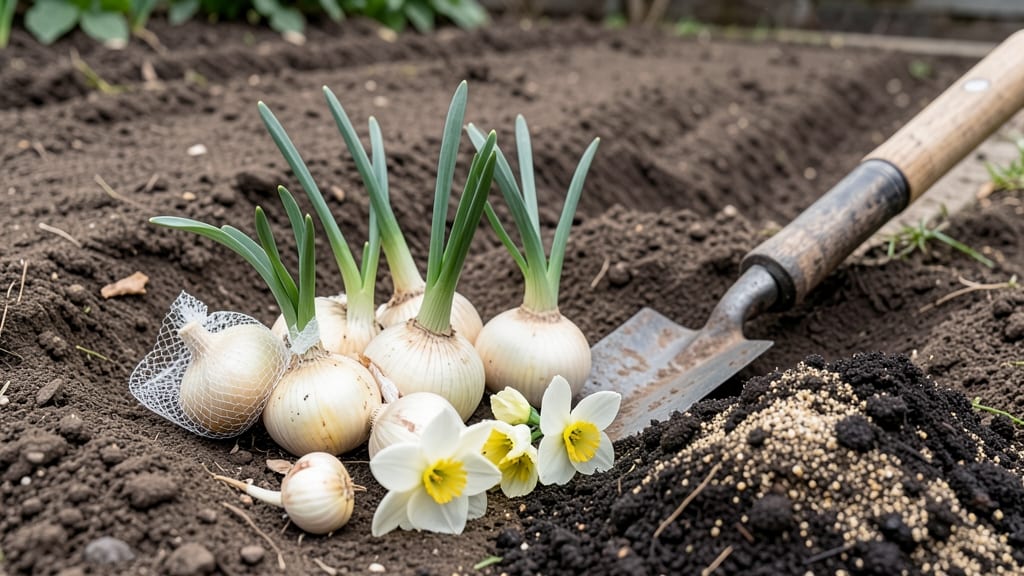
Timing your daffodil planting in NC can make the difference between a stunning spring garden and wasted effort. Those cheerful 🌼 blooms need the right conditions to thrive, especially in North Carolina's shifting climate where frost dates vary wildly from the mountains to the coast.
Most gardeners in zones 6b-8a know fall is the prime window, but getting it just right—between October and November—sets your bulbs up for success. Plant too early, and they might rot; too late, and frost could nip them before they take root.
I’ll break down the exact timing based on your specific NC region so you can avoid common mistakes.
What you’ll discover here isn’t just about months—it’s about soil temperature, frost predictions, and even how to adjust if your area gets an early freeze. Whether you’re a first-time planter or a seasoned gardener, these insights will help you plant with confidence and enjoy those bright blooms come spring.
The best part? With the right approach, your daffodils could return year after year, multiplying effortlessly. Let’s get those bulbs in the ground at the perfect moment so you’re not left wondering why your garden flopped.
Optimal planting months for daffodils in North Carolina’s climate zones
North Carolina’s diverse climate zones—ranging from USDA Zone 6b in the mountains to Zone 8a along the coast—create unique planting windows for daffodils. The key is planting 6-8 weeks before the first frost, which typically falls between mid-November and early December across the state.
This timing ensures bulbs establish roots before winter dormancy.
In Zone 6b (western NC), where winters are colder, aim for mid-October to early November planting. Meanwhile, Zone 8a (coastal areas) can extend planting until late November due to milder winters. Early spring planting (February-March) is also viable but yields smaller blooms the first year.
Soil temperature is critical—daffodils thrive when soil cools to 50-60°F. Use a soil thermometer to monitor conditions, especially in Zone 7a (central NC), where temperatures fluctuate wildly. Planting too early in warm soil can cause bulbs to sprout prematurely and suffer frost damage.
Here’s how to align your planting with NC’s microclimates:
| Zone | First Frost | Ideal Planting Window | Soil Temp Threshold | Notes |
|---|---|---|---|---|
| 6b (Mountains) | Nov 15 | Mid-October–Early November | 50–55°F | Coldest zone; mulch heavily after planting. |
| 7a (Central) | Nov 20 | Late October–Mid-November | 55–60°F | Moderate winters; adjust for early freezes. |
| 7b (Piedmont) | Nov 25 | Late October–Late November | 55–60°F | Urban areas may have heat islands; plant earlier. |
| 8a (Coastal) | Dec 1 | November (up to Dec 1) | 60°F or warmer | Mild winters; can plant later but risk rot. |
For Zone 6b gardeners, I recommend planting by October 31st to avoid early freezes. In Zone 8a, you can push planting to December 1st, but monitor soil moisture—wet soils increase bulb rot risk. Always plant bulbs 3x deeper than their height (typically 6–8 inches deep) for winter protection.
Pro tip: Use a planting calendar like the NC State Extension’s frost date map to fine-tune your timing. For example, Asheville’s Zone 6b may need bulbs in the ground by November 1st, while Wilmington’s Zone 8a can wait until December 10th.
Local nurseries often stock pre-chilled bulbs in early fall—ask when they recommend planting!
If you miss the fall window, don’t despair—early spring planting (February) works too, though blooms may arrive 2–3 weeks later. The trade-off? Spring-planted bulbs often produce larger flowers the following year. Just ensure soil temperatures stay above 50°F for consistent germination.
Remember: Daffodils prefer cool soil, so avoid planting in summer heat. If your soil stays above 70°F for weeks, bulbs may rot before sprouting. Test your soil’s temperature with a thermometer—aim for 60°F or cooler for best results.
For container gardening in NC, plant daffodils in October–November regardless of zone. Containers freeze faster than ground soil, so use insulated pots or move them to a garage or shed during hard freezes. Mulch pots with straw or leaves to retain warmth.
How to adjust planting time for NC’s unpredictable weather patterns
North Carolina’s weather can be as unpredictable as a spring shower—one week might bring unseasonably warm temperatures, while the next could drop early frost warnings. To protect your daffodils, I’ve learned to adjust planting times based on local forecasts and microclimates.
For example, if your area typically sees frost by mid-November, plant bulbs by late October to give roots time to establish before the ground freezes.
If you’re in western NC (Zone 6b-7a), where frosts arrive earlier, aim for September-October planting. Meanwhile, gardeners in eastern NC (Zone 8a) can push planting to November or even early December. Always check the National Weather Service for your county’s 10-day forecast before planting.
🚨 Callout Warning 🚨
If a hard freeze (below 20°F) is forecasted within 2 weeks of planting, delay until soil temps drop below 60°F. Use mulch (straw or leaves) to insulate bulbs if planting late.
For microclimates (e.g., near lakes or urban heat islands), plant 2-3 weeks later than your zone’s average.
Another trick I use is the soil temperature test. Stick a thermometer 4 inches deep—when temps hit 50-60°F, it’s time to plant. In NC’s Piedmont region, this usually aligns with mid-October, while the Coastal Plain might see ideal temps in late October or November.
For backup planting dates, mark your calendar for February-March (early spring). While fall planting yields stronger blooms, spring-planted bulbs still thrive if given 6-8 weeks before the last frost. Just be prepared for smaller flowers the first year.
Protect vulnerable plantings with mulch (3-4 inches of straw) or a lightweight row cover during unexpected cold snaps. In my Zone 7b garden, this extra layer has saved daffodils from January freezes more than once.
Finally, observe your garden’s microclimates. South-facing slopes warm up faster than shaded areas, so adjust planting times accordingly. For example, I plant shady spots 2 weeks later than sunny beds to avoid premature sprouting in winter.