
Plants
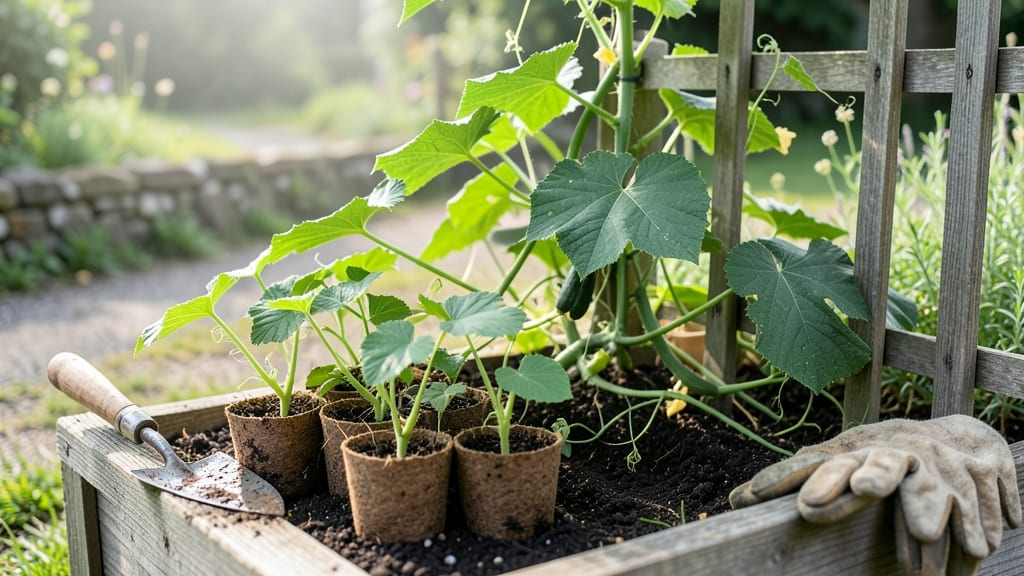
Knowing when to plant cucumbers in Zone 9b can mean the difference between a bountiful harvest and wasted effort—especially when bolting turns your plants into bitter, seed-filled stalks before they even get going.
Unlike cooler zones, Zone 9b’s year-round warmth means you’ve got two prime windows to plant 🥒, but timing still matters more than you’d think.
In this desert climate, cucumbers actually prefer cooler soil temps to start strong—aim for February to March or September to October—when the ground has warmed to at least 60°F but before the scorching summer heat kicks in.
Planting in peak summer (June–August) often triggers bolting, because the soil stays too hot, confusing the plants into thinking it’s time to flower and fruit all at once.
I’ll show you exactly how to read your soil’s temperature cues, avoid common mistakes that lead to bolting, and even tweak your planting schedule based on whether you’re growing bush or vining varieties.
With these simple adjustments, you’ll skip the guesswork and enjoy fresh cucumbers straight from your garden for months.
Ready to turn your Zone 9b garden into a cucumber powerhouse? Let’s dive into the soil science and scheduling secrets that’ll keep your plants happy—and your harvests coming.
Ideal planting times for cucumbers in Zone 9b based on soil temperature
In Zone 9b, cucumbers grow best when planted during late winter to early spring (February–March) or fall (September–October). Unlike cooler zones, you don’t need to wait for frost—just focus on soil temperature to avoid bolting.
Cucumbers need soil at 50°F+ for germination and 70°F+ for optimal growth. Planting too early in cold soil or too late in scorching summer heat can stress plants.
Zone 9b’s mild winters and hot summers create two prime windows: spring (when soil warms steadily) and fall (when daytime heat cools slightly). Spring planting yields summer harvests, while fall planting extends production into cooler months.
Both strategies avoid the peak summer heat (June–August), which can cause bolting or poor fruit set.
Here’s the soil temperature guide for perfect timing:
| Season | Planting Window | Soil Temp for Germination | Ideal Growth Temp | Harvest Window |
|---|---|---|---|---|
| Spring | Late February–Early March | 50°F+ (use black plastic mulch to warm soil faster) | 70°F–85°F (avoid >90°F) | April–June |
| Fall | September–October | 60°F+ (soil cools slower in fall) | 65°F–75°F (use shade cloth if >85°F) | November–December |
For spring planting, start seeds indoors 4–6 weeks before transplanting (mid-January) to give seedlings a head start. Harden them off before moving to the garden when soil hits 55°F. In fall, plant directly outdoors in September—soil stays warm longer than air temperature suggests.
Use a soil thermometer to confirm readiness. Bury it 2 inches deep in the morning (soil is coolest then). If temps dip below 50°F, delay planting or use row covers to insulate seedlings. Conversely, if soil exceeds 90°F (common in summer), opt for shade cloth (30–50%) to protect plants.
Pro tip: Stagger plantings every 2 weeks in spring and fall to extend your harvest. This ensures a continuous supply of fresh cucumbers without overwhelming your garden at once. For example, plant half in late February and the rest in early March for a staggered spring yield.
In Zone 9b, avoid summer planting (June–August) unless you’re using drip irrigation and shade cloth. The intense heat can cause cucumbers to bolt (flower prematurely) or develop bitter fruit. Instead, focus on spring and fall for the best balance of soil warmth, humidity, and daylight.
If you’re in a desert microclimate (e.g., Phoenix), prioritize fall planting—spring can bring unpredictable rain and fungal risks. In coastal areas (e.g., Southern California), spring planting often yields better due to milder, consistent conditions. Always check your local microclimate for nuances.
Finally, choose heat-tolerant varieties like ‘Straight Eight’ or ‘Lemon Cucumber’ for Zone 9b. These handle warmer soil temps better than traditional types. Pair them with companion plants like radishes or beans to improve soil health and deter pests.
Ideal planting times for cucumbers in Zone 9b based on soil temperature
In Zone 9b, cucumbers love the warmth—but planting at the wrong time can trigger bolting (premature flowering) or stunted growth. The key is soil temperature, not just air temperature.
For cucumbers to germinate, soil needs to reach 50°F+, but they thrive best when soil is 70°F+. In Zone 9b, this usually aligns with late winter or fall planting.
Since Zone 9b has no frost risk, you can plant year-round, but timing matters. The ideal windows are February-March for spring harvests and September-October for fall harvests. Avoid planting during peak summer heat (June-August), when soil temps can exceed 85°F, stressing young plants.
Here’s how to time it perfectly for your Zone 9b garden:
| Season | Planting Window | Soil Temp Goal | Harvest Time |
|---|---|---|---|
| Spring | Late February - Early March | 60°F+ (use black plastic mulch to warm soil) | April - June |
| Fall | Mid-September - Early October | 70°F+ (cooler evenings help) | November - December |
| Avoid | June - August | >85°F (heat stress risk) | N/A |
For spring planting, start seeds indoors 4-6 weeks before your target date (mid-January) or direct-sow when soil hits 60°F. In fall, September is ideal—soil stays warm enough for germination but cools slightly for slower, steadier growth. Use a soil thermometer to monitor temps if unsure.
Pro tip: In Zone 9b, succession planting works well. Sow a new batch every 2-3 weeks in spring or fall to extend your harvest. Just ensure soil temps stay above 55°F for germination.
For bush varieties, spacing is less critical, but vining types need trellises to save space and improve air circulation.
If you miss the ideal windows, don’t panic! Container gardening lets you adjust soil temps faster. Fill pots with well-draining mix, add black plastic mulch, and place them in a sunny spot. This gives you flexibility to plant even in off-season months like late April or early November.