
Plants
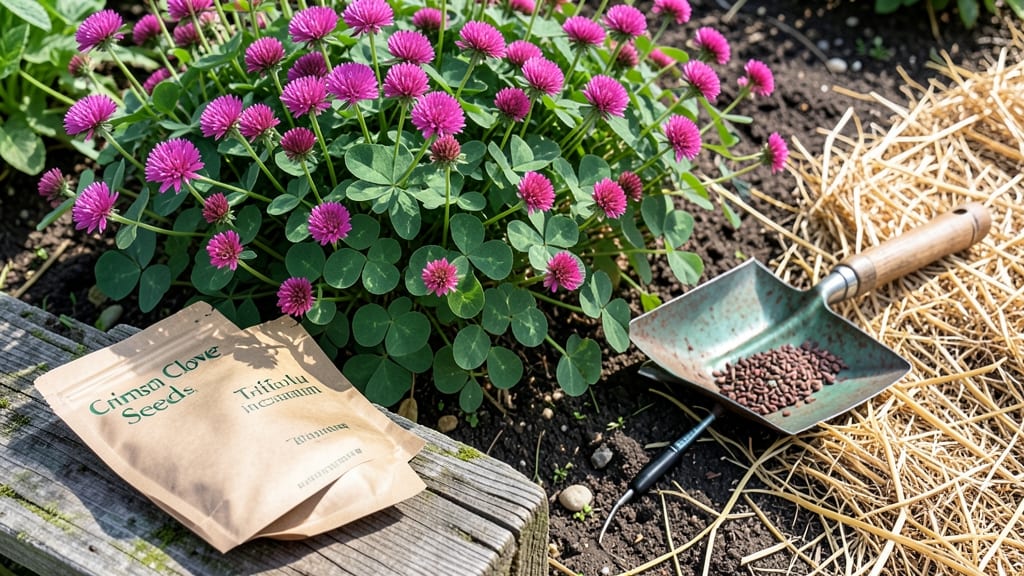
If you're a Tennessee gardener looking to boost your soil health and attract pollinators like bees and butterflies, planting crimson clover 🌸 in late summer or early fall is your secret weapon.
This hardy cover crop thrives in our 6a-7b climate zones, fixing nitrogen while adding vibrant color to your landscape.
The key to success lies in timing—planting between August and October gives crimson clover enough time to establish roots before winter. This means healthier soil come spring and stunning blooms that support local ecosystems.
Whether you're prepping for next year's garden or improving your lawn, this is the perfect time to act.
But why wait? Crimson clover is easier to grow than you might think, and it requires minimal maintenance once established. With just a little preparation, you can transform your Tennessee property into a thriving hub for both beauty and sustainability.
Let’s dive into how to make the most of your planting window.
From soil prep to variety selection, I’ll walk you through every step to ensure your crimson clover takes root and flourishes. By the end, you’ll have all the tools you need to plant with confidence and watch your garden—or lawn—transform in ways you never expected.
Optimal planting windows for crimson clover in Tennessee’s climate zones
Timing is everything when planting crimson clover in Tennessee, where USDA Zones 6b-7b create distinct microclimates. The best window spans from late August through early October, allowing roots to establish before winter dormancy.
This fall planting strategy ensures robust growth by spring, when the plant fixes nitrogen and supports pollinators.
In Zone 6b (e.g., East Tennessee), aim for late August to mid-September to avoid early frost risks. Zone 7b gardeners (e.g., Middle Tennessee) have a slightly longer window—late August to early October. Higher elevations may need adjustments, with earlier planting (by late July) to compensate for cooler temperatures.
Key factors like soil temperature (ideal: 60-70°F) and frost dates (first frost: mid-October) guide your schedule. Plant too late, and roots won’t anchor before winter chill sets in. Too early, and summer heat may stress seedlings.
For urban gardeners, microclimates near buildings or pavement can extend the window by 1-2 weeks. Rural areas with cooler nights may need earlier planting to ensure survival. Always check your local Almanac frost dates for precision.
🌸
| Zone & Region | Ideal Planting Window | Key Considerations |
|---|---|---|
| Zone 6b (East TN) | Late August – Mid-September | Cooler nights; plant early to avoid frost |
| Zone 7a (Middle TN) | Late August – Early October | Warmer microclimates extend window |
| Zone 7b (West TN) | Late August – Early October | Longer growing season; monitor soil temps |
| Urban Microclimates | Late August – Mid-October | Heat islands delay frost; adjust for pavement effects |
Seed depth matters too. Plant crimson clover seeds ¼ inch deep, spacing them 10-15 inches apart for optimal growth. Use a seed drill or broadcast method for large areas, then lightly rake soil to ensure seed-to-soil contact.
This step is critical for germination rates in Tennessee’s variable fall rainfall patterns.
If you miss the fall window, consider early spring planting (March-April) for a second chance. However, spring-planted clover may not establish as robustly before summer heat arrives. For pollinator support, fall planting ensures early spring blooms when bees emerge from dormancy.
🌿
Pro tip: Mix crimson clover seeds with a light mulch (e.g., straw) to retain moisture and suppress weeds. This is especially useful in Tennessee’s clay-heavy soils, where water retention is key. Mulch also insulates roots during winter temperature swings common in the region.
For organic gardeners, avoid synthetic fertilizers—crimson clover’s nitrogen-fixing abilities make it self-sufficient. Focus instead on soil health through compost and proper planting timing. With the right approach, your fall-planted clover will reward you with lush spring growth and enriched soil for years to come.
☀️
Optimal planting windows for crimson clover in Tennessee’s climate zones
Tennessee’s diverse USDA Zones 6b-7b create unique microclimates where crimson clover thrives when planted at the right time. The ideal window spans from mid-August to early October, allowing roots to establish before winter dormancy.
In Zone 6b (northwest Tennessee), aim for late August planting to avoid early frosts, while Zone 7b (Middle Tennessee) can extend planting until mid-October.
Elevation plays a critical role—higher elevations (like the Cumberland Plateau) experience earlier frosts, so plant 4-6 weeks earlier than lowland areas. For example, Chattanooga’s Zone 7a should plant by September 15, while Memphis’ Zone 7b can wait until October 1.
Always check your local frost dates to time planting perfectly.
Key planting cues include soil temperatures dropping below 70°F and summer weeds being controlled. Planting too early (before July 15) risks heat stress, while late planting (after October 15) may not allow sufficient root growth before winter. Crimson clover needs 6-8 weeks to establish before dormancy.
🌱 Tennessee Planting Timeline for Crimson Clover
| Zone | Ideal Planting Window | Last Safe Planting Date | Key Consideration |
|---|---|---|---|
| 6b (NW TN) | Mid-August to Sept 15 | September 20 | Early frost risk |
| 7a (East TN) | Late August to Sept 30 | October 10 | Mountain microclimates |
| 7b (Middle TN) | Early August to Oct 15 | October 25 | Longer growing season |
For urban gardeners, container planting in August works well, but ensure pots have drainage holes to prevent waterlogging. In rural settings, broadcast seeding after soil prep (discussed in Section 2) yields best results.
Remember, crimson clover self-seeds, so late fall blooms may appear in Zone 7b if planted early enough.
Adjust timing if drought conditions persist—delay planting until soil moisture improves. In clay-heavy soils (common in West Tennessee), plant 1-2 weeks earlier to avoid compaction issues. Always test soil pH (ideal 6.0-7.0) before planting to ensure optimal growth.
Pro tip: Mark your calendar for September 15 as the sweet spot for most of Tennessee. This gives 6-8 weeks of growth before first frost, ensuring a lush spring of nitrogen-rich blooms that support pollinators and improve soil health. 🌸