
Plants
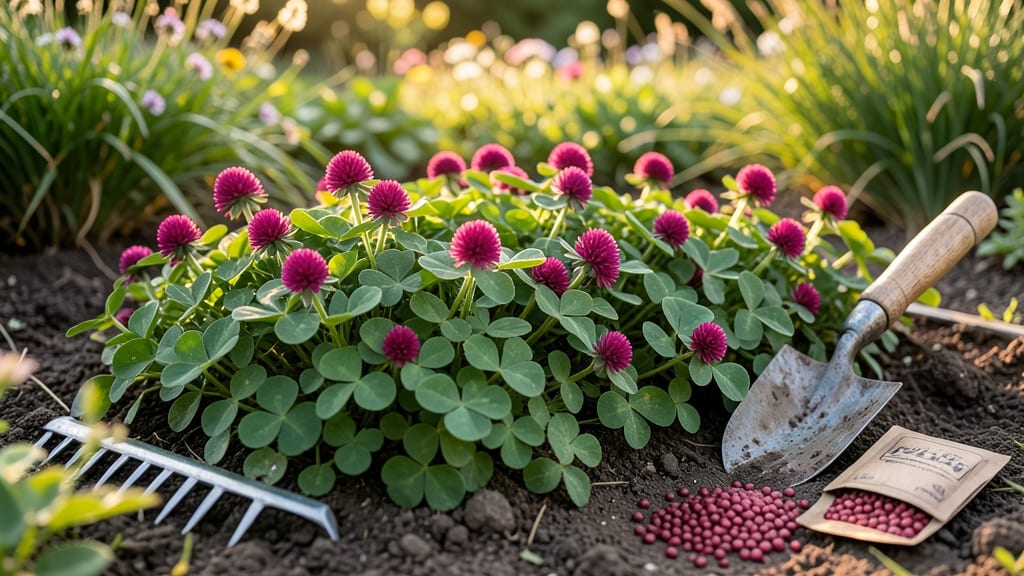
If you're wondering when to plant crimson clover in NC, timing is the secret to fast germination and a thriving cover crop. North Carolina’s varied climate—from the Coastal Plain to the Mountains—means your planting window can shift by weeks depending on elevation and microclimates.
The best months for planting are late summer to early fall (August-September) or early spring (March-April), when soil temperatures hover between 55-65°F. This gives seedlings time to establish roots before winter dormancy or summer heat stress kicks in.
For fast results, aim to plant 4-6 weeks before your region’s first frost (typically mid-November in most of NC). In the Mountains (Zone 6a), you might push planting into early October, while Coastal areas (Zone 8b) can extend it into early November.
Whether you’re using crimson clover for forage, erosion control, or soil enrichment, getting the timing right means the difference between a lush, hardy cover crop and one that struggles to take hold. Let’s break down the exact steps for your specific NC zone.
Best months to plant crimson clover in NC for optimal germination
Crimson clover thrives in North Carolina’s climate, but timing your planting is critical for strong germination and growth. The ideal window is late summer to early fall, when soil temperatures hover between 55-65°F—perfect for seed activation without summer heat stress.
For most of NC (USDA zones 7a-8b), this means August through September for fall plantings.
If you prefer spring planting, aim for early March to April—just after the last average frost date (around March 15) but before soil temperatures rise too high.
Coastal regions (like Wilmington) can plant slightly earlier, while mountain areas (like Asheville) may need to wait until late March to avoid frost damage.
Soil temperature is your best guide—use a soil thermometer ($10 at garden centers) to confirm it’s above 55°F before planting. Crimson clover seeds germinate best in warm but not scorching conditions, so avoid planting during July heat waves or late October when frosts loom.
Microclimates matter in NC! Sheltered spots (like near fences or buildings) can stay warmer and extend your planting window by 2-3 weeks. Conversely, high-elevation areas (above 3,000 feet) may need to delay until late April to avoid early frosts.
🌱 Crimson Clover Planting Timeline for NC
| Region | Best Planting Window | Soil Temp Threshold | Key Consideration |
|---|---|---|---|
| Coastal Plain (Zones 8a-8b) | August 15 - September 15 | 55-65°F | Humidity speeds germination |
| Piedmont (Zones 7a-7b) | August 20 - September 10 | 55-65°F | Moderate rainfall ideal |
| Mountains (Zones 6a-7a) | Late August - Early October | 50-60°F | Frost risk increases after Sept 30 |
| Spring Planting (All Regions) | Early March - Mid-April | 50-60°F | Wait for last frost date |
For cover crop purposes, fall plantings are superior—they establish roots before winter, suppress weeds, and provide early spring forage. If you’re growing crimson clover for bees or erosion control, spring plantings work too, but expect slower initial growth due to summer heat.
Pro tip: Mix crimson clover seeds with a light mulch (like straw) to retain moisture and regulate soil temperature. This is especially helpful in dry NC summers or windy mountain regions where seeds can dry out quickly.
Always test your soil pH (ideal range: 6.0-7.0) before planting—crimson clover struggles in acidic soils. NC’s Piedmont region often needs lime amendments to raise pH, while Coastal Plain soils may need sulfur to lower pH.
Remember: Early September plantings give crimson clover enough time to germinate before November frosts, while late August plantings avoid summer heat stress. Use these windows as guidelines and adjust based on your local microclimate!
Best months to plant crimson clover in NC for optimal germination
North Carolina’s diverse climate zones—from the Coastal Plain to the Mountains—mean crimson clover planting windows vary by region. For fast germination and strong establishment, aim for late summer to early fall (August-September) or early spring (March-April). These periods align with soil temperatures of 55-65°F, ideal for seedling growth.
In USDA Zones 7a-8b, most of NC experiences mild winters and humid summers, but microclimates (like mountain valleys) can shift planting by 2-4 weeks.
Coastal areas benefit from earlier fall plantings (late August) to avoid hurricane season delays, while Piedmont gardeners should plant by September 15 to ensure root establishment before frost.
| NC Region | Best Planting Window | Soil Temp (°F) | Key Consideration |
|---|---|---|---|
| Coastal Plain (Zone 8a-8b) | Late August–September 15 | 55–65°F | Avoid hurricane season (Sept–Oct) |
| Piedmont (Zone 7b-8a) | August 15–September 30 | 55–65°F | First frost risk after Oct 15 |
| Mountains (Zone 6a-7a) | September 1–October 15 | 50–60°F | Cooler soils; extend to early Oct |
| Spring Planting (All Zones) | March 1–April 15 | 60–70°F | Post-last frost date (varies by zone) |
Spring plantings (March-April) work well if you’re preparing soil early and can protect seedlings from late frosts. Use row covers or mulch to maintain consistent soil temps—crimson clover hates cold soil below 50°F.
For cover crop purposes, fall plantings let roots establish before winter, suppressing weeds and enriching soil for spring.
Pro tip: Check NC State Extension’s frost maps to adjust timing. For example, Asheville (Zone 7a) can plant 2 weeks later than Raleigh (Zone 7b). Always test soil moisture—dry soils in September can delay germination by 10+ days.
If you miss the fall window, early spring (March) is your second chance. Just ensure weed control is tight—crimson clover competes poorly with established grasses. For agricultural use, some growers even double-crop: plant in late summer for fall forage, then reseeding in spring.
Remember: Crimson clover thrives on timing. Plant too early, and summer heat stresses seedlings. Plant too late, and frost kills tender growth. Mark your calendar and adjust for your specific NC microclimate—your plants will thank you with vibrant blooms and deep roots! 🌸