
Plants
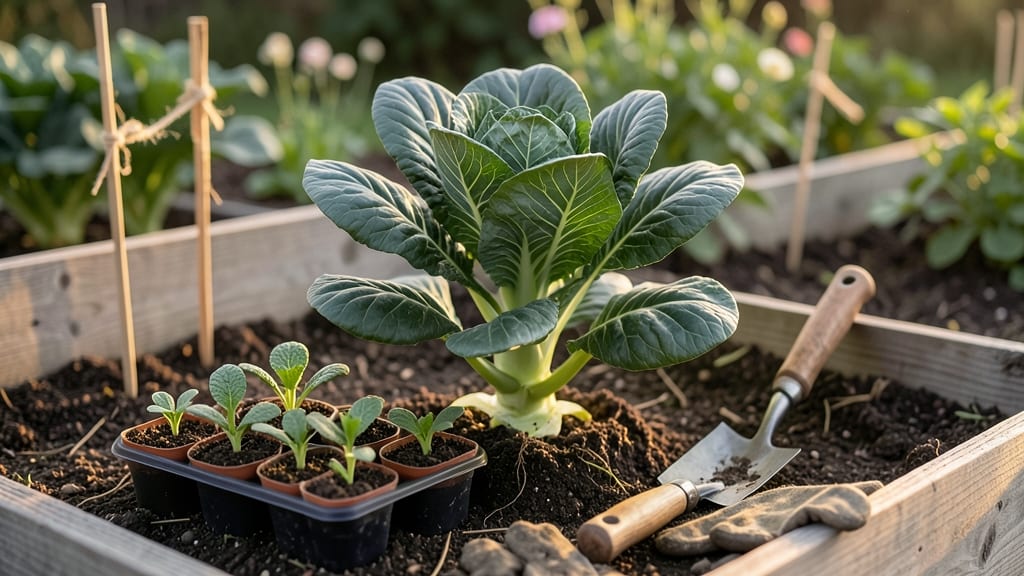
Timing is everything when it comes to growing sweet, tender collards in Zone 7b—plant them too early, and you risk bolting; too late, and you’ll miss the harvest window entirely. The secret lies in two distinct planting windows that align perfectly with your climate’s unique rhythm.
Most gardeners in Zone 7b focus on spring planting, but the real game-changer is late summer—when temperatures cool and collards (🥬) thrive without rushing to maturity. Whether you’re a first-timer or a seasoned gardener, knowing these exact windows will transform your harvest from meager to bountiful.
I’ll break down the ideal months for each season, including soil temperature tips and frost dates, so you can plan with confidence. By the end, you’ll know exactly when to start seeds indoors or transplant seedlings for a fall harvest that lasts well into winter.
Ready to turn your garden into a collard powerhouse? Let’s dive into the planting schedule that works for Zone 7b’s climate—no guesswork, just results.
Optimal collard planting times in Zone 7b: spring vs. fall timelines
Zone 7b gardeners enjoy a 180-day frost-free season, making collards one of the most rewarding crops to grow. The key to success lies in timing: plant too early, and you risk bolting from heat; too late, and your harvest shrinks before winter.
My experience shows early spring and late summer plantings yield the sweetest, most tender leaves.
Collards are cold-hardy biennials that thrive in Zone 7b’s mild winters. They tolerate light frosts, which actually sweeten their flavor. However, summer’s 90°F+ heat triggers bolting—so timing is everything. Let’s break down the two best planting windows for maximum harvests.
| Planting Window | Ideal Months | Soil Temp | Days to Harvest | Key Notes |
|---|---|---|---|---|
| Early Spring | March–April | 50–60°F | 60–70 days | Plant 4–6 weeks before last frost (March 15 in Zone 7b). Use cold-hardy varieties like 'Georgia Southern' or 'Top Bunch'. |
| Late Summer | August–September | 60–70°F | 50–60 days | Aim for 6–8 weeks before first frost (November 15). Choose heat-tolerant varieties like 'Vates' or 'Blue Max'. |
| ⚠️ Avoid planting in June–July—summer heat causes bolting! | ||||
For spring plantings, start seeds indoors 4–6 weeks before last frost (early March) or direct-sow after soil reaches 50°F. In my garden, I’ve found that transplanting 2–3 week-old seedlings gives them a head start against early pests. Use black plastic mulch to warm soil faster if needed.
Fall plantings are my favorite—cooler temps improve flavor, and collards often overwinter in Zone 7b. Seed directly 8–10 weeks before first frost (early August) for a November–December harvest. If you miss this window, succession plant every 2 weeks until mid-September for staggered yields.
Zone 7b’s microclimates matter. If your garden sits in a warmer microclimate (like near a south-facing wall), plant 2 weeks later than the average dates. Conversely, cooler pockets (valleys, shaded areas) may need earlier starts.
Always check your local frost dates—they can vary by 1–2 weeks even within the same zone.
One critical tip: Hardening off seedlings is non-negotiable. Whether planting in spring or fall, expose seedlings to outdoor conditions for 7–10 days before transplanting. I’ve lost too many seedlings to transplant shock by skipping this step—don’t make my mistake!
Finally, soil temperature is your secret weapon. Use a soil thermometer to confirm 50°F+ for spring and 60°F+ for fall plantings. Cold soil slows germination, leading to patchy, uneven growth. If your soil runs cool, try raised beds or straw mulch to speed up warming.
With these timing guidelines, you’ll enjoy sweet, tender collards from June through December—no bitter leaves in sight! Next, we’ll explore how to extend your harvest even further with smart succession planting. 🌱
Optimal collard planting times in Zone 7b: spring vs. fall timelines
Zone 7b gardeners have two prime windows for planting collards: early spring and late summer. The key is timing these transplants to match your last frost date (around March 15) and first frost (about November 15).
Planting outside these times risks bolting (premature flowering) or stunted growth from heat stress.
For spring plantings, aim to transplant 2-3 weeks after your average last frost. In Zone 7b, this typically means late March to early April. Collards are cold-hardy and can even handle light frosts, but soil temperatures below 40°F slow germination.
Starting seeds indoors 4-6 weeks before transplanting gives you a head start.
| Planting Window | Best Months | Soil Temp | Key Notes |
|---|---|---|---|
| Spring | Late March–Early April | 45–65°F | Transplant after last frost; harvest by summer |
| Fall | Late August–Early September | 50–70°F | Plant 6–8 weeks before first frost; sweeter after light frost |
Fall plantings are often more rewarding in Zone 7b because collards taste sweeter after a light frost. Start seeds or transplants in late August to early September, giving them 60–70 days to mature before winter.
Avoid planting after mid-September, or your harvest may be cut short by cold snaps.
Pro tip: Use heat-tolerant varieties like 'Georgia Southern' or 'Top Bunch' for summer plantings. These handle Zone 7b’s 90°F+ heat better than traditional types. Always mulch heavily in fall to insulate roots and extend the harvest into winter.
For a year-round supply, stagger plantings every 2–3 weeks in spring and fall. This ensures continuous harvests while avoiding gaps. Just remember: collards hate summer heat, so never plant them in June or July unless you’re using shade cloth.
🌱