
Plants
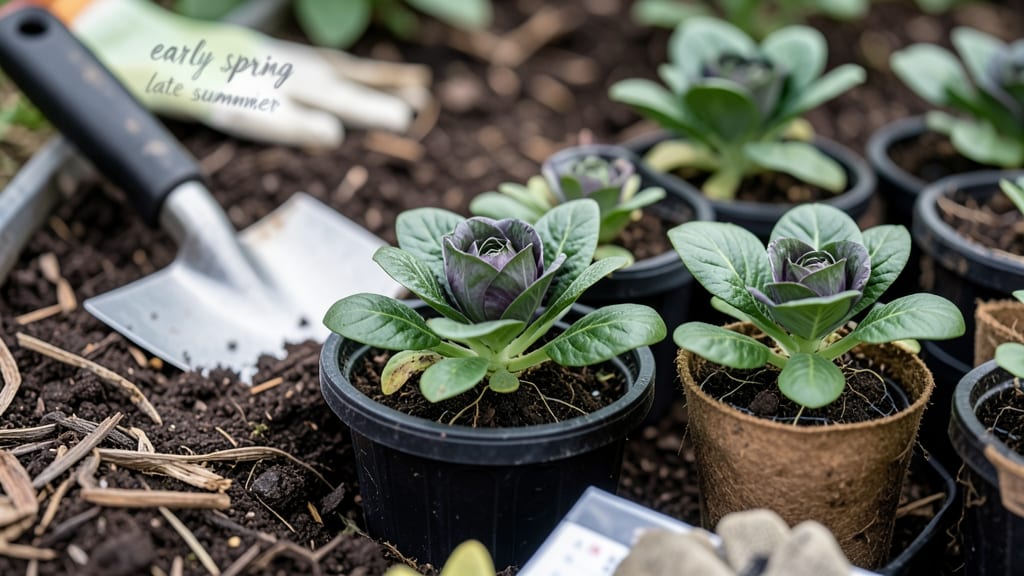
Knowing when to plant cabbage in Zone 7b can mean the difference between a bountiful harvest and wasted effort. That crisp, fresh 🥬 you’ve been dreaming of won’t grow if you plant too early or too late—especially in a zone where temperatures swing wildly between seasons.
The key to success lies in two critical windows: early spring and late summer/fall. Miss these, and you risk bolting—when your cabbage flowers prematurely instead of forming a head. But get it right, and you’ll enjoy fresh harvests from May through November, with minimal fuss.
I’ve grown cabbage in Zone 7b for years, and I’ll show you exactly when to start seeds indoors, when to transplant, and how to stretch your growing season for extra harvests. No more guesswork—just reliable timing for the best-tasting 🥬 all season long.
Ready to avoid the common mistakes that lead to bitter disappointment? Let’s dive into the exact planting schedule that works for Zone 7b’s climate, so you can enjoy homegrown cabbage like a pro.
Optimal cabbage planting windows in Zone 7b: spring vs fall timing
In Zone 7b, your cabbage (🥬) success hinges on two precise planting windows: early spring and late summer/fall. Miss these, and you risk bolting—when cabbage flowers prematurely instead of forming heads. The key? Plant when soil temps hit 60-70°F and days are cooling.
Spring planting starts 4-6 weeks before your last frost date (typically mid-March in Zone 7b). Fall planting begins 8-10 weeks before your first frost (around late August). Both windows require careful timing to avoid heat stress or early cold snaps.
Here’s the golden rule: Transplant seedlings (not direct sow) for faster, more reliable results. Start seeds indoors 6-8 weeks before outdoor planting to give them a head start. Direct sowing works only for heat-tolerant varieties like ‘Supermerano’ in late summer.
📅 Zone 7b Cabbage Planting Timeline
| Season | Planting Window | Soil Temp | Key Tip |
|---|---|---|---|
| Spring | Mid-March to early April | 50-60°F | Use row covers if frost threatens |
| Fall | Late August to mid-September | 60-70°F | Choose late-maturing varieties |
| Succession | Every 2 weeks (spring/fall) | 50-70°F | Extend harvest with staggered plantings |
For spring planting, aim to harvest before summer heat sets in (late May to June). Fall cabbage thrives when days shorten (October-November harvest). If you’re new to Zone 7b gardening, start with spring—it’s more forgiving than fall timing.
Pro tip: Use a soil thermometer to confirm temps. Cabbage seeds won’t germinate below 40°F, and seedlings wilts above 80°F. Shade cloth can help during heatwaves, but it’s not a substitute for perfect timing.
Bolting is your biggest enemy in Zone 7b. To prevent it, avoid planting when nights exceed 70°F or days hit 85°F+. Fall plantings are riskier because summer heat lingers. If you’re pushing the envelope, opt for ‘Wisconsin Winter’—it tolerates heat better than most.
Watering matters just as much as timing. Deep water 1-2 inches weekly, but reduce as harvest nears. Overwatering in heat can stress plants, triggering bolting. Mulch with straw to keep roots cool and moist—this is non-negotiable in Zone 7b’s humid summers.
If you’re experimenting with succession planting, stagger seeds every 2 weeks in spring and 3 weeks in fall. This ensures a steady harvest and minimizes bolting risks. Just remember: fall plantings must mature before frost—no exceptions!
For visual learners, mark your calendar with these Zone 7b deadlines: - Spring last call: April 15 (harvest by June 15) - Fall last call: September 1 (harvest by November 1) Miss these, and you’ll be left with bitter, bolted cabbage—not worth the risk.
How to adjust planting dates for zero-bolt cabbage in Zone 7b
Even with perfect timing, heat waves or unexpected cold snaps can still trigger bolting in Zone 7b. The good news? With a few simple adjustments, you can extend your planting windows and protect your cabbage from premature flowering. I’ve learned these tricks after years of trial and error—don’t skip them!
First, calculate your maturity dates by working backward from your average first frost date (November 15 in Zone 7b). Most cabbage varieties take 75-100 days to mature, so aim to transplant seedlings 8-10 weeks before frost.
For example, if you’re growing ‘Golden Acre’ (75 days to maturity), transplant by September 15 for a late fall harvest.
For spring planting, start seeds indoors 4-6 weeks before your last frost date (March 15 in Zone 7b). This means mid-February is your ideal start date.
Harden off seedlings and transplant 2-3 weeks before last frost (around March 1) to give them time to establish roots before warm weather arrives.