
Plants
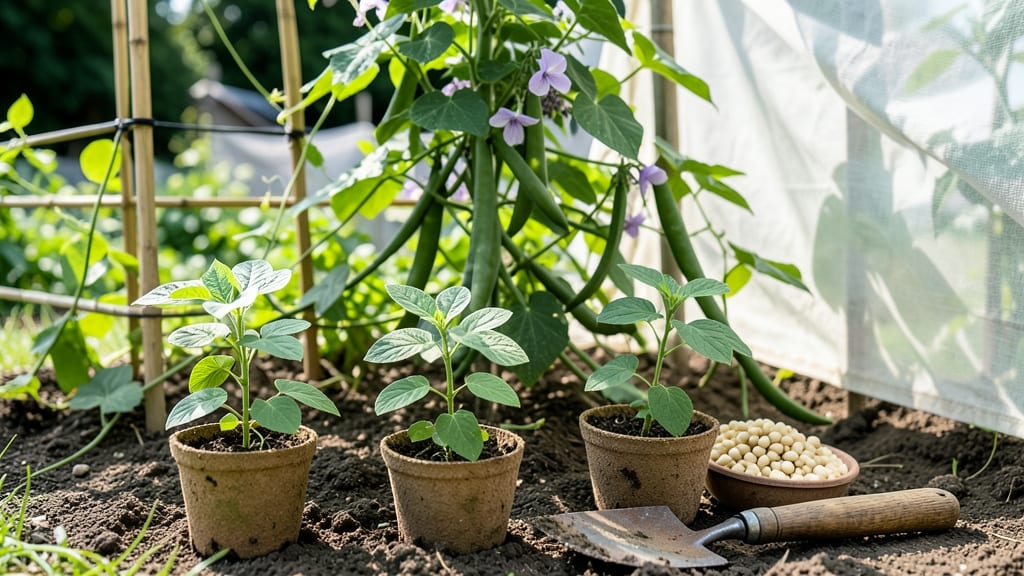
If you're planting butter beans in North Carolina, timing is everything—get it wrong, and you'll end up with bitter, bolted plants before they even reach harvest. The key to lush, productive butter beans 🌱 lies in understanding your soil's temperature and local frost dates, not just the calendar.
Most gardeners in zones 7a-8b assume April is the only window, but that’s where things go sideways. Butter beans need warm soil (60°F+) to germinate properly, and planting too early can trigger that dreaded bolting—when plants flower and pod prematurely.
I’ll show you exactly when to plant for maximum yield, whether you're in the Coastal Plain or the Mountains.
You’ll also discover how to prep your soil for success, choose the right varieties for NC’s heat, and use simple tricks like mulching to keep your plants happy through summer. No more guessing—just a foolproof plan to grow tender, sweet butter beans from July through October.
Ready to skip the trial-and-error? Let’s dive into the science-backed timeline that’ll have your butter beans thriving instead of bolting before their time.
NC butter bean planting calendar: soil temperature rules to prevent bolting
Timing is everything when planting butter beans in North Carolina—especially if you want to avoid the dreaded bolting that turns sweet pods into bitter seeds. The key? Soil temperature. Butter beans need 50-60°F soil to germinate but thrive best when soil hits 70-85°F for steady growth.
Plant too early, and you risk frost damage; too late, and heat stress triggers early flowering.
North Carolina’s three distinct climate zones—Coastal, Piedmont, and Mountains—each have unique frost dates and soil warming patterns. Coastal areas warm faster, while mountain regions stay cooler longer. This means your planting window can vary by 2-3 weeks depending on elevation.
Always check your local last frost date (typically mid-March to early April in most of NC) before breaking out the seeds.
Here’s the golden rule for NC gardeners: Wait until soil temperatures consistently reach 60°F at a 4-inch depth, and the air temperature stays above 55°F at night. Use a soil thermometer—they’re cheap and save you from guesswork.
Pro tip: Morning soil temps are 2-3°F cooler than afternoon readings, so check in the late morning for accuracy.
| Climate Zone | Last Frost Date | Ideal Planting Window | Soil Temp Goal | Key Risk |
|---|---|---|---|---|
| Coastal (Zone 8a-8b) | Mid-March | April 1 - April 30 | 60-65°F | Late-season heat stress |
| Piedmont (Zone 7a-7b) | Early April | April 15 - May 15 | 60-70°F | Early frost |
| Mountains (Zone 6a-7a) | Late April | May 1 - June 1 | 65-75°F | Short growing season |
For Coastal NC, the window opens earlier—think early April—but don’t rush. Soil in Wilmington or Morehead City warms quickly, but a cold snap in late April can still stall germination.
In the Piedmont, Raleigh and Greensboro gardeners should aim for mid-April to early May to balance frost risk and heat tolerance. Meanwhile, mountain regions like Asheville or Boone need to wait until late May to ensure soil stays warm enough.
If you’re eager for a second harvest, consider a late summer planting (around July 15) for Coastal and Piedmont zones. Choose heat-tolerant varieties and use shade cloth to protect seedlings from intense afternoon sun.
Just remember: Butter beans planted after August 1 in most of NC won’t have enough time to mature before frost.
Another pro move? Use black plastic mulch to warm soil faster in cooler zones. Lay it down 1-2 weeks before planting to raise soil temps by 5-10°F, giving your butter beans a head start.
Pair this with row covers for early plantings to shield seedlings from unexpected 50°F nights, which can shock young plants.
Watch for yellowing leaves or stunted growth—these are red flags that your soil might be too cold. If you see this, wait 1-2 weeks before replanting. Patience here pays off with longer vines and more pods.
And if you’re in a microclimate (like a sunny slope), you might shave 10-14 days off the standard planting window.
For container gardening, stick to the same soil temp rules but use heat-absorbing pots (black or dark-colored). These can warm up 2-3°F faster than lighter containers. Just ensure pots have drainage holes to prevent waterlogging, which butter beans hate almost as much as cold soil.
Finally, mark your calendar for July 4th weekend—this is when many NC gardeners start seeing their first butter bean flowers. If you’ve planted correctly, you’ll have 60-75 days of harvest ahead.
Miss the window, and you’ll be left with woody pods and tough seeds—a fate no gardener wants.
Butter bean varieties that thrive in NC heat: bolt-resistant picks
North Carolina’s hot summers and humid springs can turn butter beans into bitter, bolted disappointments—unless you pick the right varieties. Heat-tolerant types like 'Contender' and 'Henderson' stay productive longer, while bolt-resistant strains like 'King of the Garden' delay flowering until you’re ready for harvest.
Choosing the best variety for your NC microclimate (Coastal, Piedmont, or Mountains) is your first line of defense against early flowering.
For Coastal NC, where summers linger hot and humid, opt for 'Contender' or 'King of the Garden'. These varieties handle 90°F+ temperatures better than standard types, giving you a 2-3 week extension in the growing season.
In the Piedmont, where nights cool slightly, 'Henderson' and 'Purple Queen' shine—their darker foliage reflects extra heat while maintaining vigor.
Mountain regions with shorter summers benefit from 'Early Contender' or 'Romano', which mature faster (60-70 days) and tolerate cooler nights. Always check seed packets for "heat-tolerant" or "bolt-resistant" labels—these keywords save you from wasted effort.
Pro tip: Save seeds from your best-performing plants to create a localized, climate-adapted variety over time.
Avoid standard butter bean varieties labeled for "cool climates"—they’ll bolt by June in NC. Instead, prioritize heirloom or hybrid seeds bred for Southern heat. For example, 'Contender' produces 30% more pods in 90°F+ weather than generic types.
If you’re in Zone 8a (Coastal), push your planting to late April to align with soil warming; in Zone 7b (Mountains), wait until mid-May to avoid frost surprises.
Seed-saving is a game-changer for NC gardeners. After harvest, let your best-performing plants dry completely, then store seeds in a cool, dark place. Next year, plant these locally adapted seeds for even better heat resistance.
I’ve seen second-generation seeds from my garden outperform store-bought varieties by 2-3 weeks in maturity.
For container growing in urban NC spots, choose 'Romano' or 'Early Contender'—their compact size fits 5-gallon pots while delivering high yields. Just ensure pots have drainage holes and use heat-retentive fabric to protect roots from temperature swings.
With the right variety, you’ll turn NC’s heat from a liability into a productivity powerhouse.