
Plants
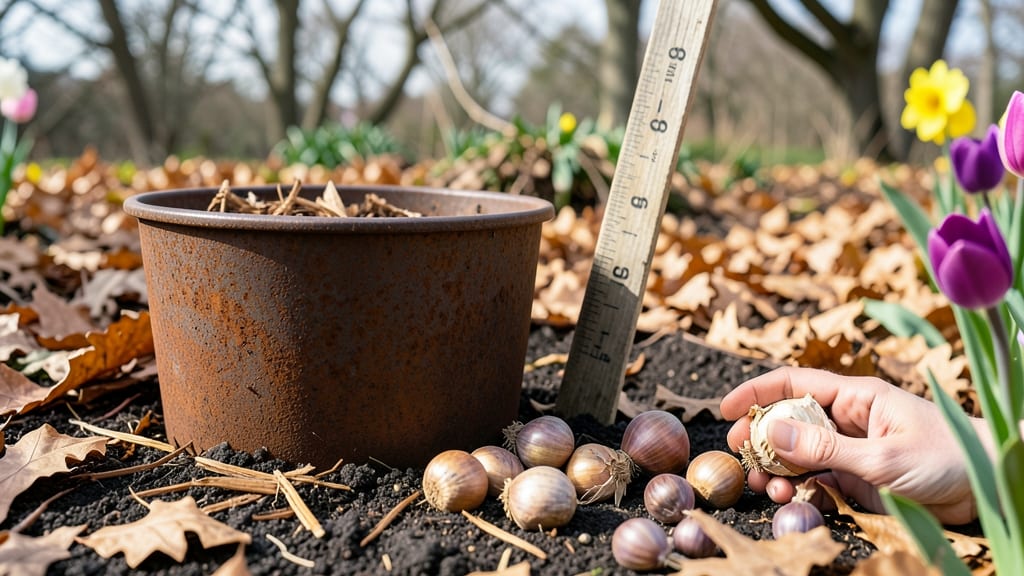
Timing your bulbs (general) 🌷 planting in Maryland could mean the difference between a showstopping spring garden and a missed opportunity. The perfect window for planting—typically between September and November—lets these hardy plants establish roots before winter’s chill sets in.
Maryland’s 6a-7b climate demands precision: plant too early, and frost may damage tender shoots; too late, and bulbs won’t anchor properly. I’ll break down the exact months for your zone, plus soil prep tricks to ensure your tulips, daffodils, and hyacinths burst through next spring with zero frost risk.
Whether you’re a seasoned gardener or just starting, this guide covers everything from ideal soil temperatures to adjusting for Maryland’s unpredictable weather. You’ll learn how to outsmart late freezes and protect your bulbs—so you can enjoy vibrant blooms year after year.
Ready to transform your garden? Let’s dive into the exact steps to plant bulbs at the right time, every time, so your efforts pay off in full, colorful blooms.
Maryland’s exact bulb planting months by hardiness Zone (6a, 6b, 7a)
Maryland’s USDA Zones 6a-7a mean your bulb planting window shifts slightly depending on where you live. In Zone 6a (northern MD), aim for late September to mid-November—this gives bulbs 6-8 weeks to root before frost.
For Zone 7a (southern MD), you’ve got a little more flexibility: October through December, but stop by early December to avoid soggy soil from winter rains.
Most fall-planted bulbs (like tulips, daffodils, and crocuses) need 40–50°F soil temps to root. Use a soil thermometer—if temps drop below 40°F, cover bulbs with straw mulch to insulate them.
Maryland’s first frost typically hits November 15, but early freezes can sneak in, so don’t wait too long!
Spring-flowering bulbs like daffodils and hyacinths are tougher—they can handle late frosts (even 20°F for daffodils!). For spring planting, wait until late February to early March when soil thaws but before shoots emerge. This avoids rot from cold, wet soil.
Here’s the golden rule: Plant 6 weeks before ground freezes in fall, and after last frost in spring. Maryland’s last frost date averages April 15, but microclimates (like near water or hills) can vary by 2 weeks—check your local Cooperative Extension data for precision.
Pro tip: Test your soil first! Maryland’s clay-heavy soils drain poorly, which can drown bulbs. Amend with compost or sand to improve drainage. A pH of 6.0–7.0 is ideal for most bulbs—test kits cost $10 and save you from struggling blooms.
🌱 Maryland Bulb Planting Calendar by Zone
| Zone | Ideal Planting Window | Soil Temp Goal | Notes |
|---|---|---|---|
| 6a (Northern MD) | Late September–Mid-November | 40–50°F | Plant by Nov 1 for best results |
| 6b (Central MD) | October–Early December | 45–50°F | Can handle late November planting |
| 7a (Southern MD) | October–Mid-December | 50–55°F | Stop by Dec 1 to avoid soggy soil |
| Spring Planting (All Zones) | Late February–Early March | 45–50°F | Plant after last frost, before shoots appear |
For Maryland’s most reliable bulbs, prioritize daffodils (Zone 3–10), tulips (Zone 3–8), and crocuses (Zone 3–8). These handle our winter lows (often 10–20°F) like champs. Avoid tender bulbs like gladiolus or canna lilies—they’re not cold-hardy enough for Maryland winters.
One more pro move: Plant in layers! After placing your fall bulbs, tuck in spring-planted bulbs (like alliums) in the same hole. The spring blooms will peek through fall mulch come March, giving you year-round color with zero extra space.
Remember: Bulbs need time to root before winter. If you’re in Zone 6a and November hits early, don’t wait—get those bulbs in the ground by October 15 at the latest. Patience pays off with bigger, brighter blooms next spring!
How to choose the perfect planting depth and spacing for Maryland bulbs
Getting the planting depth and spacing right is just as critical as timing. Maryland’s clay-heavy soils and variable winters demand precision—too shallow, and bulbs rot; too deep, and they struggle to bloom. The golden rule? Plant bulbs 2–3 times their height deep, with 3–6 inches of space between each.
For example, tulip bulbs (6 inches tall) need 12–18 inches of soil above them, while daffodil bulbs (8 inches tall) should sit 16–24 inches deep. This ensures roots anchor securely before winter sets in.
Maryland’s Zone 6–7 climate means bulbs must establish roots 6–8 weeks before frost—usually by late October.
Maryland’s heavy clay soils can suffocate bulbs, so always amend planting holes with compost or sand to improve drainage. If your soil is particularly dense, consider planting in raised beds or well-draining containers to mimic ideal conditions.
This is especially true for Zone 6a areas, where winters are colder and wetter.
Spacing matters too—crowded bulbs compete for nutrients, leading to smaller blooms or no flowers at all. For show-stopping displays, space bulbs 6 inches apart in groups of 3–5.
This creates a natural, lush look while preventing disease spread. In woodland gardens, where shade is an issue, closer spacing (3–4 inches) works for crocuses or snowdrops.
After planting, water deeply to settle the soil and encourage root growth. In Maryland’s humid fall, avoid overwatering—bulbs rot if soil stays soggy. A light mulch (2–3 inches of straw or leaves) helps insulate roots during winter temperature swings, which are common in Zone 7a.
This simple step can mean the difference between vibrant spring blooms and missed flowers.
Pro tip: Mark your bulb beds with stakes or flags so you don’t accidentally dig them up when spring planting season rolls around. Many gardeners forget where they planted bulbs, and tulips or hyacinths can be confused for weeds if left unmarked. A little planning now saves headaches later!