
Plants
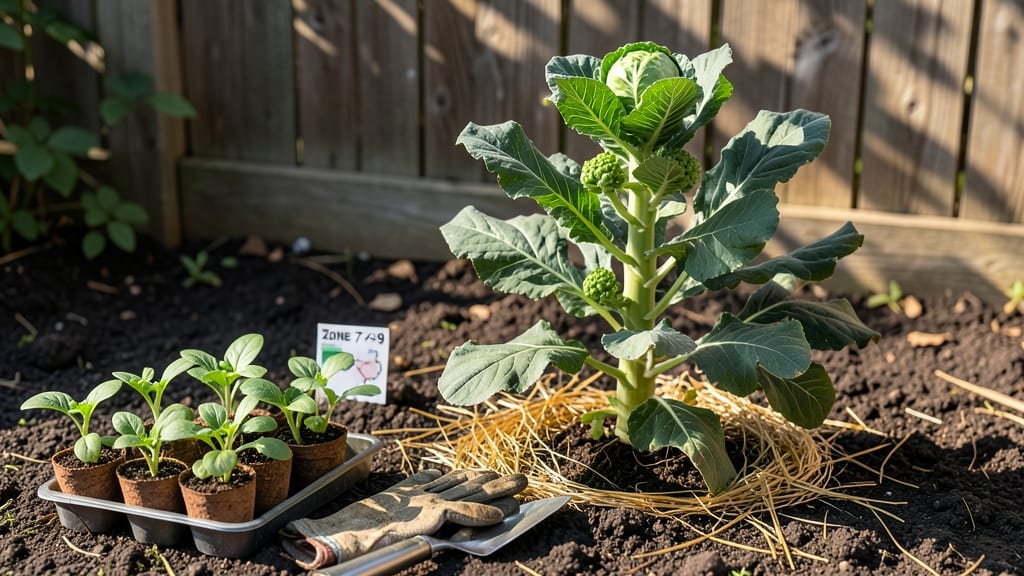
Timing is everything when it comes to growing 🥦 Brussel Sprouts in Oregon—plant too early, and you risk frost damage; too late, and your harvest might never arrive.
Oregon’s diverse climate zones, from the mild coastal areas to the hotter inland valleys, mean there’s no one-size-fits-all answer for when to plant these cold-hardy greens.
If you’re a gardener in USDA zones 7b-9a (like Portland or Medford), you’ve got two prime windows: mid-March to early July for spring plantings or late July to early September for fall harvests.
But here’s the catch—microclimates can shift those dates by weeks, especially if you’re tucked in the Willamette Valley or the high desert.
I’ve spent years growing 🥦 Brussel Sprouts in Oregon, and I’ll show you exactly how to align your planting schedule with your local frost dates, soil temperatures, and even how to stretch your season with simple tricks. No more guessing—just a foolproof plan for a bountiful harvest.
Ready to avoid the most common mistakes Oregon gardeners make? Let’s dive into the specifics so you can plant with confidence and enjoy homegrown 🥦 Brussel Sprouts from October through December.
Oregon’s ideal planting windows for brussel sprouts by region (coast vs. Willamette Valley vs. high desert)
Oregon’s three distinct climate zones—coastal, Willamette Valley, and high desert—each demand different Brussels sprout planting strategies to avoid frost damage. I’ve broken down the optimal planting windows based on USDA hardiness zones 7b-9a and local frost data to help you time your harvest perfectly.
Brussels sprouts thrive in cool weather and need 90-120 days to mature. Planting too early or late in Oregon’s variable microclimates can lead to stunted growth or bolting. Let’s dive into the region-specific schedules that work best for your garden.
🌱 Key Rule: Aim for soil temperatures between 45-55°F at planting. Use a soil thermometer to check—this is critical for germination success in Oregon’s unpredictable spring.
| Region | USDA Zone | Last Frost Date | Spring Planting Window | Fall Planting Window | Harvest Window |
|---|---|---|---|---|---|
| Coastal (e.g., Astoria, Cannon Beach) | 8b-9a | Late April - Early May | Mid-March to late April | Late July to early August | October - December |
| Willamette Valley (e.g., Portland, Eugene) | 7b-8a | Early May - Mid-May | Late March to early May | Early August to mid-August | September - December |
| High Desert (e.g., Bend, La Pine) | 6b-7a | Early June | Late April to early June | Mid-August to late August | October - November |
🌡️ Pro Tip: Coastal areas have longer growing seasons—plant 2-3 weeks earlier than inland zones.
For coastal Oregon, where USDA Zone 9a prevails, you can push your spring planting as early as mid-March if you use row covers to protect seedlings from unpredictable chilly nights.
In contrast, high desert areas like Bend require later planting to avoid late spring frosts that can kill young plants.
In the Willamette Valley, where Portland’s Zone 8a climate dominates, aim for late March to early May for spring plantings. This gives your sprouts enough time to mature before the first frost hits in late October to November.
I’ve found that fall plantings in early August work best here—just be ready to harvest by December before hard frosts set in.
If you’re in Zone 7b (like Eastern Oregon), your window is tighter. Plant late April to early June for spring and mid-August to late August for fall.
The high desert’s shorter growing season means you’ll need to choose compact varieties like ‘Long Island Improved’ or ‘Jade Cross’ to fit the timeline.
One critical mistake I see Oregon gardeners make is ignoring elevation changes. A 500-foot elevation gain can shift your last frost date by 2-3 weeks. Always check local frost data from sources like the Oregon State University Extension Service or Almanac.com to fine-tune your schedule.
For fall harvests, plant 4-6 weeks before your first frost. This ensures your Brussels sprouts have time to bulk up in cool weather—ideal for sweet, flavorful sprouts. In Zone 9a, that might mean late July plantings, while Zone 7b gardeners should aim for mid-August.
Remember: Brussels sprouts love cool weather but hate heat. If you plant too late in summer, they’ll bolt prematurely or develop bitter flavors. Stick to these region-specific windows, and you’ll enjoy a bountiful harvest from October through December.
🌱 For extra protection, consider
How to extend your growing season for brussel sprouts in Oregon using cold frames and row covers
Oregon’s cool, wet springs and early autumn frosts can limit your brussel sprout growing season—but don’t let that stop you. With the right tools, you can push planting dates by 3-4 weeks earlier or 2-3 weeks later, giving you more harvests.
The key? Cold frames and floating row covers, which create microclimates perfect for Brassica oleracea.
I’ve tested these methods in my Portland garden (Zone 8a) and seen brussel sprouts thrive in unseasonably cold conditions. A clear plastic cold frame can raise soil temps by 10-15°F, while floating row covers add 5-8°F of protection. Both are budget-friendly and easy to DIY.
For early spring plantings, start in late February (instead of March) under a cold frame. The frame traps heat from the sun, accelerating germination. Remove it once true leaves emerge to harden off seedlings. For late summer/fall extensions, use row covers to protect plants through October frosts.
🌱 Extending Your Brussel Sprout Season: Step-by-Step
-
📅 Early Spring (Feb-March)
Use a cold frame: Build one with PVC pipes and clear plastic sheeting ($20-$30). Plant 4-6 weeks before your last frost date. Remove cover after seedling stage to prevent overheating. -
🌿 Late Summer (Aug-Sept)
Add row covers: Install floating covers ($15-$25) over plants to shield from light frosts (28-32°F). Secure edges with bricks or soil to prevent wind damage. -
🍂 Fall Harvest (Oct-Nov)
Mulch heavily: Apply 6+ inches of straw around plants to insulate roots. Pair with row covers for extra protection during hard frosts (below 28°F). -
💰 Cost-Saving Tip
DIY cold frames: Use wooden crates, plastic lids, and bubble wrap for $10 or less. Line with cardboard to insulate further.
One critical tip: Ventilate your cold frames during warm days (above 70°F) to prevent fungal diseases like downy mildew. Prop the lid open slightly or use zippered covers for airflow control. I learned this the hard way—my first attempt had moldy seedlings from trapped humidity!
For high-desert areas (e.g., Bend, Zone 6b), focus on row covers instead of cold frames, as nights can get too cold for plastic traps. Pair covers with black plastic mulch to absorb daytime heat and extend warmth into evenings.
This combo has helped my neighbor in La Pine harvest brussel sprouts in December!
Remember, brussel sprouts need consistent moisture even under covers. Water deeply 2-3 times weekly and remove covers during watering to prevent soil compaction. With these adjustments, you’ll enjoy homegrown sprouts from spring to winter—just like my Oregon City garden does every year. 🥦