
Plants
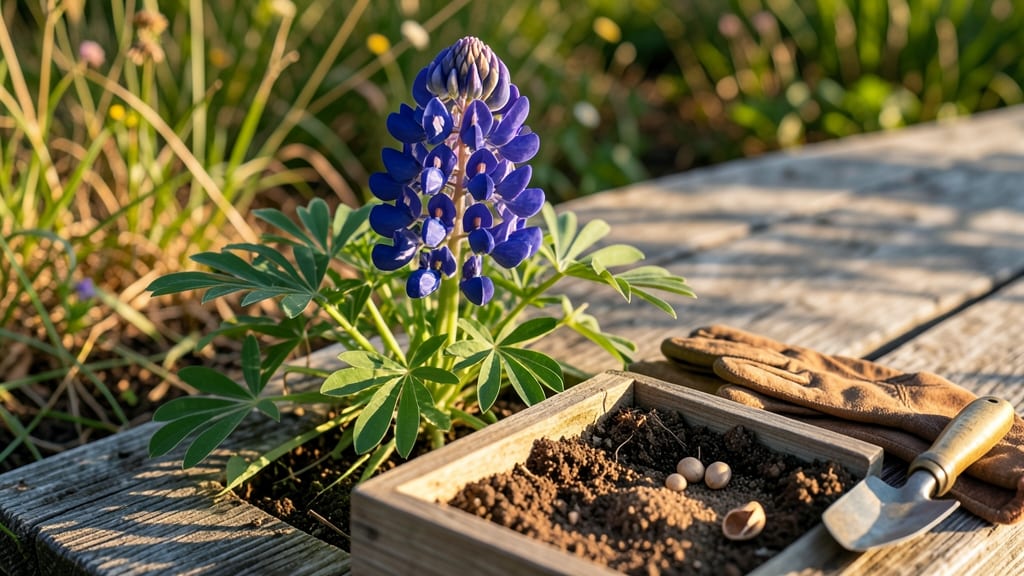
Planting bluebonnets at the wrong time in North Texas can mean the difference between a stunning spring carpet of 🌸 bluebonnets and a season of disappointment.
The key isn't just picking a month—it's understanding when your soil warms up enough for those tiny seeds to germinate quickly, before winter sets in.
For gardeners in zones 7b-8a, timing matters more than you might think. Late September through November offers the perfect window to get seeds in the ground when temperatures are just right—55-65°F—and rainfall patterns favor growth.
But rush it, and frost will nip your dreams before they even sprout.
I've learned the hard way that planting too early can leave seeds sitting dormant, while waiting too long risks missed opportunities. The solution? A smart approach that aligns with North Texas' unpredictable spring weather and soil conditions.
Let me show you exactly how to time it right for fast germination and vibrant blooms next spring.
Whether you're a seasoned gardener or just starting, these insights will help you avoid common mistakes and create the perfect conditions for your bluebonnets to thrive. Ready to transform your landscape with that iconic Texas blue? Let's get started.
North Texas bluebonnet planting timeline: soil temperature rules over calendar dates
Bluebonnets (Lupinus texensis) thrive in North Texas when planted at the right time, but the soil temperature matters more than the calendar date. These native wildflowers need 55–65°F soil to germinate—any cooler, and your seeds will languish.
In USDA Zones 7b–8a, this typically aligns with late September through November, but microclimates can shift those windows by weeks.
For example, Dallas' urban heat islands may allow planting in early September, while rural areas like Lubbock might need to wait until mid-October. The key is planting 4–6 weeks before your first frost—usually mid-November in North Texas—to give seeds time to establish roots before winter dormancy.
Here’s how to check soil readiness: Use a soil thermometer (or a meat thermometer) to test at 2-inch depth. If it’s below 55°F, wait. Pro tip: Morning readings are most accurate since afternoon sun can skew temperatures higher.
Bluebonnets are drought-tolerant once established, but they need consistent moisture during germination. Planting in fall takes advantage of cooler temps and natural rainfall, reducing irrigation needs. However, if you live in a dry microclimate, consider a light mulch layer to retain soil moisture.
Timing also affects bloom time. Seeds planted in late September will often bloom earlier in spring (March), while those sown in November may wait until April or May. This staggered planting creates a longer display season—perfect for roadside meadows or garden borders.
🌸
| Planting Window | Soil Temp Requirement | North Texas Microclimate Notes | Bloom Time |
|---|---|---|---|
| Late September | 55–65°F | Urban areas (Dallas, Fort Worth) | March–April |
| October | 55–65°F | Most of North Texas | April |
| November (Early) | 50–60°F | Rural areas (Lubbock, Amarillo) | May |
| December (Late) | 45–55°F | High elevations (Hill Country) | June |
If you miss the fall window, December planting is still possible in Zone 8a, but germination slows dramatically. Seeds may not sprout until spring, delaying blooms until summer. For best results, stick to the September–November window—this ensures robust root systems before winter.
North Texas’ unpredictable rainfall can also impact timing. Plant in early fall if your area typically gets steady October rains, but delay if drought is forecasted. A light sprinkle after planting helps settle seeds, but avoid waterlogging—bluebonnets hate soggy soil.
For large-scale plantings, like roadside meadows, divide seeds into two batches: Plant half in September and half in October to extend the bloom season. This technique also reduces competition for resources, leading to healthier plants and brighter flowers.
🌿
North Texas bluebonnet planting timeline: soil temperature rules over calendar dates
Bluebonnets (Lupinus texensis) thrive in North Texas when planted during the fall window—but here’s the secret: soil temperature, not just calendar dates, determines success. Seeds need 55–65°F soil to germinate reliably.
In North Texas’ USDA Zones 7b–8a, this typically aligns with late September to November, but cooler microclimates (like the Dallas-Fort Worth metroplex) may shift your timeline 1–2 weeks later.
Why? Cool soil slows germination, while hot summer soil can bake seeds before they sprout. The goal is to plant 2–4 weeks before the first frost (usually mid-November in North Texas) to give roots time to establish.
Miss this window, and you risk frost damage or weak seedlings that struggle to bloom next spring.
| Planting Window | Soil Temp (°F) | North Texas Zones | Key Tip |
|---|---|---|---|
| Late August–Early September | 65–75°F | 8a (e.g., Amarillo) | Risk of summer heat stress; best for high-elevation areas. |
| Late September–October | 55–65°F | 7b–8a (e.g., DFW, Waco) | Optimal window for germination and root growth. |
| November (Early) | 50–55°F | 7b (e.g., East Texas) | Plant 4+ weeks before frost; use mulch to insulate soil. |
To test your soil temperature, use a soil thermometer (or a candy thermometer) and check 2–3 inches deep—this is where seeds will germinate. If temps are below 55°F, wait 1–2 weeks or use a cold frame to warm the soil.
Pro tip: Morning soil temps are 5–10°F cooler than afternoon, so check in the late afternoon for accuracy.
North Texas’ unpredictable rainfall adds another layer. Plant after 1–2 weeks of dry weather to prevent seeds from washing away or rotting. Aim for 0.5–1 inch of rain per week post-planting, or water gently with a fine mist to keep soil moist (not soggy) until germination (2–4 weeks).
Overwatering here is a common mistake—bluebonnets hate waterlogged soil.
For high-elevation areas (e.g., Hill Country), push planting to early October—cooler nights delay soil warming. Conversely, in urban heat islands (like San Antonio), you might extend planting to mid-November if soil stays warm.
Always scout your local nursery for seed packets labeled “North Texas-adapted” to ensure variety-specific timing.
Remember: Bluebonnets are perennials, but they self-seed prolifically. If you plant too late, you’ll still get some blooms the following spring—but fewer seedlings and weaker growth. The sweet spot is October: warm enough for roots, cool enough for dormancy, and just 6–8 weeks until winter sets in.