
Plants
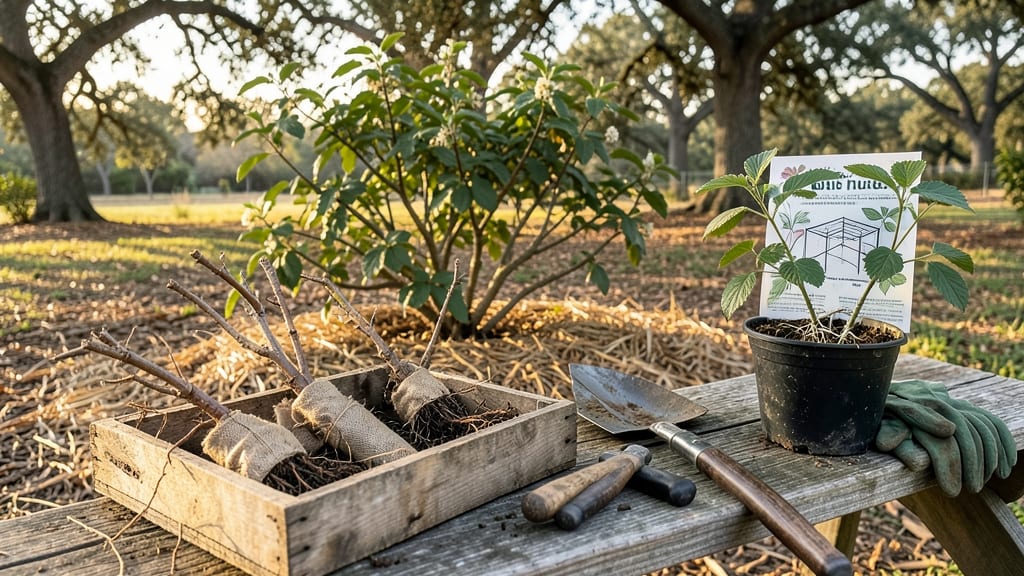
Timing your blackberry planting in Texas isn't just about following a calendar—it's about outsmarting the state's unpredictable climate.
Whether you're in the cooler 8a zones of North Texas or the balmier 10b regions near the Gulf, getting those canes in the ground at the right moment means the difference between a lush, fruiting bush and a struggling vine fighting for survival.
Most Texas gardeners swear by late winter to early spring planting, but there's a catch: fall planting can actually work better in some areas. The key lies in understanding your local frost dates—North Texas might be ready by February, while South Texas can wait until March.
And if you're planting thornless varieties, timing becomes even more critical to avoid heat stress.
I've spent years watching blackberries 🫐 thrive (and sometimes fail) in Texas gardens, and the patterns are clear. The best window isn't just about months—it's about soil temperature, rainfall, and even which side of the state you're in.
Let me break down exactly when to plant for maximum success, so you can avoid common mistakes that waste time and resources.
From preparing your soil to protecting young plants from Texas' infamous summer heat, I'll walk you through every step to ensure your blackberries get off to the strongest start possible.
Because in Texas, planting at the wrong time isn't just a minor setback—it can mean the difference between a bountiful harvest and years of disappointment.
Best planting months for blackberries in Texas by variety type
Texas gardeners face a unique challenge with blackberry planting—our variable climates and extreme heat demand precise timing. Unlike cooler states, Texas' USDA Zones 8a-10b allow for both fall and spring planting, but the best window depends on your blackberry variety and region.
Thornless varieties like Natchez or Ouachita thrive with slightly different timing than traditional thorny types.
For North Texas (Zones 8a-8b), aim for late winter (February) or early fall (September-October). South Texas (Zones 9a-10b) can plant as late as November or as early as January, thanks to milder winters.
The key is planting when soil temperatures stay above 50°F (10°C)—cold soil stunts root growth and invites disease.
Here's why timing matters: Planting too early exposes canes to late frosts (common in North Texas), while planting too late risks heat stress before roots establish. Texas' chill hours (300-600 hours below 45°F) also play a role—some varieties need these to flower properly.
🌱 Texas Blackberry Planting Windows by Variety
| Variety Type | Best Planting Months | Soil Temp Requirement | Texas Region Fit | Key Consideration |
|---|---|---|---|---|
| Thornless (e.g., Natchez, Ouachita) | September-October (Fall) or February (Spring) | 50-60°F (10-15°C) | North & Central Texas | Needs consistent moisture |
| Thorny (e.g., Chester, Triple Crown) | January-February (Spring) or October (Fall) | 45-55°F (7-13°C) | All regions | Tolerates drier soil |
| Everbearing (e.g., Arapaho, Apache) | September-October (Fall only) | 55-65°F (13-18°C) | South & Central Texas | Requires winter chill |
| Dwarf (e.g., Triple Crown Dwarf) | February-March (Spring) | 50-60°F (10-15°C) | Containers in North Texas | Needs trellis support |
💡 Pro Tip: Fall-planted canes establish roots before summer heat, while spring planting gives canes a full growing season to mature.
For North Texas, prioritize fall planting (September-October) to avoid spring heat waves that can stress young canes. In South Texas, where winters are mild, January planting works well for thorny varieties like Chester, which handle the region's higher humidity better than thornless types.
Soil preparation is equally critical. Amend your soil with compost and a balanced fertilizer (10-10-10) before planting. Blackberries thrive in slightly acidic soil (pH 5.5-6.5), so test your soil and adjust with sulfur if needed. In Texas' alkaline soils, this step is non-negotiable for healthy growth.
Another Texas-specific tip: Use black plastic mulch in spring plantings to warm soil faster and suppress weeds. This is especially helpful in East Texas, where clay soils stay cold longer. Pair this with a drip irrigation system to maintain consistent moisture—blackberries hate soil drought stress during fruiting.
If you're planting in containers (great for urban Texas gardens), choose dwarf varieties like Triple Crown Dwarf and plant in February-March. Containers heat up faster in Texas sun, so use light-colored pots and self-watering systems to prevent root burn.
One common mistake Texas gardeners make is planting too late in spring (April or later). By then, summer's 100°F+ temperatures can shock canes before roots establish. Always check your local frost dates—North Texas' last frost averages February 15, while South Texas rarely sees frost after January
How Texas heat and chill hours affect blackberry planting success
Texas' extreme heat and variable chill hours can make or break your blackberry planting success.
Unlike cooler climates, Texas' USDA Zones 8a–10b mean blackberries need careful timing to avoid heat stress or poor dormancy. Thornless varieties like 'Natchez' or 'Arapaho' handle heat better than traditional types, but all need adequate winter chill to flower properly.
Most Texas regions receive 300–600 chill hours (below 45°F), but Hill Country areas often get fewer than Gulf Coast regions.
If your area has less than 400 chill hours, choose everbearing varieties like 'Oregon Evergreen' that produce without strict dormancy needs. Spring plantings in hotter zones risk heat shock, while fall plantings give roots time to establish before summer.
🌡️ Key Challenge: Texas' sudden temperature swings—from 90°F days to 30°F nights—can stress young canes. Mulching with straw or wood chips (3–4 inches deep) helps regulate soil temps and retain moisture. Without protection, newly planted canes may suffer sunburn or root rot.
Blackberries thrive with 600+ chill hours, but Texas' shorter winters mean many gardeners must extend dormancy artificially. For fall plantings, apply a 2–3 inch layer of mulch in November to simulate cooler conditions.
In spring, hold off fertilizing until soil temps reach 60°F—applying too early can burn roots in Texas' warming soils.
🌱 Pro Tip: Test your local chill hours using a home weather station or USDA chill hour maps. If your area has fewer than 500 hours, opt for semi-everbearing varieties like 'Chester' or 'Triple Crown,' which produce two crops per year with minimal chill needs.
Watering strategies also shift with Texas heat. Newly planted canes need deep watering every 5–7 days until established, but overwatering in summer can lead to root rot.
Use drip irrigation to deliver water slowly at the base, avoiding wetting leaves—this prevents fungal diseases like anthracnose, common in Texas' humid summers.
💡 Final Insight: Texas blackberries perform best when planted in early fall (September–October) for North Texas or late winter (January–February) for South Texas. Adjust for local microclimates—e.g., Hill Country may need earlier plantings than East Texas—and always monitor soil moisture to avoid stress.