
Plants
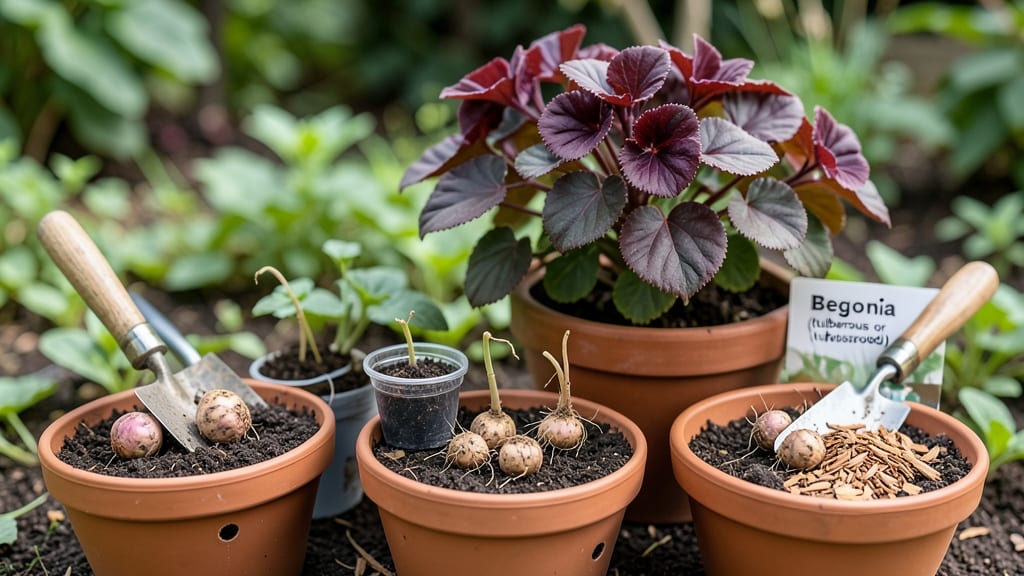
Timing your begonias in pots right means the difference between vibrant blooms and struggling plants. These delicate 🌸 beauties crave warmth and hate frost—so getting them in the ground (or containers) too early can send them into shock.
Whether you're a seasoned gardener or just starting, knowing the perfect window for planting ensures your begonias thrive all season long.
Most gardeners plant begonias after the last frost, typically in April or May in USDA Zone 6a. But here's the catch: if you live in warmer climates, you might start as early as March, while cooler regions should wait until late spring.
The key is to avoid planting when nighttime temperatures dip below 50°F—that's when begonias throw in the towel.
Starting indoors gives you a head start, especially if your area has a short growing season. You can begin sowing seeds or transplanting young begonias indoors in early spring, then move them outside once temperatures stabilize. This trick lets you enjoy blooms months earlier than if you planted directly outdoors.
Once you've got your timing down, the next step is keeping them happy. Well-draining pots, bright but indirect light, and consistent moisture will set your begonias up for success. Let's dive into the details so you can turn your patio or garden into a year-round floral paradise.
Best months to plant begonias in pots by climate zone
Planting begonias in pots at the right time ensures they thrive in your warmth-loving environment. Since begonias hate frost, timing depends on your USDA hardiness zone. In zones 9-11, you can plant year-round, but zones 3-8 need precise timing to avoid cold damage.
For most gardeners in zones 3-8, the ideal window is after your last frost date, typically April to early June. In warmer zones (9-11), you can plant as early as February for spring blooms or August for fall color.
Here’s how to align your planting with your local climate for maximum blooms and healthy growth:
| Zone | Best Planting Months | Key Considerations | Post-Planting Care |
|---|---|---|---|
| 3-5 | May-June | Wait for soil to warm to 60°F+; use black pots to absorb heat. | Move pots indoors before first frost (October). |
| 6-8 | April-May | Avoid planting before last frost; use mulch to retain warmth. | Bring pots inside before 40°F nights. |
| 9-11 | February or August | Plant early for spring blooms or late for fall color. | Protect from winter rain with covers. |
In zones 3-5, I recommend starting begonias indoors 6-8 weeks before your last frost date to give them a head start. Use grow lights if natural light is limited, as begonias need bright indirect light to thrive.
For zones 6-8, you can plant directly outdoors after May 15th, but always check your local frost dates. I’ve found that late May is the safest bet in my Zone 7 garden, where I’ve seen frost creep in as late as June 1st.
If you’re in a warmer zone (9-11), don’t hesitate to plant in February for early spring blooms. I’ve had success with Angel Wing begonias planted in late January in Zone 10, and they bloomed by March!
Regardless of your zone, always use well-draining potting mix and pots with drainage holes. Begonias hate soggy roots, so watering consistency is key. Aim to keep the soil moist but not waterlogged, especially in summer heat.
Pro tip: If you live in a hot climate, choose light-colored pots to reflect sunlight and keep roots cool. I’ve seen white pots reduce root stress by 10°F compared to black pots.
Finally, always monitor your begonias for pests like aphids and fungal issues after planting. Early intervention makes all the difference!
How to extend begonia blooming seasons with smart pot planting
Begonias in pots can bloom nearly year-round with the right timing and care. The key is staggered planting—starting some pots early indoors and others outdoors later—to create a continuous display of colorful blooms from spring through fall.
This method also helps avoid the shock of sudden temperature changes that can stress your plants.
For indoor begonia pots, begin sowing seeds or transplanting cuttings 8-10 weeks before your last frost date. This gives them time to establish roots and grow strong before moving outside.
In USDA Zones 9-11, you can plant outdoors as early as February or March, but always monitor nighttime temperatures—below 60°F can stunt growth.
Here’s how to maximize blooms with smart planting:
If you live in a cooler climate (Zones 3-7), focus on indoor pots during winter and transition them outdoors only after the last frost.
Use black plastic pots to absorb heat and mulch the soil to retain warmth—this can add 2-3 extra weeks of outdoor enjoyment before bringing them back inside.
Pro tip: Label your pots by planting date so you can track which ones are ready for transition. For example, pots planted in early April will likely need indoor care by mid-October, while those planted in June can stay out until frost.
With this strategy, you’ll enjoy non-stop begonias from late spring to early fall—or even year-round in warmer zones!