
Plants
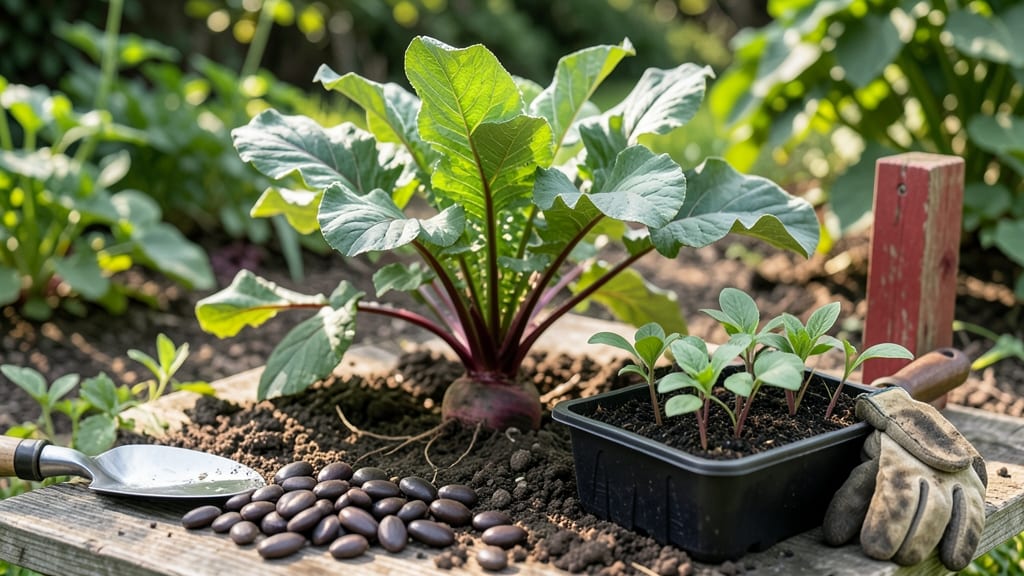
Knowing when to plant beets in CT can mean the difference between sweet, tender roots and bitter, woody disappointments. Connecticut’s Zone 6 climate throws curveballs with its unpredictable frosts, making timing everything for your 🍠 harvest.
Skip the guesswork and plant at the right moment to avoid bolting or stunted growth.
I’ve grown beets here for years, and the key is understanding your last frost date—typically around April 15—while also accounting for microclimates. Whether you’re sowing seeds in early spring or late summer, the right window ensures your beets mature before heat or frost ruins them.
In this guide, I’ll walk you through the exact frost-free planting windows for Connecticut, from soil prep to companion planting. You’ll learn how to stretch your harvest season and avoid common mistakes that turn your garden into a beet graveyard.
Ready to grow perfect beets? Let’s dive into the step-by-step timeline that’ll have you harvesting crisp, flavorful roots all season long.
Optimal planting windows for beets in Connecticut’s Zone 6 climate
Connecticut’s Zone 6 climate offers two prime windows to grow sweet, tender beets: early spring and late summer. The key is planting when soil temperatures hit 40°F but before heat stress triggers bolting.
For most of CT, this means March 15–April 15 for spring and August 1–September 1 for fall harvests.
Beets are cold-hardy but struggle with late frosts or sweltering heat. In Hartford, the average last frost date is April 15, while coastal areas like Stamford may see frost-free soil by April 1. Always check your local CT Agricultural Experiment Station updates for microclimate adjustments.
For fast-maturing varieties like ‘Detroit Dark Red’ (50–60 days), aim for 4–6 weeks before the last frost. Slower varieties like ‘Chioggia’ (60–70 days) need direct sowing in late spring to avoid bolting. Succession planting every 2 weeks extends harvests from June to November.
🌱 Pro Tip: Use row covers for early spring plantings to protect seedlings from late frosts (common in CT’s Zone 6a). Remove covers once soil warms to 50°F consistently.
📅 CT Beet Planting Timeline
| Season | Planting Window | Soil Temp | Harvest Window |
|---|---|---|---|
| Early Spring | March 15–April 15 | 40–50°F | June–July |
| Late Summer | August 1–September 1 | 50–65°F | October–November |
| Succession | Every 2 weeks | 40–70°F | June–November |
⚠️ Note: Adjust dates 1–2 weeks earlier for coastal CT (warmer microclimates) or later for inland areas.
If you’re in western CT (e.g., Waterbury), where nights stay cooler, push spring plantings to April 1 to avoid bolting. For heat-sensitive varieties, sow seeds in partial shade during July to prevent woody roots.
Always test soil pH (6.0–7.0) and amend with compost—CT’s clay-heavy soils need organic matter for optimal growth.
Variety selection matters: ‘Babybeat’ (45 days) thrives in short-season windows, while ‘Golden’ (60 days) handles late summer heat better. Pair beets with companion plants like onions or lettuce to deter pests and maximize space.
🌿 Key Takeaway: Plant beets in CT’s Zone 6 when soil is 40°F+ but before 75°F+ heat. Use row covers for early starts and succession planting for continuous harvests.
For emergency late frosts (common in CT’s Zone 6afrost cloth until soil warms. Monitor 7-day forecasts and avoid planting if frost is predicted within 3 days. With these timing tricks, you’ll enjoy crisp, sweet beets from June through November!
Optimal planting windows for beets in Connecticut’s Zone 6 climate
Connecticut’s Zone 6 climate offers two prime windows for planting beets: early spring and late summer. The key is avoiding late frosts (typically around April 15) and heat stress that causes bolting.
For Hartford, New Haven, and Stamford, these dates ensure your beets grow sweet and tender rather than woody or bitter.
Start your spring planting 4-6 weeks before the last frost date, usually between March 15 and April 1. This gives seedlings time to establish before warmer weather arrives.
For a fall harvest, plant again in late August to early September—90 days before the first frost—to enjoy roots well into October.
| Planting Window | Best Varieties | Soil Temp | Days to Harvest |
|---|---|---|---|
| Early Spring (March 15-April 1) | Detroit Dark Red, Golden | 45-55°F | 50-60 days |
| Late Summer (Aug 15-Sept 1) | Chioggia, Babybeat | 50-60°F | 45-55 days |
Adjust for microclimates—sheltered areas or urban heat islands may allow earlier planting. Test soil temperature with a soil thermometer; seeds won’t sprout below 45°F. Cold-hardy varieties like ‘Early Wonder’ tolerate light frosts, while ‘Bull’s Blood’ thrives in cooler conditions.
For urban gardeners, container planting extends flexibility. Use pots with drainage and plant 2-3 weeks later than ground planting to avoid frost damage. Mulch with straw to retain soil warmth and moisture, especially in CT’s windy spring conditions.
Missed the spring window? Don’t panic! Succession planting every 2 weeks in May-June ensures a steady harvest. Just space seeds 1 inch apart and thin to 3-4 inches when seedlings emerge to prevent competition.
Timing isn’t just about dates—it’s about soil readiness. Amend heavy clay soils with compost to improve drainage, and avoid planting in soggy ground after heavy rains. A pH of 6.0-7.0 and loose soil prevent forking roots, a common issue in CT’s dense soils.
🌱