
Plants
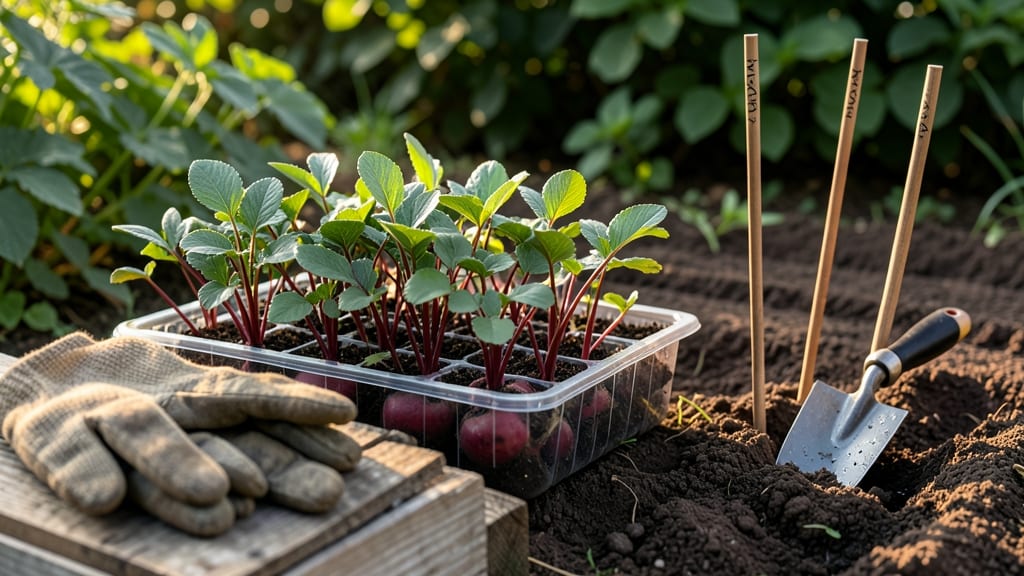
If you're wondering when to plant beets in Arkansas, timing is the secret to sweet, tender roots instead of tough, woody ones. Arkansas gardeners know that planting too early risks frost damage, while waiting too long means summer heat turns your 🍠 harvest into a disappointment.
With USDA zones 7a-8b and two ideal planting windows—early spring and late summer—you can enjoy fresh beets all year. But getting the timing right means checking frost dates and soil temperatures, especially in regions like Fayetteville or Little Rock where microclimates vary.
I’ll break down the exact frost-free windows for your area, plus pro tips to extend your harvest season. Whether you're a first-time gardener or a seasoned green thumb, these strategies will help you grow beets that are crisp, flavorful, and ready to pick at the perfect moment.
Ready to transform your garden into a beet bonanza? Let’s dive into the best planting schedule for Arkansas’s unique climate and get you harvesting by May or October.
Arkansas beet planting calendar: exact frost dates by region
Timing your beet planting in Arkansas means understanding three distinct regions with different frost patterns. The North (Fayetteville), Central (Little Rock), and South (El Dorado) all have unique last-frost dates that determine your optimal planting window.
Get this wrong, and you’ll either lose seedlings to frost or watch your beets turn woody in summer heat.
Arkansas spans USDA zones 7a-8b, meaning your last spring frost typically arrives between March 1-15, while the first fall frost hits around November 1-15. These dates create a 200-240-day frost-free growing season, perfect for two main beet plantings: early spring (February-March) and late summer (July-August).
For North Arkansas (Zone 7a), aim to plant 4-6 weeks before your last frost—usually mid-February to early March. In Central Arkansas (Zone 7b-8a), you’ve got a slightly longer window: late February to mid-March.
Meanwhile, South Arkansas (Zone 8a-8b) gardeners can start as early as late January for a head start on the season.
| Region | USDA Zone | Last Frost Date | First Frost Date | Ideal Planting Window | Harvest Window |
|---|---|---|---|---|---|
| North Arkansas | 7a | March 1-15 | November 1-15 | Mid-February to early March | May-June, October-November |
| Central Arkansas | 7b-8a | March 1-15 | November 1-15 | Late February to mid-March | May-June, October-November |
| South Arkansas | 8a-8b | March 1-15 (earlier in some areas) | November 15-December 1 | Late January to early March | April-June, October-December |
Soil temperature is just as critical as frost dates. Beets thrive when soil reaches at least 50°F, but 60°F or warmer speeds up germination. In Arkansas, this usually aligns with mid-March for most regions, but southern Arkansas can start earlier.
Use a soil thermometer to confirm—cold, wet soil delays sprouting.
For a second harvest, plant heat-tolerant varieties like 'Detroit Dark Red' or 'Chioggia' in late July to early August. These varieties handle Arkansas’s 90°F+ summers better than standard types.
Just be prepared to harvest quickly—beets bolt (go to seed) faster in heat, so aim for a 60-day harvest before temps rise too high.
Pro tip: Succession plant every 2-3 weeks in spring and fall to ensure a continuous supply of fresh beets. This works especially well in Central and South Arkansas, where the growing season is longer. Start with a small batch, then repeat as old plants mature.
If you’re in North Arkansas, consider using row covers or cold frames to extend your spring planting window. These protect seedlings from late frosts that can linger into early April. Just remove covers once soil warms consistently above 55°F to prevent overheating.
Remember, Arkansas’s humid summers mean beets need consistent moisture. Mulch with straw or grass clippings to retain soil moisture and prevent bolting—a common issue when roots dry out. Aim for 1 inch of water per week, delivered in the morning to avoid fungal diseases.
By following these region-specific guidelines, you’ll enjoy crisp, sweet beets from spring through fall—no more wasted seeds or bitter harvests! Start planning your planting calendar now, and mark those frost dates on your garden journal.
How to extend beet season in Arkansas: successive planting tips
Arkansas’s long growing season and humid summers make it possible to harvest beets twice a year—or even three times if you plan carefully. The key? Successive planting and heat-tolerant varieties that thrive in Arkansas’s USDA Zones 7a-8b.
With the right strategy, you can enjoy crisp, sweet beets from spring through fall without woody roots or bolted greens.
Most gardeners focus on early spring plantings (February-March), but late summer plantings (July-August) often yield the most flavorful harvests. The trick is choosing varieties that can handle Arkansas’s 90°F+ temperatures and high humidity.
Heat-tolerant types like 'Detroit Dark Red' or 'Golden' beets stay sweet longer, while 'Babybeat' or 'Chioggia' mature faster in summer’s heat.
🔹 ⚠️ Critical Tip: Avoid planting beets when soil temperatures exceed 85°F—they’ll bolt (go to seed) quickly. Use shade cloth (30-50%) over rows during peak afternoon heat to keep roots cool and crisp.
🌱 3 Successive Planting Strategies for Arkansas
- Early Spring (Feb-Mar): Plant 'Early Wonder' or 'Touchstone Gold' 4-6 weeks before last frost (typically March 15). Harvest by late May to avoid summer heat.
- Late Summer (Jul-Aug): Sow heat-tolerant varieties like 'Boltardy' or 'Kestrel' after July 15. Use shade cloth if temps hit 90°F+.
- Fall (Aug-Sept): For a second fall harvest, plant 'Winter Keeper' or 'Forono' by August 15. These store well in cool soil and can be harvested until first frost (Nov 15).
For container gardening in Arkansas, opt for bush varieties like 'Little Ball' or 'Napa'. Plant in 5-gallon pots with well-draining soil and move containers to partial shade during afternoon heat waves. Containers dry out faster, so water daily in summer and every other day in spring/fall.
💡 Pro Tip: Mark your planting dates on a garden calendar and adjust based on Arkansas’s microclimates. Northern regions (e.g., Fayetteville) can plant 2 weeks earlier than southern areas (e.g., El Dorado). Use row covers in early spring to warm soil faster and extend the season.
To maximize your harvest, interplant beets with fast-growing companions like radishes (harvest in 30 days) or lettuce. This space-saving trick lets you rotate crops without wasting garden real estate. Just avoid planting beets near pole beans or pole beans, which compete for nutrients.
With these successive planting tips, you’ll enjoy homegrown beets from March through November—no grocery store needed! 🌱