
Plants
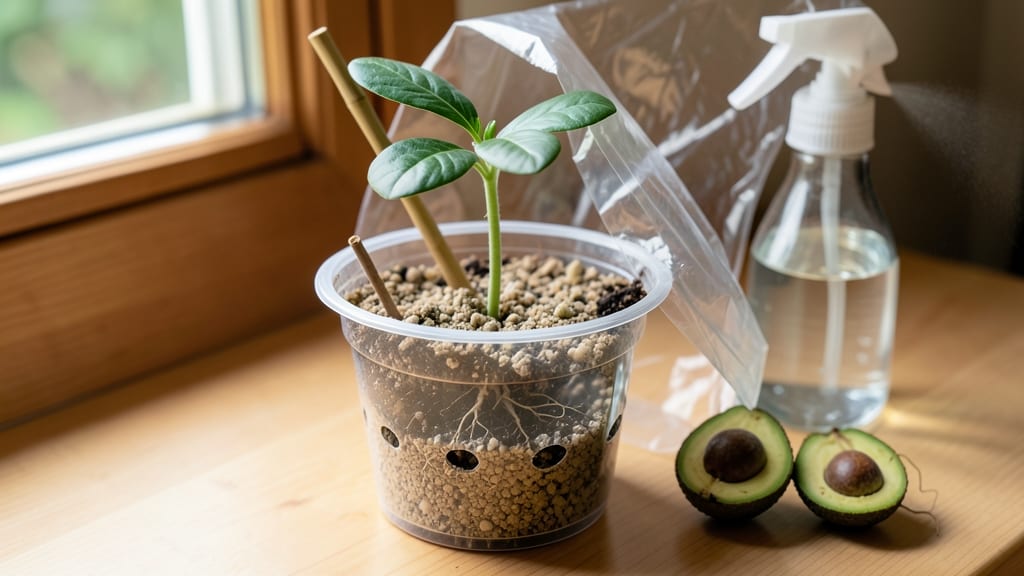
Planting your avocado seed in dirt at the wrong time can mean waiting months—or even years—for that first leaf to peek through.
The key to fast germination isn’t just luck; it’s about understanding when your 🥑 Avocado Tree seed is primed for soil, whether you're in a warm climate or a cooler zone like USDA 6.
Most gardeners assume you can pop that seed in dirt anytime, but timing matters more than you’d think. Spring is your golden window—especially in March or April—when soil temperatures hit that sweet spot of 65-85°F for optimal root growth.
But if you’re starting indoors or live in a chilly region, you’ll need a few extra tricks to jumpstart the process.
I’ve tested the best methods for transitioning from water to soil without shocking those delicate roots, and I’ll share exactly what works—plus how to troubleshoot if your seed takes longer than expected. Whether you’re a first-timer or a seasoned grower, these insights will cut your wait time in half.
Ready to turn that pit into a thriving tree? Let’s break down the seasonal secrets that make all the difference between a thriving sprout and a sad, stagnant seed.
Best time of year to plant avocado seed in soil for fast germination
Timing is everything when planting an avocado seed in dirt. Unlike mature trees, seeds thrive in warm soil and consistent moisture—conditions that align perfectly with spring planting in most climates.
In USDA Zones 9-11, you can plant year-round, but cooler zones (like Zones 6-8) need spring warmth (after last frost) to avoid rot or dormancy.
Avocado seeds germinate best when soil temperatures stay between 65°F and 85°F. This range mirrors late March to early May in temperate regions. Planting too early risks cold soil, which slows root growth, while waiting too long may expose seedlings to summer heat stress if not acclimated.
If you live in a tropical climate, you can plant anytime, but spring still offers ideal humidity and reduced pest pressure. For indoor starters, transition to dirt when roots reach 2-3 inches long—typically 4-6 weeks after sprouting.
🌱 Avocado Seed Planting Conditions by Season
| Season | Ideal Soil Temp | Planting Window | Climate Notes |
|---|---|---|---|
| Spring | 65–85°F | March–May | Best for most zones; avoid frost |
| Summer | 70–90°F | June–August | Risk of overheating; needs shade |
| Fall | 60–75°F | September–October | Possible in warm zones; slow growth |
| Winter | 55–65°F | November–February | Avoid; seeds may rot or stall |
For cooler climates, accelerate germination by pre-sprouting seeds in water (roots form in 2-6 weeks) before planting. This head start ensures roots adapt to soil faster. If you miss spring, late summer is your second-best window, but provide afternoon shade to protect tender seedlings.
Regional differences matter: In Florida or California, plant anytime, but in New York or Texas, wait until soil warms to 70°F+. Use a soil thermometer to check—it’s your best tool for success. Pro tip: Mix perlite or sand into soil to improve drainage and prevent rot.
Myth-busting: You’ve heard "avocado seeds grow anytime"—but that’s only true in tropical zones. In temperate climates, winter planting fails 90% of the time due to cold soil. Stick to spring for reliable results, and your seedling will reward you with faster, stronger growth.
Once planted, maintain consistent moisture (not soggy) and place in bright, indirect light for the first 2 weeks. Avoid direct sun until leaves harden—this prevents leaf scorch. Patience pays off: With the right timing, your avocado seed will sprout in 4-8 weeks and thrive for years.
🌱
Best time of year to plant avocado seed in soil for fast germination
Avocado seeds thrive when planted in warm soil between 65°F to 85°F. In most U.S. regions, this means spring planting (March-April) after the last frost—typically 2-4 weeks before your area’s average last frost date.
For example, in USDA Zone 8-10, you can plant as early as February, while cooler zones (6-7) should wait until late April or May.
Fall planting is possible in mild climates (Zones 9-11) during September-October, but germination slows below 60°F. If you live in a frost-prone area, avoid fall planting—avocado seeds won’t tolerate cold soil.
Instead, start seeds indoors in water 8-10 weeks before your last frost, then transplant after roots reach 2-3 inches.
| Season | Ideal Planting Time | Soil Temp | Germination Time |
|---|---|---|---|
| Spring | March-April (after frost) | 65-85°F | 4-8 weeks |
| Fall | September-October (Zones 9-11) | 60-70°F | 8-12 weeks |
| Indoor Start | Year-round (transplant spring) | 70-75°F (water method) | 6-10 weeks |
If you’re in a cooler climate, use a heat mat or plant in a south-facing window to maintain soil temps. For container growing, move pots outdoors during the day and bring them inside at night until roots are established.
Avoid planting in winter or early spring—cold soil (<50°F) causes rot before sprouting.
Pro tip: Test soil warmth by pressing your hand into the ground. If it feels lukewarm to warm (like a hot bath), it’s ready. For sandy soil, mix in compost or coconut coir to retain moisture and warmth.
In clay soil, amend with perlite or vermiculite to improve drainage and airflow.
Timing isn’t just about the calendar—it’s about soil conditions. Wait until the ground is workable but not soggy. Press your finger into the soil: if it crumbles easily, it’s ready.
If it sticks, wait 1-2 weeks for it to dry out. Overwatered soil leads to anaerobic conditions, which suffocate young roots.
Remember, avocado seeds are sensitive to temperature swings. If nighttime temps drop below 55°F, protect seedlings with a cloche or row cover. In desert climates, plant in partial shade to prevent heat stress during the hottest afternoons.
With the right timing, your seedling will sprout within 4-8 weeks—fast enough to enjoy a homegrown avocado tree in 3-5 years! 🌱