
Plants
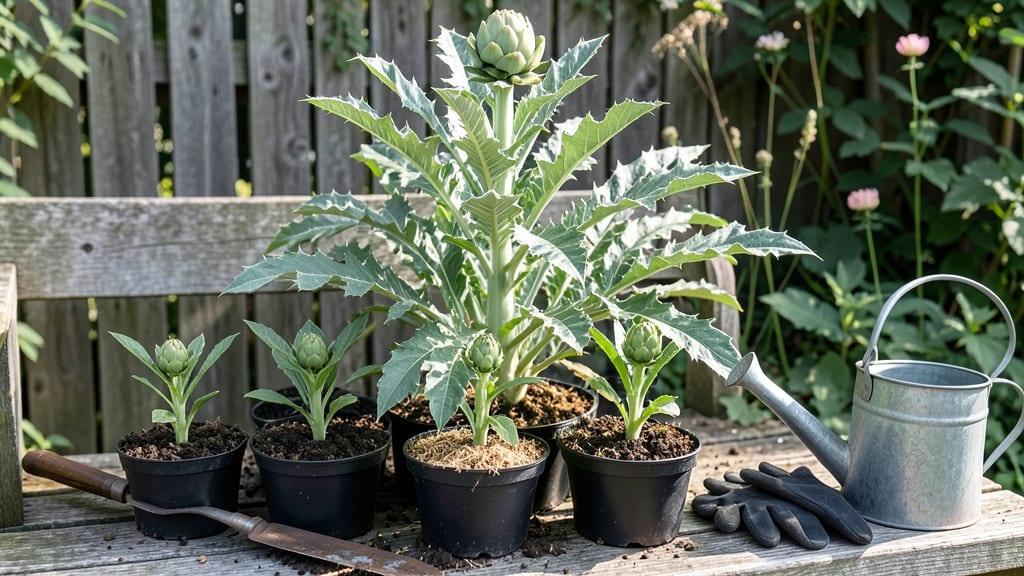
If you're dreaming of a homegrown artichoke harvest in Zone 9, timing is everything—and getting it wrong could mean wilted plants or bitter greens instead of tender hearts.
The key to success lies in planting during those cooler months when the heat isn't yet relentless, typically between October and February.
Why does this matter? Unlike frost-sensitive zones, Zone 9's intense summer heat can stress artichokes into bolting (flowering prematurely), ruining your crop. I've grown these globe-shaped veggies in Phoenix for years, and I'll show you exactly how to time your plantings for maximum yield—plus which heat-tolerant varieties actually thrive here.
You'll discover the perfect window for both fall and spring plantings, soil prep secrets to keep roots cool, and how to stretch your growing season with simple tricks.
Whether you're a first-timer or a seasoned gardener, these insights will help you avoid common mistakes and enjoy fresh artichokes straight from your garden.
Let's dive into the exact timing, variety recommendations, and pro tips that have made my Zone 9 artichoke harvests consistently successful—no guesswork required.
Optimal planting windows for artichokes in Zone 9: month-by-month breakdown
Zone 9’s year-round warmth means artichokes thrive when planted during the cooler months—avoiding summer’s scorching heat that causes bolting and poor yields. The ideal window is October through February, when daytime temps stay below 75°F and nights dip into the 50s.
This timing lets roots establish before spring’s intense sun.
Spring plantings are possible in Zone 9b (like Phoenix or San Diego) if you start transplants in late February—but only if you provide shade cloth until temperatures stabilize. Direct sowing in spring rarely works here due to the 120-150 day harvest window clashing with summer heat.
Fall is the safest bet for Zone 9 gardeners. Plant transplants in October (after 90°F+ days end4-5 months of growth before summer dormancy. For direct sowing, start seeds in September under light shade to prevent heat stress.
Winter plantings (December-January) are ideal for cooler microclimates like coastal Zone 9 areas. The mild winters allow steady growth, and you’ll harvest just as spring warmth arrives. Just ensure soil stays above 50°F—cold snaps can stunt young plants.
Here’s your Zone 9 artichoke planting calendar with key thresholds:
| Month | Planting Method | Temperature Threshold | Notes |
|---|---|---|---|
| Late September | Direct Sow | Soil 60°F+ | Use shade cloth; keep moist |
| October | Transplant | Days <75°F | Best for fall harvest |
| Late February | Transplant | Nights 50°F+ | Requires shade cloth |
| December-January | Direct Sow/Transplant | Soil 55°F+ | Ideal for coastal Zone 9 |
For transplants, choose 4-6 week old seedlings from nurseries specializing in heat-tolerant varieties. Harden them off for 7-10 days before planting to prevent transplant shock. In Zone 9’s dry climate, mulch heavily with straw or wood chips to retain moisture and regulate soil temps.
If you miss the fall window, don’t despair—succession planting works in Zone 9. Sow a second batch in January for a spring harvest before summer dormancy kicks in. Just monitor soil temps closely; artichokes won’t germinate well above 80°F.
Pro tip: Use a soil thermometer to confirm temps are ideal. Aim for 60-70°F soil for direct sowing and 55-65°F for transplants. In inland Zone 9 areas (like Phoenix), afternoon shade is a game-changer for spring plantings.
Remember, artichokes are perennials in Zone 9—with proper care, they’ll regrow for 3-5 years. The key is timing your first planting right to avoid summer’s heat stress. With these windows, you’ll enjoy harvests from March through June—just in time for your favorite recipes!
Optimal planting windows for artichokes in Zone 9: month-by-month breakdown
Zone 9’s year-round growing potential means artichokes can thrive with the right timing—avoiding summer’s 100°F+ heat that triggers bolting. Your best windows are late fall through early spring, when temperatures stay between 50°F and 75°F. Transplants adapt better than direct-sown seeds in this climate.
For spring plantings, aim for February to March when soil warms to 60°F. This gives plants 120-150 days to mature before summer stress. Fall plantings in October-November also work well, letting roots establish before winter’s mild chill.
Direct sowing is risky in Zone 9—seedlings struggle in heat—so opt for transplants from nurseries or start seeds indoors 8-10 weeks before your outdoor window. Harden off seedlings gradually to prevent shock when moving to well-draining, compost-rich soil.
🌱 Zone 9 Artichoke Planting Timeline
| Season | Best Months | Soil Temp | Key Notes |
|---|---|---|---|
| Spring | February-March | 60-70°F | Transplant after last frost risk; mulch heavily |
| Fall | October-November | 55-65°F | Avoid planting after November 15; protect from cold snaps |
| Winter | December-January | 50-60°F | Use shade cloth if temps drop below 45°F; slow growth expected |
⚠️ Critical: Never plant in summer months—artichokes bolt (flower prematurely) when stressed by heat over 85°F.
Microclimates matter in Zone 9. Coastal areas (like San Diego) can handle March plantings with afternoon shade, while inland deserts (like Phoenix) should stick to February or fall. Test soil moisture daily—drought stress accelerates bolting just as much as heat.
After planting, water deeply 2-3 times weekly to encourage root growth. Use drip irrigation to keep foliage dry, reducing fungal risks. In spring, fertilize with 5-10-10 when buds form to support harvest-ready heads by May.
Pro tip: Succession plant every 4-6 weeks in fall/winter for staggered harvests. Store extra transplants in shaded, cool conditions (like a garage) if nurseries run out—artichokes tolerate short-term storage better than many veggies.