
Planting
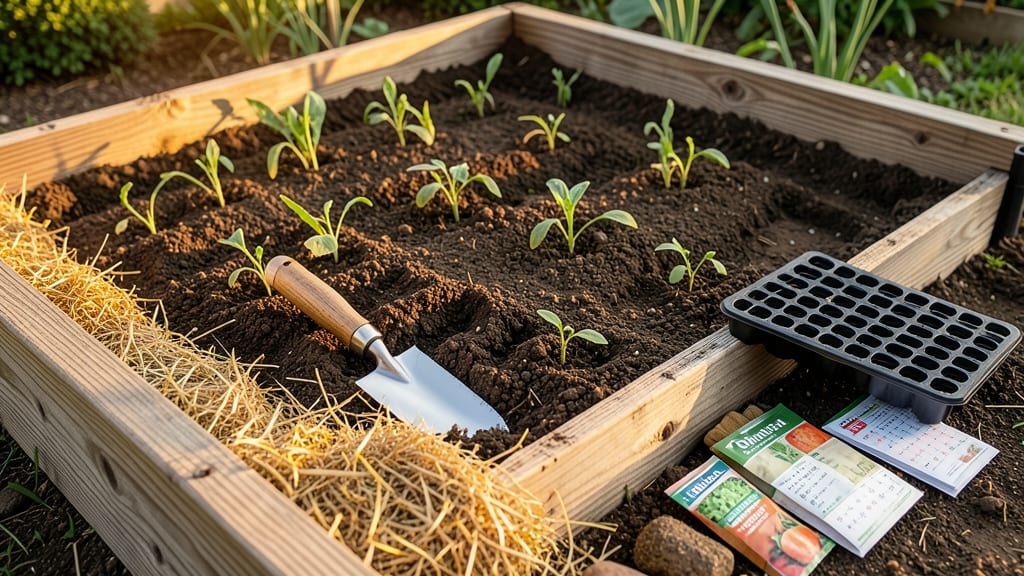
Timing when to plant a vegetable garden in Oklahoma can mean the difference between a bountiful harvest and a season of disappointment.
With last frost dates that vary dramatically across the state—from early March in the southern panhandle to late April in the northern hills—getting the schedule wrong risks losing your hard work to unexpected cold snaps or stunted growth.
I’ve spent years watching Oklahoma’s unpredictable weather patterns wreck gardens when gardeners plant too early or too late.
The key isn’t just following a generic calendar—it’s understanding how your specific USDA zone (like 6b in Oklahoma City or 7b in Tulsa) dictates when to start seeds indoors, transplant seedlings, and even when to sow heat-loving crops like tomatoes or peppers.
In this guide, I’ll break down the exact months to plant your favorite vegetables, from cool-season stars like spinach and broccoli to warm-season powerhouses like peppers and squash. You’ll learn how to stretch your growing season with row covers and mulch, plus when to adjust for Oklahoma’s infamous late frosts.
Whether you’re a first-time gardener or a seasoned pro, these insights will help you maximize your yield—no matter where in Oklahoma you’re planting your 🌱 patch.
Oklahoma’s frost dates & planting zones: when to start seeds vs transplants
Oklahoma’s USDA Hardiness Zones 6b-7b mean your planting schedule depends heavily on last frost dates, which vary by region. Northern Oklahoma (like Enid) typically sees frost until April 15-30, while southern areas (like Oklahoma City) average March 20-April 10.
Tulsa falls in between, usually March 25-April 15. These dates determine whether you’ll start seeds indoors 6-8 weeks early or plant directly outdoors.
For cold-hardy vegetables like spinach, kale, and peas, you can sow seeds as early as February in southern Oklahoma or March in northern areas. These cool-season crops tolerate light frost and even thrive when soil temperatures reach 40°F.
However, tender plants like tomatoes, peppers, and basil must wait until after the last frost, ideally when soil temperatures hit 60°F+.
Transplanting is another critical timing factor. Seedlings of heat-loving plants should stay indoors until 2-3 weeks after your region’s last frost date. For example, in Oklahoma City, that’s usually mid-April, while northern Oklahoma may not be ready until early May.
Using row covers or cold frames can extend your transplanting window by 2-3 weeks in early spring.
Here’s a quick reference for Oklahoma’s frost-free growing seasons:
| Region | Avg Last Frost | Avg First Frost | Frost-Free Days |
|---|---|---|---|
| Northern OK (Enid) | April 15-30 | October 15-30 | 150-170 days |
| Central OK (Oklahoma City) | March 20-April 10 | October 5-November 1 | 180-200 days |
| Southern OK (Tulsa) | March 25-April 15 | October 10-November 5 | 190-210 days |
Understanding these frost dates helps you plan for two planting seasons in Oklahoma: spring (March-May) and fall (August-October). For example, broccoli and carrots can be planted in early spring or late summer for fall harvests.
Meanwhile, tomatoes and peppers thrive only when planted after April 15 in most of the state.
If you’re in Zone 7b (like southern Oklahoma), you can even experiment with year-round planting for crops like kale, garlic, and onions. These winter-hardy vegetables can be sown in September-October for harvests in late winter or early spring.
Just be prepared for unpredictable temperature swings—Oklahoma’s weather can shift from 80°F to 30°F within a week!
For direct-sown seeds, timing is equally critical. Peas and lettuce can go in the ground 4-6 weeks before your last frost date, while beans and squash need soil temperatures above 60°F, usually late April-early May.
Use a soil thermometer to check—60°F+ is ideal for most warm-season crops.
Pro tip: Monitor local weather forecasts from NOAA’s Oklahoma City station or your nearest Cooperative Extension office. They provide real-time updates on frost risks and heat waves, helping you adjust your planting schedule.
For instance, if a late frost is predicted in mid-April, delay planting tomato seedlings until after the threat passes.
Finally, don’t forget that Oklahoma’s microclimates can vary even within cities. A south-facing garden warms up faster than a north-facing one, so you might safely plant 2-3 weeks earlier in sunny spots.
Use mulch or black plastic to warm soil faster in early spring, giving cold-sensitive plants a head start.
With these frost date guidelines and planting zone insights, you’ll avoid the common mistakes of planting too early (and losing seedlings to frost) or waiting too long (and missing out on early harvests).
Next, we’ll dive into a month-by-month planting calendar for Oklahoma’s top vegetables—so you can plan your garden like a pro! 🌱
Best months to plant Oklahoma vegetables: month-by-month calendar for high-yield crops
Oklahoma’s spring planting kicks off in March for cold-hardy crops like spinach and peas, while tender vegetables such as tomatoes and peppers wait until May when soil temperatures rise above 60°F.
My garden thrives when I align planting with Oklahoma’s two growing seasons—spring and fall—while avoiding the brutal summer heat.
For spring planting, focus on broccoli, carrots, and lettuce in March-April, then transition to warm-season crops like squash and beans in May-June.
Fall offers a second chance for kale, garlic, and radishes planted in August-September to mature before first frost (typically mid-November in most regions).
Succession planting is key to maximizing yield—sow bush beans every 2 weeks from May through July, or lettuce every 3 weeks in spring and fall. Oklahoma’s short growing season demands efficiency, so I prioritize fast-maturing varieties like ‘Early Girl’ tomatoes (65 days) over slower growers.
- March-April: Cold-hardy crops (spinach, peas, broccoli) + onion sets for early harvests.
- May: Tomatoes, peppers, squash, and cucumbers after last frost (April 15 in OKC).
- June: Sweet potatoes, okra, and Southern peas for summer heat tolerance.
- July-August: Fall crops (kale, garlic, radishes) + late beans for September harvests.
- September: Winter squash and turnips for storage over winter.
Oklahoma gardeners often warm soil in early spring by covering beds with black plastic 2 weeks before planting. This trick helps tomatoes and peppers germinate faster—critical since our last frost can fluctuate from March 15 (southern OK) to April 30 (northern OK).
I test soil temps with a soil thermometer; aim for 65°F+ for warm-season crops.
Don’t overlook fall planting—it’s my favorite Oklahoma hack! Garlic planted in October matures next summer, while kale and carrots thrive in cool weather. Use row covers to extend harvests into December for hardy greens like collard greens.
Just remember: first frost arrives earliest in Zone 7a (north OK) by November 1.
Pro tip: Bookmark the NOAA’s Oklahoma City climate data for real-time frost alerts. When temps dip below 32°F, protect tender plants with frost cloth or move pots indoors. With this schedule, my vegetable garden produces year-round—even in Oklahoma’s unpredictable climate! 🌱