
Planting
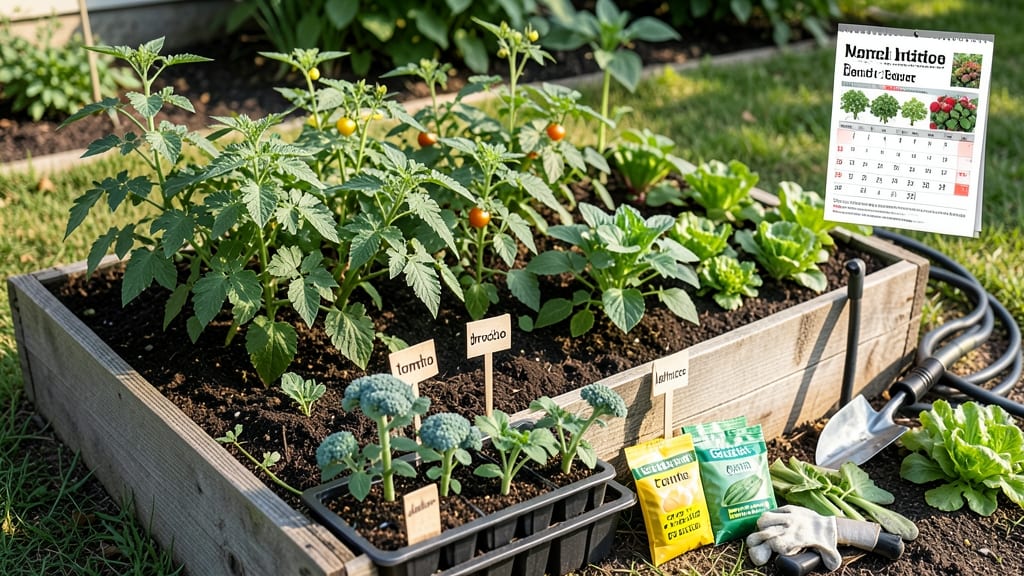
Timing when to plant a vegetable garden in Missouri isn’t one-size-fits-all—get it wrong, and you’ll end up with frost-nipped seedlings or stunted harvests.
The perfect planting window depends on whether you’re in St. Louis’s urban heat islands, the Ozarks’ cooler highlands, or Kansas City’s unpredictable transitions, all of which shift frost dates by weeks.
I’ve tracked Missouri’s microclimates for years, and the key is understanding your last frost date—whether it’s mid-April in the Bootheel or late May in the northern Ozarks.
Cool-season crops like spinach and peas need to hit the soil early, while tomatoes and peppers wait until the ground warms to 60°F or higher.
This guide breaks down exactly when to plant for your region, from seed to transplant, plus how to stretch your growing season with row covers or cold frames. Whether you’re a first-time gardener or a veteran, these Missouri-specific tips will help you avoid common mistakes and maximize your harvest.
Ready to turn your backyard into a thriving garden? Let’s dive into the frost-free windows that work for your corner of Missouri—and keep your vegetables growing strong from spring to fall.
Missouri’s planting zones by microclimate: exact frost-free dates by region
Missouri’s USDA plant hardiness zones range from 5a to 7a, creating dramatic differences in frost-free dates across just 300 miles.
In St. Louis (Zone 6b), the last spring frost typically arrives by April 15, while the Ozarks (Zone 6a-5b) can see frost as late as May 1. These variations mean your tomato seedlings might thrive in one region but bolt in another.
Urban heat islands in Kansas City (Zone 6a) can push frost-free dates 1-2 weeks earlier than rural areas, while the Mississippi River valley often enjoys 3-5 extra frost-free days compared to higher elevations. Elevation changes of just 500 feet can shift planting windows by 7-10 days, so always check local records.
Here’s how Missouri’s microclimates break down for vegetable gardening:
| Region | USDA Zone | Avg. Last Frost | Avg. First Frost | Frost-Free Days |
|---|---|---|---|---|
| St. Louis Metro | 6b | April 15 | October 25 | 193 days |
| Kansas City | 6a | April 20 | October 20 | 183 days |
| Springfield | 6b | April 10 | October 28 | 200 days |
| Southeast (Bootheel) | 7a | March 15 | November 15 | 245 days |
| Ozarks (Higher Elevation) | 5b | May 1 | October 10 | 162 days |
For St. Louis gardeners, warm-season crops like peppers and eggplants should wait until May 1 after soil reaches 60°F. Meanwhile, Ozark growers can start cold-hardy greens like spinach as early as March 15 under row covers.
The Bootheel’s longer season allows for double cropping—planting spring lettuce and fall kale in the same bed.
Pro tip: Use the Missouri Botanical Garden’s frost calendar for your exact ZIP code. Even within 10 miles, frost dates can vary by 5-7 days. I’ve seen urban gardens in Columbia thrive with tomatoes planted April 25 while nearby farms wait until May 10 due to cooler microclimates.
Soil temperature matters just as much as air temperature. For warm-season vegetables, wait until soil hits 60°F for 7+ days.
Use a soil thermometer—I’ve seen St. Louis gardens fail when planting cucumbers in 55°F soil, even if air temps were perfect. Cool-season crops like broccoli can handle 40°F soil but will bolt if planted too early.
Missouri’s fall planting window closes faster than spring. In Zone 6a, you’ve got until August 15 for cool-season crops, but Zone 5b Ozarks must plant by July 20 to avoid frost. Succession planting every 2 weeks after your last frost date ensures a continuous
Best vegetables to plant in Missouri’s spring vs. fall seasons: a microclimate guide
Missouri’s spring planting windows are short but critical—cool-season crops like lettuce and peas thrive in the Ozarks’ 5a zone, while warm-season tomatoes need to wait until after the last frost date in St. Louis (typically April 15).
Fall offers a second chance, with kale and carrots surviving light frosts in Kansas City’s 6b zone until November 1.
Your microclimate dictates success: Bootheel gardeners can plant southern peas in March, while northern Missourians wait until May. Succession planting every 2 weeks ensures continuous harvests, but timing varies by USDA zone—even within 100 miles.
Here’s how to match your planting schedule to Missouri’s two distinct seasons, with region-specific crops that avoid frost damage or bolt before harvest:
| Season | Microclimate | Best Crops | Planting Window | Key Tip |
|---|---|---|---|---|
| Spring | Ozarks (5a) | Peas, Spinach, Radishes | March 15–April 15 | Use row covers for late frosts |
| Spring | St. Louis (6a) | Lettuce, Broccoli, Beans | April 1–May 1 | Wait for soil 50°F+ |
| Fall | Kansas City (6b) | Kale, Carrots, Collards | July 15–August 15 | Harvest before first frost |
| Fall | Bootheel (7a) | Sweet Potatoes, Okra, Turnips | June 1–July 15 | Extend season with mulch |
For warm-season crops like tomatoes and peppers, Missouri’s short growing season demands precision. Start seeds indoors 6–8 weeks before your last frost date, then transplant after soil reaches 60°F. In cooler zones (e.g., 5a Ozarks), opt for early-maturing varieties like ‘Early Girl’ tomatoes (55 days to harvest).
Avoid bolt-resistant greens like ‘Winter Density’ kale for fall, as they tolerate light frosts down to 20°F. In urban heat islands (e.g., St. Louis), plant heat-tolerant varieties such as ‘Malabar’ spinach to beat the summer heat.
Always check local frost dates—they can vary by 1–2 weeks even within a county.
Pro tip: Use succession planting for bush beans every 2 weeks in spring to avoid a single harvest glut. In fall, direct-sow radishes in late summer for a quick 25-day harvest before frost. Missouri’s two growing seasons reward careful planning with year-round harvests if you match crops to your microclimate.