
Plants
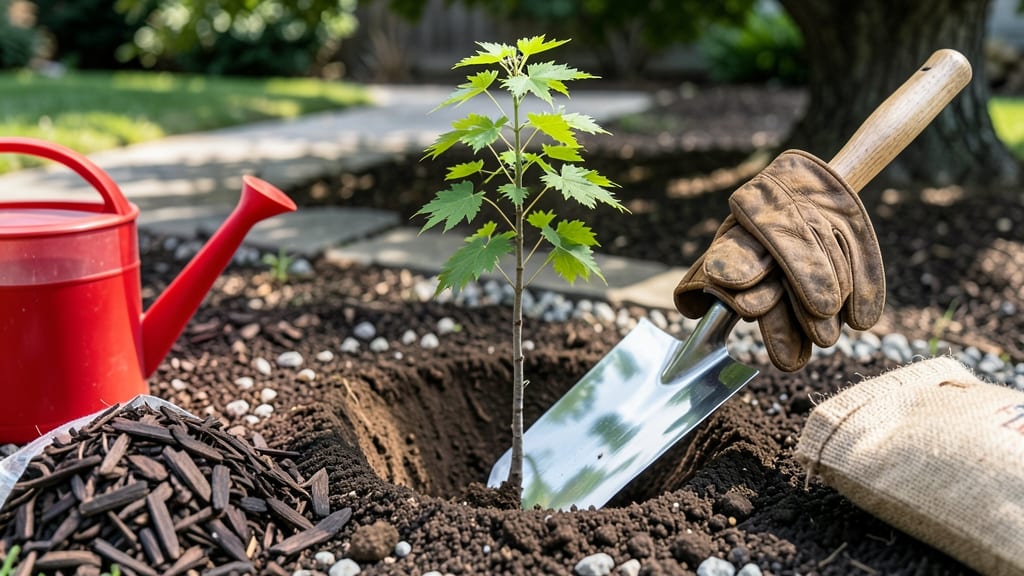
Timing your tree planting in Colorado can make the difference between a thriving 🌳 and a struggling sapling—especially when frost dates vary from Denver to Grand Junction. The best window to plant isn't just about months, but about soil temperatures and elevation zones that most gardeners overlook.
I’ve seen too many well-meaning Colorado gardeners rush to plant in early spring, only to watch their young trees suffer from late frosts or drought stress. The sweet spot?
Late spring to early fall, when roots can establish before winter dormancy—but there’s more to it than just picking a month on the calendar.
In this guide, I’ll break down the science-backed planting windows for your specific elevation, from Front Range gardens to high-altitude forests. You’ll learn how to read soil cues, choose the right species for your microclimate, and avoid common pitfalls that derail even the most careful planters.
Whether you’re planting a drought-resistant ponderosa pine or a shade-loving blue spruce, getting the timing right is the key to long-term success. Let’s make sure your tree grows strong—and stays that way for decades.
Best planting months for Colorado trees by elevation zone
Colorado’s diverse elevations create wildly different planting windows—what works in Denver’s Front Range fails in Aspen’s high country. Timing isn’t just about months; it’s about soil temperature, frost risk, and moisture availability. Let’s break it down by zone so your tree thrives from day one.
For lowland areas (3,500–6,500 ft), like Grand Junction or Colorado Springs, the sweet spot is late April through May or September through mid-October.
These zones have warmer soils that thaw earlier, giving roots a head start. High-altitude areas (7,500+ ft), like Steamboat Springs or Leadville, demand patience—wait until late May or early June when frost risk drops below 10%.
Here’s the golden rule: Plant when soil temps hit 50°F (10°C). Use a soil thermometer to check—this ensures roots aren’t shocked by cold. In Zone 5b (Denver, Fort Collins), aim for April 20–May 15 or September 1–October 15.
Miss these windows, and you risk transplant shock or drought stress.
Evergreens like blue spruce or ponderosa pine need extra care—they transpire year-round, so planting in fall (September–October) gives them time to establish before winter. Deciduous trees, like cottonwood or aspen, can handle spring planting better because they’re dormant during cold snaps.
🌳 Colorado Tree Planting Windows by Elevation
| Elevation Zone | Best Planting Months | Soil Temp Requirement | Frost Risk |
|---|---|---|---|
| Lowland (3,500–6,500 ft) | Late April–May, Sept–Oct | 50–60°F (10–15°C) | Low (Zone 6a–7a) |
| Front Range (5,000–7,000 ft) | April 20–May 15, Sept 1–Oct 15 | 45–55°F (7–13°C) | Moderate (Zone 5b) |
| High Country (7,500+ ft) | Late May–June, Aug–Sept | 40–50°F (4–10°C) | High (Zone 4–5a) |
| Arid West Slope (e.g., Grand Junction) | March–April, Sept–Oct | 55–65°F (13–18°C) | Low (Zone 6a–7b) |
💡 Pro Tip: Use a soil thermometer to confirm readiness—don’t guess!
If you’re in Denver or Boulder, September planting is ideal because cooler temps reduce transplant shock, and fall rains help roots establish before winter. But if you’re in Grand Junction, March–April works better—soils warm faster, and spring moisture is more reliable.
Avoid planting in July or August—Colorado’s intense heat and dry winds stress young trees. Even evergreens can suffer sunburn if planted mid-summer. Instead, opt for bare-root trees in late winter (February–March) if your zone allows—just keep roots moist until planting.
Microclimates matter too! A south-facing slope in Colorado Springs may thaw 2–3 weeks earlier than a north-facing yard. Observe your site for 3–5 days before planting to spot frost pockets or late-spring freezes. Native trees, like quaking aspen or serviceberry, adapt better to these variations.
For container-grown trees, you have slightly more flexibility—plant anytime soil isn’t frozen. But bare-root trees (cheaper and hardier) must go in during their dormant season. Check the root flare is 2–3 inches above soil level—this prevents girdling as roots grow.
Remember: Mulch is non-negotiable. Apply 3–4 inches of organic mulch (wood chips or straw) to retain moisture and regulate soil temperature. Keep mulch 6 inches away from the trunk to avoid rot.
Water deeply once a week for the first month, then taper to every 2 weeks as roots establish.
Critical factors that determine your planting timeline
Colorado’s microclimates and elevation shifts can change ideal planting windows by weeks—even within the same county. Forget relying solely on calendar months; instead, focus on soil temperature, moisture availability, and local frost patterns.
These three factors often override traditional planting advice, especially in Zone 5b areas like Denver or Colorado Springs.
For example, a high-elevation site (e.g., 8,000+ feet) may have frozen soil well into May, while a Front Range valley could be ready by early April. Always check soil warmth with a soil thermometer—roots need temperatures above 50°F (10°C) to establish properly.
The '100-degree soil thermometer rule' is my go-to trick: Wait until the top 6 inches of soil hit 50°F (10°C) consistently for 3–5 days. This ensures roots grow actively without risking transplant shock from sudden cold snaps. In dry climates like Grand Junction, this might mean delaying until June!
- 🌡️ Soil Temperature: Roots need 50°F (10°C)+ at 6" depth. Use a thermometer to confirm!
- 🌧️ Moisture Levels: Plant when 1–2 inches of rain is forecasted in the next 2 weeks for root hydration.
- ❄️ Frost Dates: Avoid planting 4–6 weeks before your area’s first frost (e.g., October 15 for Denver).
- 🌿 Tree Type: Deciduous trees thrive in early spring; evergreens prefer fall planting.
- 🏔️ Elevation Adjustments: High-altitude sites (7,000+ ft) may need 2–4 weeks later than valleys.
Another critical factor? Moisture retention. Colorado’s arid conditions mean newly planted trees dry out faster. Aim to plant when 1–2 inches of rain is predicted in the next two weeks, or irrigate deeply 2–3 times per week for the first month.
Mulch with 3–4 inches of organic matter (like wood chips) to lock in moisture.
Don’t ignore wind exposure, either. High winds in open prairie areas (e.g., Eastern Plains) can stress young trees during transplant. If your site is windy, plant evergreens in sheltered spots or use windbreaks like shrubs or temporary fencing for the first year.
Finally, avoid extreme heat. Planting in July or August stresses trees, especially bare-root varieties. If you must plant in summer, choose container-grown trees with established root balls and provide shade cloth for the first 2 weeks to reduce stress.
Pro tip: Check your local CoCoRaHS station or Colorado State University Extension reports for real-time soil moisture data. These tools predict ideal planting windows better than any calendar! ☀️