
Plants
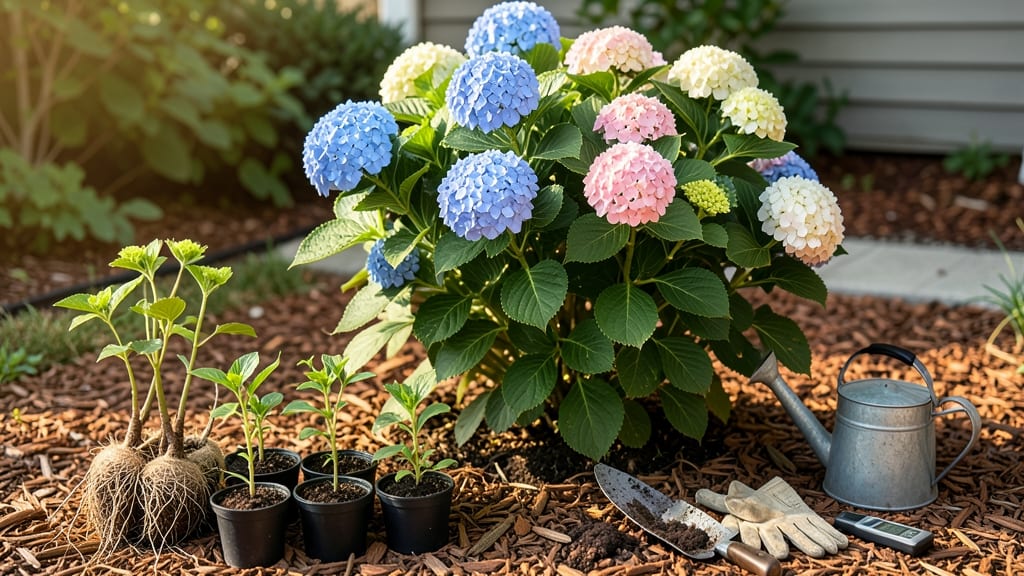
Timing your hydrangea planting in the Northeast isn't just about waiting for spring—it's about catching that sweet spot between soil warmth and frost-free days. Miss the window, and your 🌸 might struggle to establish roots before winter sets in again.
Most gardeners in zones 5-7 know late April to early June is the classic range, but that’s not the whole story. Soil temperature plays a bigger role than you’d think—too cold, and your plant will sit dormant; too warm, and it can shock.
I’ll break down exactly what to watch for, so you don’t end up with wilting leaves or stunted growth.
What if you’re in coastal Maine versus inland Pennsylvania? The answer isn’t one-size-fits-all. I’ll show you how microclimates change the game—whether you’re dealing with coastal moderation or inland frost pockets—and how to adjust your approach for zero-frost success.
Ready to plant with confidence? You’ll learn the critical signs your hydrangea is ready to go in the ground, plus pro tips for container vs. in-ground planting that’ll make all the difference in your garden’s summer blooms.
Optimal planting windows for Northeast hydrangeas by variety and soil temperature
Timing your hydrangea planting in the Northeast hinges on two critical factors: soil temperature and your specific hydrangea variety. Most hydrangeas thrive when soil reaches 50°F-60°F, signaling roots can establish without frost damage.
In USDA Zones 5-7, this typically aligns with late April to early June, but coastal areas may extend windows by 2-3 weeks.
For bigleaf hydrangeas (Hydrangea macrophylla), aim for planting after the last frost date—usually mid-May in inland areas like Pennsylvania or early May in coastal Connecticut.
These varieties are sensitive to cold soil and may struggle if planted too early. Panicle hydrangeas (Hydrangea paniculata), like 'Limelight,' are more adaptable and can handle cooler soil (down to 45°F), making them ideal for early April planting in New England.
Fall planting is also viable for bare-root hydrangeas in September, but only if you can plant 6-8 weeks before the first frost. This gives roots time to establish before winter dormancy.
In Zone 6, that means early September for inland regions, while Zone 7 coastal areas can extend to mid-September. Always mulch heavily (3-4 inches) to insulate roots.
Soil temperature is your best guide—use a soil thermometer to confirm readiness.
Dig 4-6 inches deep; if the reading is consistently above 50°F for 3-5 days, it’s time to plant. Oakleaf hydrangeas (Hydrangea quercifolia) prefer slightly warmer soil (55°F+) and should wait until late May in most of the Northeast to avoid root rot.
Container-grown hydrangeas offer more flexibility—they can be planted anytime the ground is workable, even in early spring (March) if you protect them with frost cloth during late frosts.
However, bare-root varieties planted in spring need immediate watering to rehydrate roots. Always soak the root ball for 10-15 minutes before transplanting.
Microclimates play a huge role—southern-facing slopes warm up faster than north-facing yards. Test multiple spots with your soil thermometer to find the warmest, most sheltered location. In urban areas, pavement can create "heat islands," raising soil temps by 5-10°F—ideal for early planting.
Here’s a quick rule of thumb: Coastal Northeast (e.g., Maine coast, Long Island) can plant 2-3 weeks earlier than inland areas due to moderating ocean breezes. Inland frost pockets (e.g., Upstate New York, Western Massachusetts) should delay planting until after Memorial Day to avoid late frosts.
| Variety | Ideal Planting Window | Soil Temp Threshold | Northeast Region Notes |
|---|---|---|---|
| Bigleaf (H. macrophylla) | Late May - Early June | 50°F+ | Avoid early planting; sensitive to cold soil. Coastal areas can plant by mid-May. |
| Panicle (H. paniculata) | Early April - Late May | 45°F+ | Most adaptable; ideal for early spring or fall planting in Zone 5. |
| Oakleaf (H. quercifolia) | Late May - Early June | 55°F+ | Wait for warmer soil to prevent root rot. Thrives in humid climates like Pennsylvania. |
| Smooth (H. arborescens) | Early April - Mid-May | 48°F+ | Cold-hardy; great for early planting in New England. Tolerates wet soil. |
| Container-Grown (All) | March - June (ground workable) | N/A (flexible) | Plant anytime soil is workable; protect with frost cloth if late frosts threaten. |
If you’re planting in fall, focus on bare-root hydrangeas and prioritize well-draining soil. Amend clay-heavy Northeast soils with compost or sand to improve aeration. Water deeply after planting, then apply a 3-inch mulch layer to retain moisture and regulate soil temperature.
In Zone 6, this means planting by September 15th to allow roots to establish before winter.
Pro tip: Test your soil’s drainage before planting. Fill a hole with water and time how long
How Northeast microclimates affect hydrangea planting success: coastal vs. inland strategies
Northeast gardeners know that microclimates can drastically change planting success—what works in coastal Maine won’t always thrive in inland Pennsylvania.
The key difference? Coastal areas enjoy longer frost-free seasons (up to 200 days) thanks to ocean moderation, while inland zones face shorter windows (150-175 days) with frost pockets that can delay planting by weeks. Understanding these variations helps you pick the perfect planting window for your hydrangeas.
For coastal regions like Connecticut or Long Island, hydrangeas can often be planted as early as late March if soil temperatures reach 50°F+. The ocean’s warmth extends the growing season, allowing you to transplant bare-root hydrangeas sooner.
In contrast, inland areas like Upstate New York or Vermont may need to wait until mid-May when the last frost has passed and soil warms to 55°F.
Here’s how to adapt your strategy based on your location:
🌊 Coastal vs. Inland Hydrangea Planting
- ✅ Planting window: Late March–early May
- ✅ Soil temp: 50°F+ (earlier thaw)
- ✅ Wind protection: Less critical (ocean breeze helps)
- ✅ Mulch depth: 3–4 inches (moderate insulation)
- ⚠️ Planting window: Mid-May–early June
- ⚠️ Soil temp: 55°F+ (later thaw)
- ⚠️ Wind protection: Essential (use fences/walls)
- ⚠️ Mulch depth: 4–6 inches (extra insulation)
Another critical factor is wind exposure. Coastal areas benefit from natural windbreaks created by the ocean, but inland gardens often need artificial protection. Plant hydrangeas near fences, walls, or shrub borders to shield them from drying winds, which can stress young roots.
In exposed inland sites, consider planting near evergreens or using burlap windbreaks for the first growing season.
Mulching is non-negotiable in the Northeast, but the approach differs by microclimate.
Coastal gardeners can use a 3–4 inch layer of mulch to retain moisture, while inland growers should go deeper with 4–6 inches to insulate roots from late spring frosts. Organic mulches like shredded bark or straw break down slowly, improving soil structure over time—perfect for hydrangeas that thrive in acidic, well-draining soil.
Finally, don’t overlook container planting for flexibility. Potted hydrangeas can be moved to sheltered spots during late frosts, giving you 2–3 extra weeks of planting time. Just ensure containers have drainage holes and use a lightweight potting mix to prevent root rot in heavy Northeast clay soils.
With these microclimate strategies, your hydrangeas will establish strong roots and reward you with vibrant blooms from mid-summer through fall—no matter where you garden in the Northeast. 🌿