
Plants
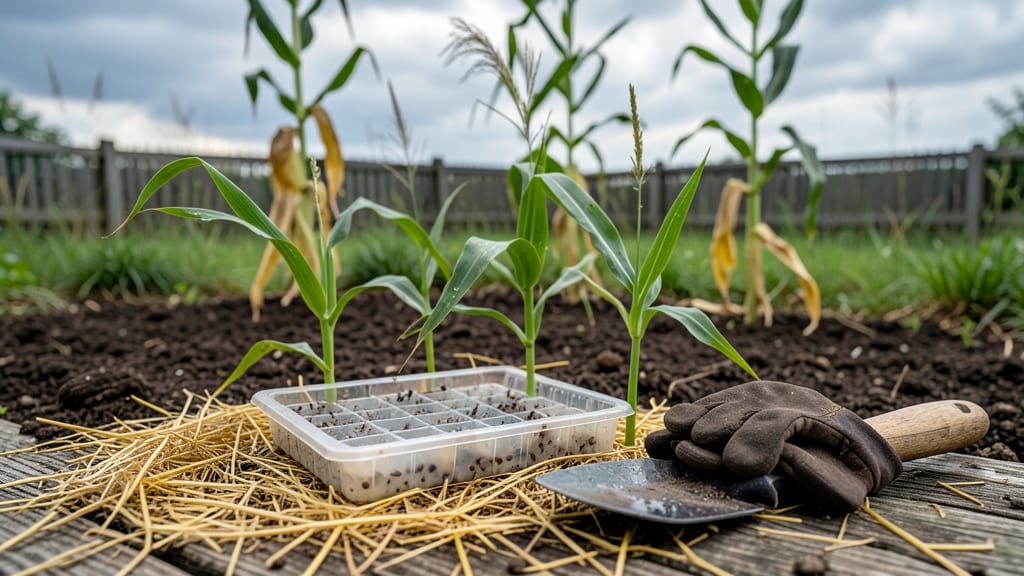
Planting corn in Colorado isn’t as simple as tossing seeds into the ground—timing is the game-changer that separates a bountiful harvest from a sad, frost-nipped disappointment.
With USDA zones 5-7 and elevations ranging from plains to mountains, Colorado’s climate demands precision. Plant too early, and a late frost will wipe out your 🌽 seedlings; too late, and your corn won’t mature before winter’s chill sets in.
The ideal window—mid-April to mid-May—varies dramatically depending on where you live in the state.
Whether you’re a first-time gardener or a seasoned grower, understanding your local frost dates and soil temperatures is most important. I’ll break down exactly when to plant in your specific elevation zone, plus pro tips to give your corn the best shot at thriving in Colorado’s unpredictable spring.
Ready to turn your garden into a cornucopia? Let’s dive into the frost-free timeline that works for your corner of the Centennial State.
Colorado corn planting dates by elevation zone: exact frost-free timelines
Colorado’s three distinct elevation zones mean your corn planting timeline should shift dramatically whether you're in Denver’s foothills or the San Luis Valley. The last average frost date can vary by 4-6 weeks across the state, making zone-specific planning essential.
For lowland areas (3,500–5,000 ft), like eastern Colorado, aim for mid-April planting after soil warms to 50°F+.
Mid-elevation zones (5,000–7,000 ft), including the Front Range, typically wait until late April to early May when frost risk drops. Highland areas (7,000+ ft), such as Fort Collins or mountain valleys, may need to delay until mid-May to avoid late frosts.
Always check your local USDA Plant Hardiness Zone (5-7) for precision.
Soil temperature is your #1 indicator—corn seeds won’t germinate below 50°F, but 60°F+ speeds up growth. Use a soil thermometer to confirm readiness. In cooler zones, black plastic mulch can raise soil temps by 5–10°F, creating an earlier planting window.
Here’s a zone-by-zone breakdown of ideal planting windows, last frost dates, and soil temp thresholds to help you time it perfectly:
For direct sowing (most common for corn), plant seeds 1 inch deep and 12 inches apart in rows 30 inches apart. In cooler zones, consider raised beds or row covers to extend the season.
If you’re in Zone 6 or higher, you can even try a second planting in July for a fall harvest.
Pro tip: Use biodegradable seed starters to protect young seedlings from cutworms, a common Colorado pest. These paper pots dissolve into the soil, giving your corn a head start without transplant shock.
Remember, corn thrives on warmth, so avoid planting before soil temps stabilize. In dry years, prioritize consistent watering—corn needs 1–2 inches per week during tasseling (when pollen forms). Use a drip irrigation system to keep moisture even.
If you’re unsure about your local frost dates, check the Colorado State University Extension or your county agricultural office for hyper-local data. Their frost-free maps can adjust your planting by 1–2 weeks depending on your exact microclimate.
🌽 For example, Grand Junction (low desert) can plant 2 weeks earlier than Steamboat Springs (high mountain), even if they’re both in Zone 5. Always plant after the last frost—but don’t wait too long, or your harvest window shrinks.
How to adjust planting for early vs late varieties in Colorado’s climate
Colorado’s short growing season forces tough choices about corn varieties. Early-season hybrids like 'Golden Bantam' mature in just 60-70 days, while late varieties like 'Pioneer 39F53' need 90-100 days.
Your elevation dictates which you can grow successfully—highland gardeners should stick to early types, while plains gardeners have more flexibility.
For high-elevation areas (7,000+ ft), prioritize dwarf varieties like 'Early Sunglow' (75 days). These tolerate cooler soils and shorter seasons. In mid-elevation zones (5,000-7,000 ft), semi-dwarf types such as 'Silver Queen' (85 days) strike a balance between yield and maturity.
🌽
EARLY VARIETIES
- ✅ Pros: Faster maturity (60-80 days)
- ✅ Pros: Tolerates cooler soils (50°F+)
- ✅ Pros: Ideal for elevations 6,000+ ft
- ✅ Pros: Lower risk of frost damage
LATE VARIETIES
- ✅ Pros: Higher yields (larger ears)
- ✅ Pros: Better for lowland areas (3,500-5,000 ft)
- ✅ Pros: Sweet corn flavor peaks later
- ✅ Pros: Suitable for longer seasons
EARLY VARIETIES
- ❌ Cons: Smaller ear size
- ❌ Cons: Limited flavor development
- ❌ Cons: Needs earlier planting (March-April)
LATE VARIETIES
- ❌ Cons: Requires warmer soils (60°F+)
- ❌ Cons: Higher frost risk
- ❌ Cons: Needs later planting (May-June)
Extend your season in cooler zones with black plastic mulch, which warms soil by 10-15°F. Lay it down 2-3 weeks before planting to jumpstart germination.
For highland areas, use row covers to protect young plants from unexpected frosts—remove them once plants reach 12 inches tall to avoid overheating.
Raised beds are another game-changer for Colorado corn growers. They warm up 2-3 weeks faster than in-ground soil, giving you a longer planting window. Fill them with a mix of compost and sandy loam to improve drainage, which is critical for preventing root rot in heavy mountain soils.
If you’re in a transition zone (5,000-6,000 ft), consider succession planting. Start with early varieties in April, then follow with mid-season types in late May to stagger your harvest. This ensures you get corn all summer long without betting everything on one planting.
🌱