
Companion Plants
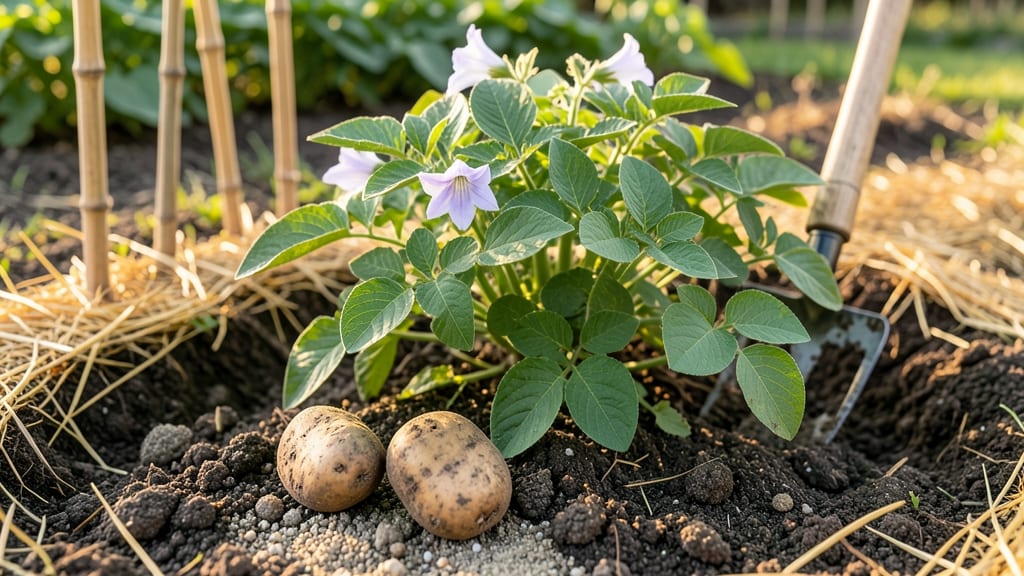
If you're wondering "when can I plant potatoes in Zone 6", timing is the game-changer between a bumper harvest and wasted effort. Zone 6 gardeners know the difference between a 70-day harvest and a 120-day wait often comes down to planting just a few weeks earlier—or later—than ideal.
Most guides tell you to wait until after the last frost, but that’s not the whole story. Your microclimate—whether you’re in a sheltered valley or a windy hilltop—can shift those dates by 2-4 weeks. What works for your neighbor might leave your potatoes struggling in cold, damp soil.
In this guide, I’ll break down exactly when to plant for fastest growth, how to spot the perfect soil temperature (45°F+), and which potato varieties thrive in Zone 6’s short season. No more guessing—just actionable steps to get your 🥔 in the ground at the perfect moment.
Ready to shave weeks off your growing season? Let’s dive into the specifics that actually matter for your garden’s unique conditions.
Zone 6 potato planting timeline: soil temperature & frost-free dates
Timing your potato planting in Zone 6 hinges on two critical factors: soil temperature and your last frost date. Unlike many crops, potatoes thrive when soil warms to 45°F (7°C), not air temperature. Planting too early in cold soil stunts growth, while waiting too long risks late-season harvests.
My Zone 6 garden typically sees its last frost between mid-April and early May, but microclimates can shift this by weeks.
For spring planting, aim to plant 2-4 weeks before your last frost date. This gives tubers time to establish roots before warm weather arrives.
For example, if your frost date is May 1st, planting around April 1st ensures a head start. Fall planting is also possible in Zone 6, but only for early-maturing varieties planted 6-8 weeks before first frost (usually by September 1st).
Here’s how I determine my exact planting window: I monitor soil temperature with a soil thermometer (or bury a thermometer in the garden bed). Once temperatures consistently hit 45°F (7°C) at a 4-inch depth, it’s go-time.
In my Zone 6b garden, this usually occurs around mid-to-late March, but urban heat islands or shaded areas can delay this by 1-2 weeks.
🌱
Zone 6 Potato Planting Timeline Comparison
| Planting Window | Soil Temp | Last Frost Buffer | Harvest Window | Notes |
|---|---|---|---|---|
| Early Spring (March) | 45°F+ (7°C) | 2-4 weeks before frost | Late July–Early Sept | Best for early varieties |
| Late Spring (April) | 50°F+ (10°C) | 1-2 weeks before frost | Mid-Aug–Late Sept | Ideal for mid/late varieties |
| Fall (September) | 50°F+ (10°C) | 6-8 weeks before frost | Late Oct–Early Nov | Only early varieties |
Your Zone 6 microclimate plays a huge role in these timelines. For instance, a south-facing slope warms faster and may allow planting by late February, while a shaded garden bed might delay planting until mid-April.
To test your microclimate, place a thermometer in multiple spots for a week—you’ll spot the warmest (and coldest) pockets. I once added black plastic mulch to a cold bed and planted 3 weeks earlier than my neighbor’s unamended soil!
Pro tip: Use chitting (pre-sprouting seed potatoes) to jumpstart growth. Place your seed potatoes in a cool, bright spot (like a sunny windowsill) 4-6 weeks before planting. When sprouts reach 1-2 inches, they’ll hit the ground running, shaving 10-14 days off your growing season.
I chit my Yukon Golds every year and notice harvests 2 weeks earlier than un-chitted potatoes.
If you’re unsure about your last frost date, check your local cooperative extension service or use the USDA Plant Hardiness Zone Map. For Zone 6, average last frost dates range from April 15th (Zone 6a) to May 1st (Zone 6b).
To play it safe, I plant successive crops: early varieties in March, mid-season in April, and late varieties in early May. This ensures a continuous harvest from July through September.
One common mistake Zone 6 gardeners make is planting too deep to protect against frost. While potatoes need 4 inches of soil for ideal growth, adding extra depth can delay sprouting. Instead, use row covers or straw mulch to insulate plants without smothering them.
I’ve also had success with hill planting: mound soil around stems as they grow to protect new tubers from late frosts.
For container growing, which is perfect for small spaces or cold microclimates, plant seed potatoes in 5-gallon buckets by late March. Move containers to a sunny porch or greenhouse during the day and bring them inside at night until soil warms.
This lets me plant 2-3 weeks earlier than in-ground beds. Just ensure containers have drainage holes—potatoes rot in soggy soil!
🌿
Zone 6 potato planting timeline: soil temperature & frost-free dates
In Zone 6, your potato planting window hinges on two critical factors: soil temperature (minimum 45°F) and your last frost date (typically mid-April). Planting too early risks frost damage to tender sprouts, while waiting too long cuts your harvest window.
The sweet spot? Aim for 2-4 weeks before your last frost—usually late March to early April.
Most Zone 6 gardeners follow the "finger rule": Stick your finger 4 inches deep into the soil. If it feels cool but workable (around 45°F), it’s time to plant.
In colder microclimates, like shaded areas or high elevations, wait until soil reaches 50°F to avoid rot. Warmer pockets, like south-facing slopes, can handle planting 2 weeks earlier.
For a second harvest, try a late planting in early June (after the last frost risk). Choose fast-maturing varieties (60-90 days) like 'Yukon Gold' or 'Red Norland' to finish before fall frosts. This strategy lets you stretch your growing season by 4-6 weeks.
🌱 Zone 6 Potato Planting Comparison
| Planting Window | Soil Temp | Frost Risk | Harvest Window |
|---|---|---|---|
| Early Spring (Standard) | 45°F+ | Low (after last frost) | Late July–Early Sept |
| Late Winter (Indoor Start) | 50°F+ (containers) | None (controlled) | Early June–July |
| Summer (Second Crop) | 55°F+ | Minimal (late season) | Sept–Oct (early varieties) |
*Adjust for local microclimates—warmer areas can plant 1-2 weeks earlier.
Pro tip: Use a soil thermometer to track warmth. In Zone 6, soil warms slower than air—don’t rely on daytime temps. For example, a 60°F air temp might hide 40°F soil, stalling sprout growth. Test in the morning for accuracy, as afternoon sun can skew readings.
If your area has unpredictable frosts, like late April surprises, use row covers or black plastic mulch to warm soil faster. These tricks can push your planting window 1-2 weeks earlier without risking frost damage. Just remove covers when plants reach 12 inches tall to avoid overheating.
Remember: Potatoes hate cold soil. If temps dip below 40°F, sprouts rot before emerging. For a foolproof timeline, check your local cooperative extension service—they provide hyper-local frost data. With the right timing, you’ll harvest bountiful potatoes in just 90 days! 🥔