
Plants
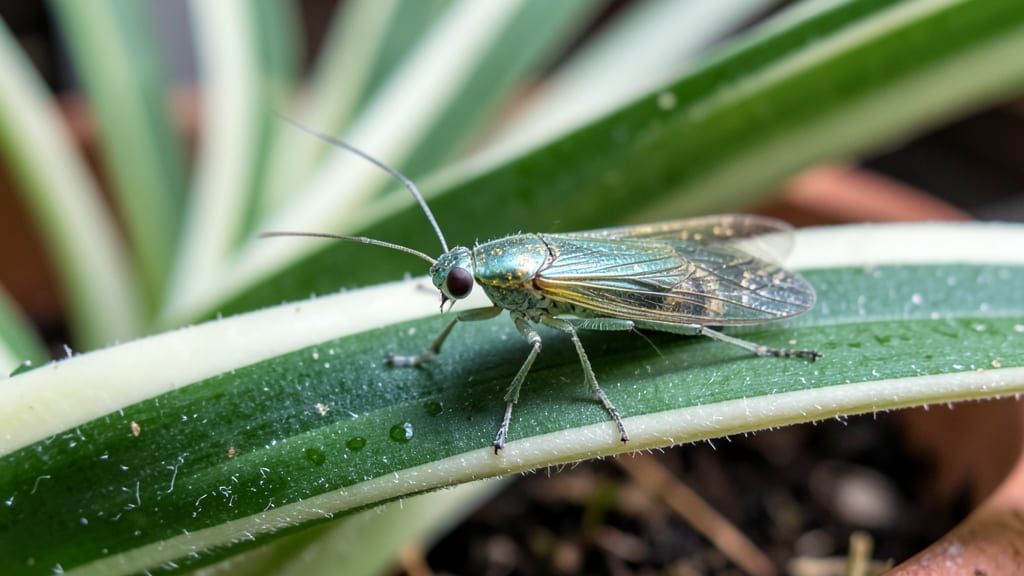
If your 🕷️ Spider Plant is looking sad with brown tips or limp leaves, the answer might be simpler than you think—it’s probably getting the wrong amount of light.
Most people assume these hardy plants can handle anything, but the truth is, they thrive best in bright indirect sunlight, not harsh direct rays or dim corners.
I’ve seen firsthand how a few small adjustments—like moving your plant closer to an east-facing window or adding a sheer curtain—can transform a struggling Spider Plant into a lush, vibrant showstopper. The key isn’t just any light; it’s the right balance that keeps those iconic arching leaves happy and healthy.
In this guide, I’ll break down exactly how much light your Spider Plant needs, what to watch for when things go wrong, and the easiest ways to fix common light-related problems.
Whether you’re dealing with weak growth or sudden leaf damage, you’ll find out how to create the perfect spot for your plant—no guesswork required.
Let’s get your Spider Plant the light it deserves so you can enjoy its striking foliage year-round, no matter where you live in USDA Zone 6a or beyond.
 Best Window Placement
Ideal light requirements for a healthy spider plant: bright indirect sunlight explained
Your spider plant (Chlorophytum comosum) thrives best with bright indirect sunlight, making it perfect for homes with east or north-facing windows. Unlike sun-loving plants, it avoids harsh rays that can scorch its leaves.
Think of it as the ideal low-maintenance houseplant that adapts well to moderate indoor lighting.
While spider plants tolerate low-light conditions, they grow slower and produce fewer spiderettes (those adorable baby plants). Too much direct sun, however, causes brown leaf tips and crispy edges. The key is finding that golden balance where your plant gets enough light to stay vibrant without stress.
🌱 Did You Know? A spider plant can survive in artificial lighting alone, making it a great choice for offices or rooms with minimal natural light. However, natural light always yields healthier growth and more frequent propagation.
| Light Condition | Ideal Placement | Growth Impact | Signs of Stress |
|---|---|---|---|
| Bright Indirect Light | 1-3 feet from east/north window | Lush growth, frequent spiderettes | None (ideal condition) |
| Low Light | Corner rooms, far from windows | Slow growth, sparse spiderettes | Leggy stems, pale leaves |
| Direct Sunlight | South/west windows without filter | Stunted growth, leaf burn | Brown crispy tips, yellow patches |
| Artificial Light Only | Fluorescent grow lights (8-10 hrs/day) | Survival mode, minimal growth | Weak stems, sparse foliage |
Seasonal changes can dramatically affect your spider plant’s light needs. During winter months, when natural light is weaker, move your plant closer to a bright window or supplement with a grow light.
In summer, when sunlight is intense, use sheer curtains to diffuse harsh rays while still allowing plenty of light to reach your plant.
Notice how your spider plant’s leaves face the light? This is called phototropism, and it’s a clear sign your plant is actively seeking its ideal light conditions. If the leaves are stretching toward the window, it’s begging for more light.
If they’re curling inward or turning dark green, it might be getting too much direct sun.
For optimal growth, aim for 4-6 hours of bright indirect light daily. This could mean placing your spider plant on a bookshelf near an east-facing window or using a rotating plant stand to ensure all sides get even exposure.
Even light distribution prevents lopsided growth and encourages those lush variegated leaves.
Pro tip: Rotate your spider plant quarter-turn weekly to prevent it from leaning toward one light source. This simple habit keeps your plant symmetrical and healthy, while also helping you spot early signs of light stress like yellowing or browning edges before they become severe.
Remember, spider plants are forgiving—they’ll survive in less-than-ideal light, but they’ll truly thrive when given the right conditions. Pay attention to your plant’s visual cues, and you’ll create the perfect light environment for years of lush, happy growth.
How to adjust your spider plant’s light exposure: troubleshooting common issues
If your spider plant is showing signs of distress like brown tips or yellowing leaves, light exposure is likely the culprit. These plants are adaptable but need a balance—too little light makes them weak, while too much causes sunburn. Let’s diagnose and fix these issues step by step.
Start by observing your plant’s leaf color and growth pattern. Pale, sparse leaves mean it’s craving more light, while crispy edges or brown patches signal over-exposure. Even slow growth can be a red flag—your spider plant might be struggling to photosynthesize efficiently.
🚨 CALLOUT-WARNING 🚨
For under-lit plants, try rotating the pot quarter-turns every 2 weeks to ensure even light exposure. If your home lacks natural light, a grow light (12-14 hours/day) can mimic ideal conditions. Place it 6-12 inches above the plant for best results.
Brown tips often stem from low humidity combined with bright light. Increase humidity by placing the pot on a pebble tray with water or grouping it with other plants. Mist the leaves lightly in the morning to prevent fungal issues while keeping them hydrated.
If your spider plant’s leaves are curling, it might be reacting to sudden light changes. Gradually acclimate it to brighter conditions over 7-10 days by moving it closer to the window in small increments. This mimics natural light transitions and reduces stress.
For fast fixes, trim damaged leaves with sterilized scissors to encourage new growth. Prune back brown tips to 1/4 inch above the healthy tissue. This not only improves appearance but also redirects energy to healthier foliage.
Remember, spider plants are forgiving—they’ll bounce back with the right adjustments. Monitor your plant’s response for 2-4 weeks after changes. If issues persist, consider relocating it to a north-facing window or under artificial grow lights for consistent care.