
How To
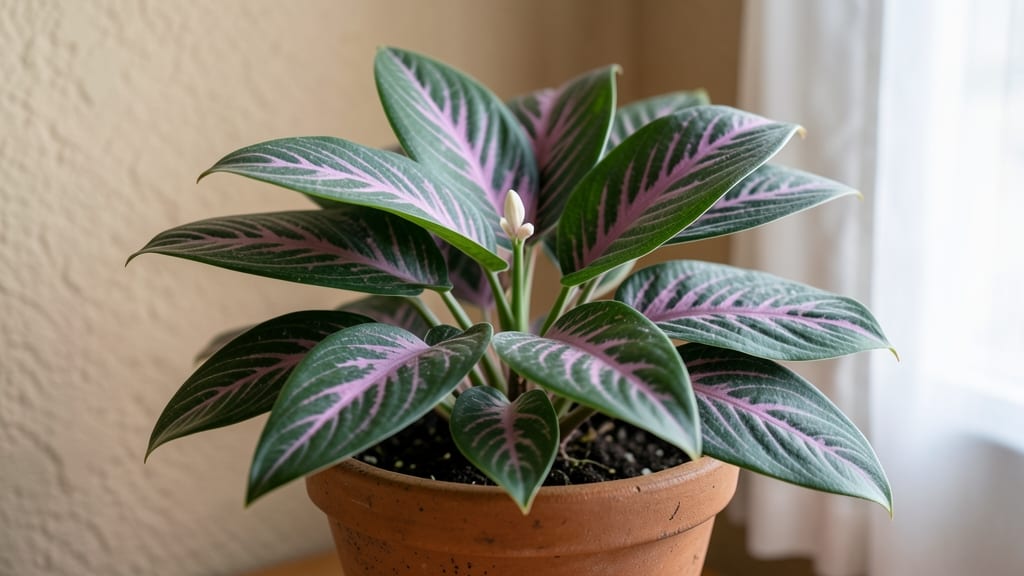
If your prayer plant 🌿 is looking more like a sad, stretched-out shadow than its usual vibrant self, you’re probably asking how much light does prayer plant need to truly thrive.
This striking houseplant isn’t just picky—it’s downright finicky about its lighting, and getting it right is the difference between lush foliage and a struggling survivor.
The secret lies in bright, indirect light, which mimics its natural habitat under the dappled shade of tropical forests. Too little light, and your plant will stretch toward any available source, growing tall and weak.
Too much direct sun, and those gorgeous leaves will develop unsightly brown patches. Finding that sweet spot is easier than you think, and I’ll show you exactly how to nail it.
Whether you’re dealing with a dim office corner or a sun-drenched living room, I’ll break down the ideal light conditions and how to adjust them for your space. You’ll learn to spot the warning signs of light stress and fix them before they become permanent damage.
Let’s get your prayer plant back to its best—and keep it that way.
No more guessing games. By the end, you’ll know exactly where to place your plant, how to rotate it for even growth, and when to step in if things start going wrong. Your prayer plant’s health depends on it—and so does your peace of mind. Let’s make it happen.
 Best Window Placement
Optimal light requirements for prayer plant growth and leaf patterns
If you're wondering how much light does prayer plant need, the answer is bright, indirect light—think of it as the Goldilocks of lighting: not too harsh, not too dim.
Prayer plants (Maranta leuconeura) thrive in 4-6 hours of filtered sunlight daily, which mimics their natural understory habitat in tropical forests. Too little light leads to leggy growth, while too much causes leaf scorch or faded variegation.
The key is positioning your plant near an east-facing window, where morning sun is gentle but sufficient. South-facing windows can work too, but you’ll need to filter the light with a sheer curtain to prevent damage.
North-facing windows are trickier—they offer soft light but may not provide enough intensity for vibrant foliage.
Light directly impacts your prayer plant’s stunning leaf patterns. Variegated varieties (like 'Kerchoveana') need slightly more light to maintain their pink or white stripes, while solid-green types are more forgiving. Without enough light, even healthy plants may lose their striking colors and revert to dull green.
Here’s how to spot light-related stress: Pale, stretched leaves signal under-lighting, while brown tips or crispy edges mean too much direct sun. The plant’s famous "praying" motion (leaves folding at night) can also slow down under poor lighting conditions.
| Light Condition | Ideal Duration | Effects on Plant | Best Window Placement |
|---|---|---|---|
| Bright Indirect | 4-6 hours/day | Vibrant leaves, compact growth | East or north window, 2-3 ft away |
| Low Light | <2 hours/day | Leggy stems, pale leaves | North window or artificial grow light |
| Direct Sun | >2 hours/day | Brown spots, bleached variegation | South window with sheer curtain |
For variegated prayer plants, aim for slightly brighter conditions to enhance their pink or white markings. These varieties need about 6 hours of bright indirect light to prevent the patterns from fading to green.
If your plant’s variegation is dulling, it’s a clear sign to move it closer to a light source or supplement with a grow light.
Seasonal changes also affect light needs. In winter, when natural light is weaker, your prayer plant may need a grow light for 6-8 hours/day to compensate. Conversely, in summer, afternoon sun can be intense—watch for leaf burn and adjust placement accordingly.
Pro tip: Rotate your plant quarter-turns weekly to ensure even growth. Prayer plants grow toward light sources, so consistent rotation prevents lopsided development and helps maintain their symmetrical, compact shape.
If you’re unsure about your home’s lighting, try the "shadow test": Place your hand near the plant’s spot. If the shadow is sharp and dark, the light is too direct. If it’s soft and fuzzy, you’ve got the perfect bright indirect light setup.
Remember, prayer plants are adaptable but finicky about light. Start with moderate indirect light and adjust based on your plant’s response. With the right conditions, your Maranta leuconeura will reward you with glossy, patterned leaves and thriving growth.
How to adjust your prayer plant's light exposure for maximum health
Finding the perfect spot for your prayer plant depends on your home’s natural light. East-facing windows provide ideal bright indirect light for most of the morning, while north-facing windows offer gentler, consistent light.
If you’re in a south-facing office with harsh afternoon sun, use a sheer curtain to diffuse the light and prevent leaf burn.
For low-light spaces, like bathrooms or basements, supplement with a grow light for 6-8 hours daily. Position the light 12-18 inches above the plant to mimic natural conditions.
Avoid placing your prayer plant near air conditioning vents or heating ducts, as fluctuating temperatures can stress the plant, especially when combined with inconsistent light.
Seasonal changes also affect light exposure. In winter months, shorter daylight hours mean your prayer plant may need a rotating schedule—move it closer to a window during the day and away at night to prevent etiolation (stretched, weak growth).
Conversely, in summer months, filter direct sunlight with a light-colored curtain to avoid overheating the soil.
Prayer plants hate abrupt light changes. If you move your plant from a dim corner to a bright window, do it gradually over 7-10 days to avoid leaf scorch or dropping foliage. Start with 2 hours of light per day and increase by 1 hour daily.
If your prayer plant starts reaching toward the light, it’s a clear sign of under-exposure. Rotate the pot quarter-turns weekly to encourage even growth and prevent lopsided development.
For variegated varieties, like ‘Kerchoveana,’ ensure they receive enough light to maintain their striking patterns—low light can cause the leaves to revert to solid green.
Pro tip: Use a light meter app to monitor brightness levels. Aim for 500-1,000 foot-candles of light, which mimics the dappled shade of its native understory habitat. If your space falls short, a LED grow bulb with a cool white spectrum (5000K-6500K) is a budget-friendly solution.
Finally, observe your plant’s leaf movements—a healthy prayer plant unfurls its leaves in the morning and folds them at night. If this rhythm disappears, it’s often a sign of stress from poor light conditions. Adjust gradually, and you’ll see your plant thrive in no time! 🌿