
Plants
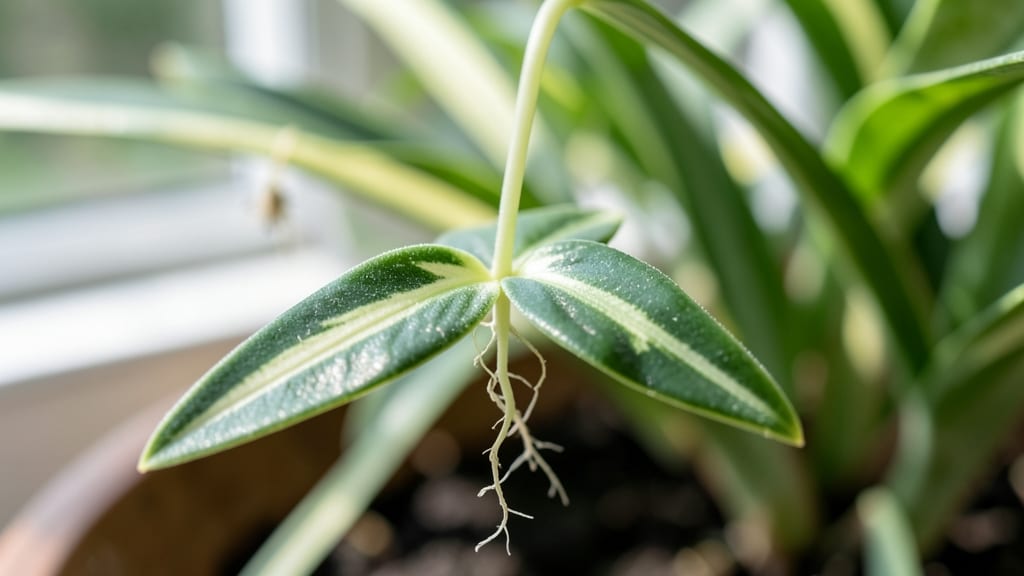
If your Spider Plant 🕷️ leaves are turning dull or crispy, the issue might be simpler than you think—it’s likely about how much light does a spider plant require.
This hardy houseplant thrives in bright, indirect sunlight, but too much direct sun or not enough light can turn those vibrant variegated stripes into sad, brown-tipped messes.
You don’t need a greenhouse to keep your Spider Plant happy—just the right balance of light. Whether you’re dealing with a dim corner or a south-facing window, understanding how to adjust your lighting can make all the difference in keeping your plant lush and healthy year-round.
I’ll walk you through the ideal light conditions for your Spider Plant, including how to spot signs of over- or underlighting and fix them fast. No more guessing—just straightforward tips to help your plant flourish.
From beginner setups to advanced care tweaks, you’ll learn how to create the perfect lighting environment, whether you’re working with natural light or artificial grow bulbs. Let’s get your Spider Plant back to its best!
 Best Window Placement
Optimal light requirements for spider plant growth and variegation
Spider plants (Chlorophytum comosum) are famous for their hardiness, but their stunning variegated patterns depend heavily on proper light exposure. Unlike sun-loving succulents, these plants thrive in bright indirect light, mimicking their natural understory habitat in South Africa.
Too little light dulls their stripes, while too much causes leaf scorch—so finding that sweet spot is key to keeping them vibrant.
The ideal scenario is 4-6 hours of filtered sunlight daily, like what you’d get from an east or west-facing window. Direct midday sun (especially south-facing) can bleach or crisp the leaf edges, while dim corners may lead to leggy growth and pale variegation.
Think of it like a goldilocks zone for your plant’s foliage.
Spider Plant Light Needs
| Light Condition | Ideal Placement | Leaf Impact | Growth Effect |
|---|---|---|---|
| Bright Indirect | East/west window, 2-3 ft away | Vibrant variegation | Compact, bushy |
| Low Light | North-facing window or room corner | Pale, green-only leaves | Leggy, sparse |
| Direct Sun | South window or unfiltered light | Brown crispy edges | Stunted, stressed |
Understanding how light affects chlorophyll production explains why variegated spider plants need careful placement. The white or yellow stripes on their leaves contain less chlorophyll than green areas, making them more sensitive to light intensity.
In low light, these plants revert to all-green foliage as they prioritize survival over aesthetics. Meanwhile, excessive light causes oxidative stress, leading to those unsightly brown tips.
For the best results, position your spider plant where it receives morning sun and afternoon shade. If you notice yellowing leaves, it’s often a sign of too much direct sunlight, while pale, stretched-out leaves indicate insufficient light.
Rotate your plant quarter-turns monthly to ensure even growth and prevent lopsided development.
Artificial lighting can supplement natural light, especially in north-facing rooms or during winter’s shorter days. A 12-inch LED grow light placed 12-18 inches above the plant for 12-14 hours daily mimics ideal conditions. Fluorescent bulbs work too but require closer placement (6-8 inches away) for effectiveness.
Seasonal adjustments are crucial too. In summer, move your spider plant further from the window to avoid scorching, while winter may require supplemental grow lights to maintain its energy levels. Even a sheer curtain can diffuse harsh rays, creating the perfect filtered light environment these plants adore.
Pro tip: Use a light meter app (like Light Meter by Aprosoft) to measure foot-candles in your space. Spider plants thrive in 500-1,000 foot-candles—any lower, and you’ll see those telltale signs of light deprivation.
With the right balance, your spider plant will reward you with lush, striped foliage and those adorable baby plantlets dangling from its stems.
Remember, spider plants are forgiving—they’ll survive in less-than-ideal light, but they’ll thrive when given their preferred conditions. Pay attention to their leaf color and growth patterns, and you’ll quickly learn what your specific plant craves. 🌱
How to adjust your home’s light for spider plant success
Adjusting your home’s lighting for a spider plant doesn’t require drastic changes—just a few strategic tweaks can transform a struggling plant into a thriving showstopper. Start by evaluating your space: north-facing windows offer the gentlest light, while south-facing windows deliver the brightest (but risk burning delicate leaves).
My east-facing windows provide the perfect balance for my spider plants, giving them morning sun without harsh afternoon rays.
If your plant sits in a low-light room, like a basement or interior office, move it closer to a window or rotate the pot quarter-turns weekly to ensure even growth. This prevents leggy stems and faded variegation.
For rooms with direct sunlight exposure, like west-facing windows, use a sheer curtain to diffuse the light—think of it like giving your plant a sun hat on a bright day.
🌱 Key Takeaway: Light Adjustments for Spider Plants
- North Window: Gentle light, rotate pot weekly
- East Window: Ideal morning sun, no adjustments needed
- West Window: Use sheer curtains to diffuse light
- South Window: Filter with a sheer curtain or move 3 feet back
- Artificial Light: LED grow lights 6-8 inches above plant
For spaces with no natural light, invest in a LED grow light—these are energy-efficient and mimic sunlight perfectly. Place it 6-8 inches above your spider plant and keep it on for 12-14 hours daily.
I’ve seen dramatic improvements in my plant’s variegation within just 2-3 weeks of consistent artificial lighting. Fluorescent bulbs work too, but they’re less efficient and may require closer placement.
Seasonal changes also demand attention. In winter months, when daylight shrinks, supplement with a timer-controlled grow light to maintain 4-6 hours of light daily.
Conversely, during summer’s long days, watch for signs of light stress—like crispy leaf edges—and adjust by moving your plant further from the window or adding that sheer curtain.
Pro tip: Monitor your plant’s response by checking the undersides of leaves. If they’re pale, it’s craving more light; if they’re brown or crispy, it’s getting too much. My spider plant’s variegated stripes darken beautifully in bright indirect light, while its growth slows dramatically in dim corners.
This visual feedback is your best tool for fine-tuning the perfect light balance.
Don’t overlook reflective surfaces—white walls, mirrors, or even a glossy tabletop can bounce extra light onto your plant, boosting its energy without extra effort. I’ve noticed my spider plant’s offshoots multiply faster when placed near a mirrored surface, thanks to the indirect light boost.
Small adjustments like these make all the difference between a languid leafy friend and a vibrant, thriving spider plant.