
Plants
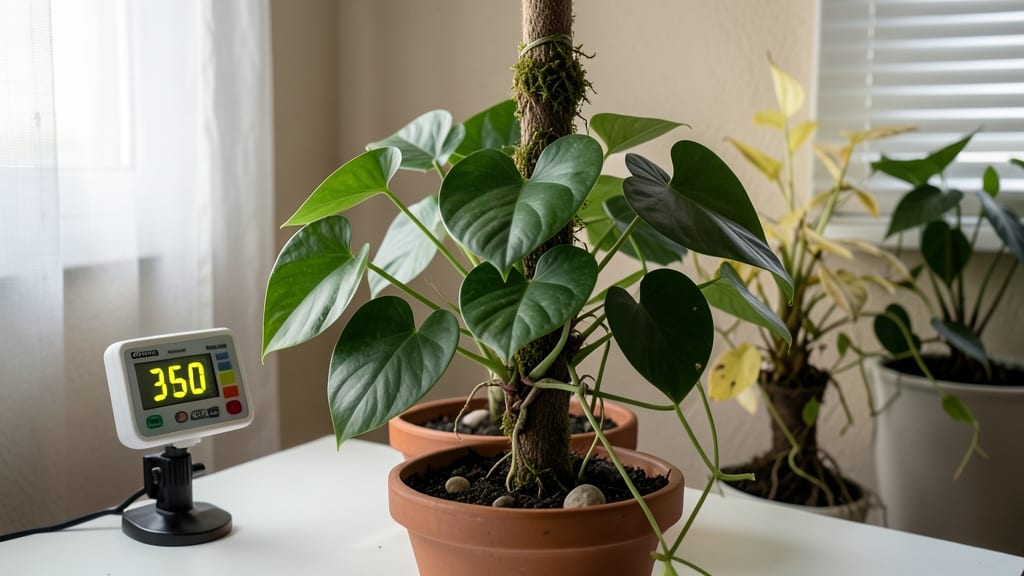
If your philodendron 🌿 is looking sad—droopy leaves, slow growth, or yellowing—chances are, how much light does this philodendron plant need is the question you’re missing. This tropical beauty thrives in conditions that mimic its natural understory home, but most people either overthink or overdo it.
You might assume it needs bright sun, but too much direct light can scorch those gorgeous leaves, while too little leaves it struggling to survive. The key? Finding that sweet spot of bright, indirect light—think filtered morning sun or a well-lit corner away from harsh rays.
Whether you're dealing with a dim office or a sun-drenched living room, I’ll break down exactly how to spot the perfect light conditions for your philodendron. Plus, I’ll share easy fixes for common mistakes that keep your plant from reaching its full potential.
Ready to give your philodendron the ideal glow? Let’s get started—your plant’s health depends on it!
 Best Window Placement
Philodendron light requirements: the ideal spectrum for healthy growth
Philodendrons thrive in low to bright indirect light, making them perfect for homes with limited natural sunlight. Unlike sun-loving plants, they avoid harsh rays that cause leaf scorch or yellowing.
The key is finding that sweet spot where leaves stay vibrant green without stretching toward light—a sign of etiolation (weak, leggy growth).
Most philodendron varieties tolerate 4-6 hours of bright indirect light daily, similar to the dappled shade under a forest canopy. This mimics their natural habitat in tropical rainforests, where sunlight filters through dense foliage. Think of it as the goldilocks zone—not too dim, not too bright.
For visual reference, imagine placing your plant 2-3 feet away from an east-facing window. Morning sunlight is gentler than afternoon rays, reducing the risk of sunburn.
South-facing windows can work too, but only if you place the plant 6+ feet back or use a sheer curtain to diffuse intensity.
🌿 Philodendron Light Requirements Summary
| Light Level | Ideal Conditions | Visual Cues |
|---|---|---|
| Low Light | North-facing windows, 10+ feet from bright windows, or artificial grow lights | Slow growth, dark green leaves, stems stretch toward light |
| Medium Light | East or west windows, 2-3 feet away, or filtered south light | Healthy growth, glossy leaves, compact vines |
| Bright Indirect | Bright windows with sheer curtains, 1-2 feet from east/west windows | Larger leaves, faster growth, vibrant color |
| Direct Sun | South-facing windows without filters, outdoor summer sun | Brown patches, crispy edges, wilting leaves |
💡 Pro Tip: Rotate your philodendron quarterly to ensure even light exposure and prevent lopsided growth.
If you notice your philodendron’s leaves darkening or stretching, it’s craving more light. Move it closer to a window or supplement with a 12-hour LED grow light (10,000-15,000K color temperature).
Avoid placing it in direct afternoon sun, especially in summer, as temperatures can exceed 90°F, causing irreversible damage.
Variety matters! Heartleaf philodendrons (Philodendron hederaceum) adapt well to lower light, while Brazilian split-leaf varieties (Philodendron bipinnatifidum) need brighter conditions to showcase their dramatic foliage. Always check your specific variety’s care guide for tailored advice.
Common mistakes include assuming all windows are equal. A south-facing window in winter might provide gentle light, but in summer, it becomes a sun trap. Use a light meter app (like "Light Meter" for iOS) to measure 1,000-2,500 lux—the ideal range for philodendrons.
If readings drop below 500 lux, supplement with artificial light.
For outdoor growers, philodendrons can thrive on porches or patios as long as they’re shielded from midday sun. A 50% shade cloth works wonders in hot climates, mimicking the filtered light of their native environment. Just ensure temperatures stay above 55°F—cold drafts stress the plant.
Remember, philodendrons are forgiving but not indestructible. Start with medium light and adjust based on leaf response. If you see new growth with larger leaves, you’ve nailed the balance! 🌿
Signs your philodendron isn’t getting enough (or too much) light
Your philodendron’s leaves tell a story—especially when it comes to light. Yellowing leaves or brown crispy edges are classic signs your plant is struggling. Too little light causes slow growth and pale, weak foliage, while too much sun leads to bleached spots or burnt patches.
I’ll help you decode these clues so you can adjust care fast.
Start by checking the color and texture of your philodendron’s leaves. Healthy leaves should be deep green with a slight sheen. If they’re dull or yellowing, your plant craves more light.
But if you spot white or brown patches, it’s getting scorched by direct sun. These visual cues are your first warning system!
Another red flag? Leggy growth—when stems stretch out desperately toward any light source. This happens when your philodendron isn’t getting enough brightness to fuel photosynthesis.
Even worse, new leaves emerging smaller than usual is a clear sign of light deprivation. Don’t ignore these signals—they’re your plant’s way of asking for help!
Too Much Sun = Instant Damage
Direct sunlight causes leaf scorch within hours. If your philodendron’s leaves look bleached or crispy, move it immediately to a shadier spot. Even a few hours of harsh afternoon sun can permanently damage foliage.
🌿 Quick Fix:
- Sheer curtain trick: Hang a light fabric curtain to diffuse harsh rays.
- Rotate pot weekly: Ensures even growth and prevents one-sided sun exposure.
Seasonal changes also affect your philodendron’s light needs. In winter, shorter daylight hours mean less natural light—supplement with a grow light if leaves start fading. Conversely, summer’s intense rays can overwhelm even indirect light spots. Watch for sudden color shifts as a clue that conditions have changed.
Don’t overlook root health either. Overwatering a light-starved philodendron leads to root rot because the plant can’t process moisture efficiently. If your plant’s leaves feel mushy or droop despite regular watering, it’s likely a light + water combo issue. Adjust both care routines to restore balance.
Pro tip: Take a weekly leaf check under natural light. Hold leaves up to a window—if they’re pale or sparse, it’s time to relocate. For brown tips, reduce humidity near the plant (a common side effect of too much light). Small adjustments now prevent major setbacks later!