
Plants
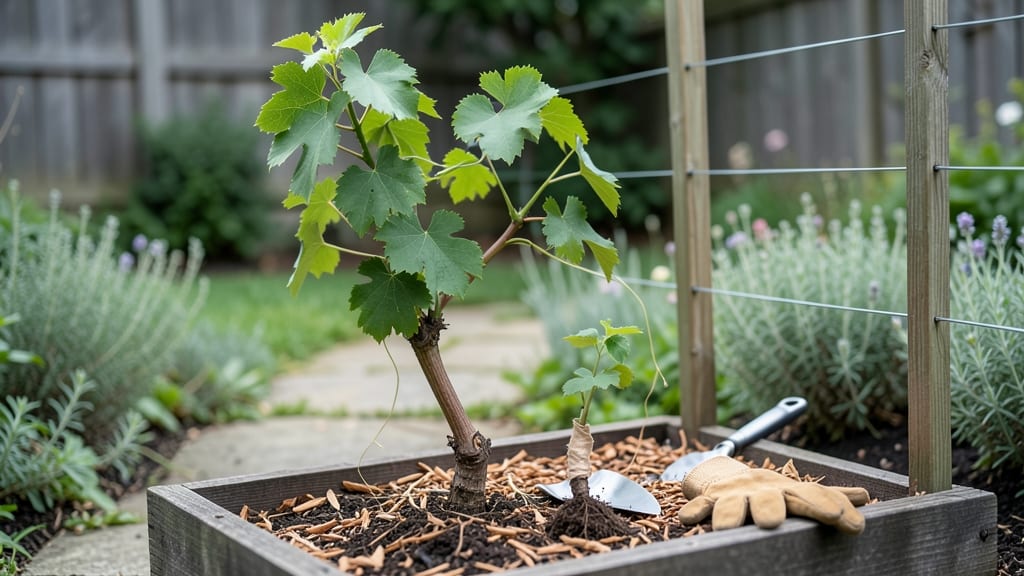
Timing your grapes 🍇 planting in North Carolina isn’t just about the calendar—it’s about surviving the region’s unpredictable frosts and heat waves. Plant too early, and a late freeze could wipe out your vines before they even take root.
Get it right, though, and you’ll be sipping fresh wine or snacking on homegrown fruit by next fall.
North Carolina’s climate varies wildly from the Coastal Plain to the Mountains, meaning what works in Wilmington might fail in Asheville.
The key is understanding your local frost dates and choosing the right planting window—typically between February and April—to give your vines the best shot at thriving in USDA Zones 6a-8b.
I’ll break down the exact frost-free timeline you need, whether you’re growing Muscadines in the Piedmont or European varieties in the Mountains. Plus, I’ll share insider tips for adjusting your schedule based on elevation, soil, and even microclimates in your backyard.
Ready to plant with confidence? Let’s dive into the perfect timing for your NC grapes—no more guessing, just growing.
NC grape planting dates by elevation Zone: Coastal vs Piedmont vs Mountains
North Carolina’s three distinct elevation zones—Coastal Plain, Piedmont, and Mountains—create wildly different grape planting windows. In the Coastal Plain (USDA Zone 8a), where last frosts average March 15, you can plant grapes as early as February 15 for a full growing season.
Meanwhile, in the Piedmont (Zone 7b), last frosts hit March 30, pushing ideal planting to March 15-April 1. Mountain gardeners in Zone 6a face last frosts around April 15, making April 1 the safest start date.
These differences matter because grapes need 150-180 frost-free days to mature. Plant too early in the Mountains, and your vines may suffer frost damage before establishing roots. Conversely, Coastal gardeners risk heat stress if they delay planting past early spring.
The key is aligning your planting with local last-frost averages and your chosen variety’s cold hardiness.
Muscadine grapes, NC’s native variety, thrive in the Coastal Plain’s heat and can handle brief frosts, while Vitis vinifera (European table grapes) need the Piedmont’s milder climate. Hybrid varieties like 'Catawba' bridge the gap, performing well across all zones with proper timing.
| Zone | Last Frost | Ideal Planting Window | Best Varieties | Frost Risk |
|---|---|---|---|---|
| Coastal Plain (Zone 8a) | Mid-March | Feb 15–Mar 15 | Scuppernong, Magnolia | Low (heat stress risk) |
| Piedmont (Zone 7b) | Late March | Mar 15–Apr 1 | Catawba, Norton | Moderate |
| Mountains (Zone 6a) | Mid-April | Apr 1–Apr 15 | Concord, Niagara | High (late frosts) |
To pinpoint your exact planting date, check the NC State Climate Office’s frost maps or use the USDA Plant Hardiness Zone Map. For example, Asheville (Zone 7a) has a later last frost than Raleigh (Zone 7b), so adjust accordingly.
If you’re unsure, err on the later side—grapes recover better from heat stress than frost damage.
Another critical factor is soil temperature. Grapes won’t thrive if planted in cold, wet soil. Wait until the ground reaches at least 50°F (10°C)—use a soil thermometer to check. In the Mountains, this often means waiting until mid-April, even if frost dates suggest earlier planting.
For container-grown grapes, you have slightly more flexibility. Pots warm up faster, so you can plant 1-2 weeks earlier than in-ground vines. However, containers also dry out quicker, so ensure they’re in a south-facing location with drip irrigation to maintain moisture.
This is especially useful in the Coastal Plain, where summer heat can stress young vines.
Pro tip: If you’re planting in May or later, choose fast-maturing varieties like 'Black Monukka' or 'Thomcord' to ensure fruit ripens before the first frost. These varieties typically mature in 120-140 days, giving you a safety net for late starts.
Pair them with dwarf rootstocks to reduce frost exposure risks for the canopy.
Finally, consider microclimates within your zone. A south-facing slope or urban heat island can push your last frost back by 1-2 weeks, extending your planting window. Conversely, low-lying areas or valleys may experience earlier frosts, so monitor local weather forecasts closely.
By aligning your planting with these elevation-based guidelines, you’ll give your grapes the best shot at a bountiful harvest—whether you’re growing Muscadines in Wilmington or Norton in Boone. Next, we’ll cover how to adjust for unpredictable frosts and protect your vines year-round.
How to adjust planting time for early vs late frosts in NC
North Carolina’s unpredictable frost patterns can throw off even the most careful gardener’s timing. In the Mountains (USDA Zone 6a-7a), late spring frosts after April 15 aren’t uncommon, while the Coastal Plain (Zone 8a-8b) may face early frosts as soon as October 20.
These shifts mean your grapes could suffer if planted too early or too late.
For European grapevines (Vitis vinifera), which are less cold-hardy, a single 28°F night can kill young shoots. Meanwhile, Muscadines—NC’s native grapes—can tolerate 15°F without damage, giving them more flexibility. Understanding these risks helps you adjust planting windows proactively.
🌱Pro Tip: Use the NC State Climate Office’s frost prediction tools (available [here](https://climate.ncsu.edu/)) to track 30-year frost averages for your county. This data can shift your planting date by 2-4 weeks compared to general guidelines.
⚠️ Frost Warning for NC Gardeners
European grapes (e.g., Cabernet Sauvignon, Chardonnay) planted too early (before March 15 in Piedmont) risk root freeze if soil temps drop below 32°F. Muscadines are safer but still need soil warmth (50°F+) to root properly.
Action: Delay planting until after your last frost date or use row covers for the first 4-6 weeks to protect young vines.
If you’re in a high-risk frost zone (like the Blue Ridge Escarpment), consider cold-hardy rootstocks like ‘Riparia’ or ‘Rupestris’. These grafted varieties can survive 10°F and give your desired grape variety a better chance of thriving.
Another trick? Plant near south-facing walls or fences to create a microclimate that warms up 5-10°F faster than open ground. This can extend your growing season by 2-3 weeks in early spring or late fall.
For container-grown grapes, move pots to a protected location (like a garage or greenhouse) if a frost warning appears in the forecast. Even Muscadines benefit from this extra care during their first 2 years of growth.
🌿Remember: The first 60 days after planting are critical for root establishment. If you’re unsure about your local frost risks, err on the side of planting later—you can always prune back new growth if needed, but frost damage is harder to recover from.