
Flowers
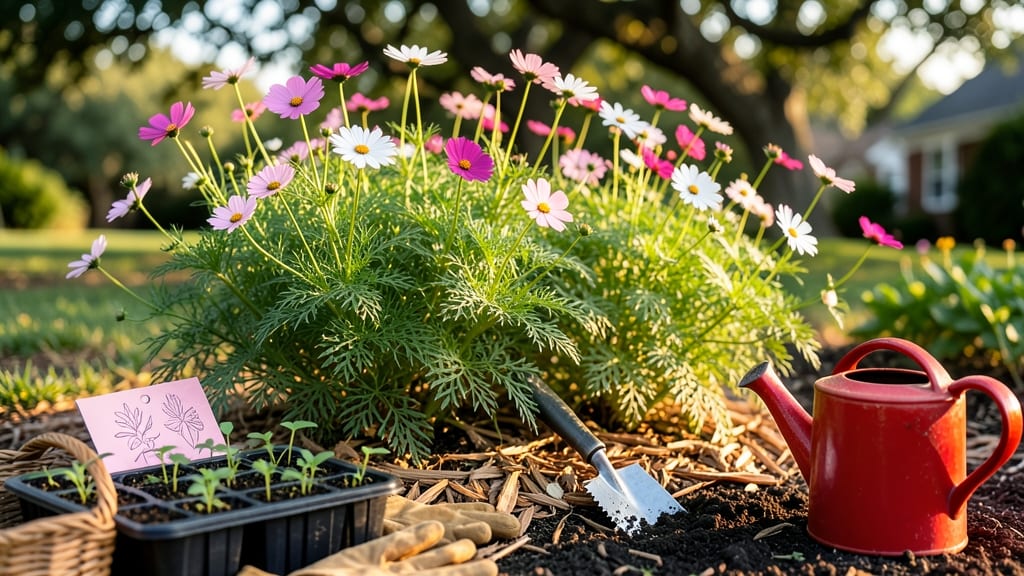
Timing your flowers in San Antonio planting window could mean the difference between a vibrant garden and a sad, wilted disappointment. The city’s unique microclimates—where frost can sneak in as late as mid-January and summer heat arrives early—demand a strategic approach to keep your 🌸 thriving year-round.
Most gardeners assume spring is the only time to plant, but in USDA Zone 8a-8b, fall planting (September–March) gives flowers a head start before summer’s brutal heat. This means fewer watering battles and stronger roots before the real growing season kicks in.
Whether you’re dreaming of spring blooms or extending your fall color, the key is understanding when to put those seeds in the ground. I’ll break down the best months for annuals, perennials, and even heat-loving varieties that can handle San Antonio’s sweltering summers.
Ready to turn your garden into a year-round paradise? Let’s dive into the exact planting schedule that’ll keep your flowers happy—no matter what the Alamo City throws at them.
San Antonio’s frost-free planting zones: when to start annuals and perennials
San Antonio’s USDA Zone 8a/8b climate means we enjoy 210 frost-free days, but those rare freezes (usually November 15–February 15) can still threaten tender blooms. The key to success?
Planting annuals and perennials during the cool shoulder seasons—fall (September–October) for spring blooms and early spring (February–March) for summer color. This strategy lets you avoid the brutal 100°F+ summers while maximizing bloom time.
For spring-blooming annuals like Marigolds or Petunias, start seeds indoors in January or transplant hardened-off seedlings in February. Perennials like Blackfoot Daisy or Mexican Feather Grass can go straight into the ground in November–December—they’ll establish roots before winter and burst into color by March.
The goal? Beat the last frost date (typically January 15) while giving plants time to root before summer’s heat arrives.
| Plant Type | Ideal Planting Window | Notes |
|---|---|---|
| Spring Annuals (Marigolds, Petunias) | February–March (transplant) | Direct-sow after last frost; mulch to retain moisture. |
| Fall Annuals (Pansies, Snapdragons) | September–October | Plant 6–8 weeks before first frost for winter color. |
| Perennials (Blackfoot Daisy, Salvia) | November–December or February | Fall planting = stronger roots; spring planting = earlier blooms. |
| Summer-Blooming (Lantana, Zinnias) | June–July (transplant) | Heat-tolerant; water deeply 2–3x/week after transplant. |
If you’re itching to garden in summer, focus on heat-tolerant varieties like Lantana or Portulaca. These thrive when transplanted in late May–June, once soil temps exceed 70°F. For containers, use self-watering pots and place them in morning sun with afternoon shade to prevent wilting.
Pro tip: Soak seeds or seedlings in lukewarm water for 10 minutes before planting to reduce transplant shock in extreme heat.
Microclimates matter in San Antonio! North-facing gardens stay cooler and can handle spring planting as early as January, while south-facing beds may need to wait until March to avoid heat stress.
Test your soil’s moisture retention by digging a 6-inch hole—if it’s dry by 10 AM, your area is prone to drought, and you’ll need drip irrigation or mulch to protect young plants.
For bulbs like Daffodils or Tulips, plant them in November for spring blooms. These cold-hardy beauties naturalize over time and multiply, but avoid planting after December 1—they need 8–10 weeks of chill to bloom reliably.
In urban heat islands (like downtown), opt for shade-loving bulbs like Crocuses or Snowdrops near trees or structures.
One common mistake? Overwatering in fall when rains are frequent. Instead, water deeply once a week after planting to encourage root growth, then let nature take over. Use a moisture meter to check soil depth—aim for 1–2 inches of moisture at all times.
For container gardens, switch to drought-tolerant annuals like Verbena or Gomphrena in summer, as they handle weekly watering better than thirsty Petunias.
To stretch your season, try succession planting: Sow fast-growing annuals like Zinnias every 2–3 weeks from March–June for continuous blooms. Pair them with slow-growing perennials like Coneflowers to fill gaps.
In fall, plant Pansies or Violas in October—they’ll bloom until January and handle light frosts down to 20°F.
Remember: San Antonio’s humidity (often 60–80%) means fungal diseases like powdery mildew are a risk. Space plants 12–18 inches apart for airflow, and avoid overhead watering.
Instead, use drip irrigation or a soaker hose to keep foliage dry. For container gardens, elevate pots to improve drainage and prevent root rot.
Start with 3–5 easy varieties to master timing, then expand. My top beginner picks for San Antonio: Blackfoot Daisy (drought-proof), Lantana
Heat-tolerant flowers that thrive in San Antonio’s summer: planting timing and care
San Antonio’s summer heat—often exceeding 100°F—can turn your garden into a stressful zone for most flowers. But with the right heat-tolerant varieties, you can enjoy vibrant blooms from June through September. The key is planting at the right time and providing minimal shade during peak afternoon heat.
Start seeds indoors 4-6 weeks before your last frost (mid-February) for summer-blooming annuals like Zinnias and Marigolds. Transplant seedlings outdoors after May 15 when soil temperatures stabilize above 65°F. This timing ensures roots establish before the brutal July heat arrives.
For direct-sown summer flowers, scatter seeds after June 1 when daytime highs consistently stay above 85°F. Varieties like Lantana and Portulaca germinate best in warm soil and handle San Antonio’s drought-like conditions with ease.
🌡️ Summer Flowers: Heat Tolerance Showdown
✅ Pros of Heat-Tolerant Flowers
- Survive 100°F+ with minimal water
- Bloom continuously through summer months
- Attract pollinators like butterflies and hummingbirds
- Low-maintenance once established
❌ Cons to Consider
- May require afternoon shade in extreme heat
- Some varieties are short-lived annuals
- Need well-draining soil to prevent root rot
- Less vibrant colors in full sun without care
Watering is critical during summer—apply 1-2 inches weekly at the soil base rather than frequent light sprinkles. Use drip irrigation or soaker hoses to keep leaves dry and prevent fungal diseases like powdery mildew. Mulch with 2-3 inches of straw to retain moisture and regulate soil temperature.
For urban gardens, consider container planting with heat-resistant materials like terracotta. Elevate pots to improve airflow and add lightweight potting mix to prevent compaction. Place containers near decorative grasses or succulents to create a microclimate with cooler air circulation.
With these strategies, you’ll enjoy non-stop summer color while keeping your flowers healthy in San Antonio’s challenging climate. The secret? Right plant, right time, right care—no compromises needed.