
Plants
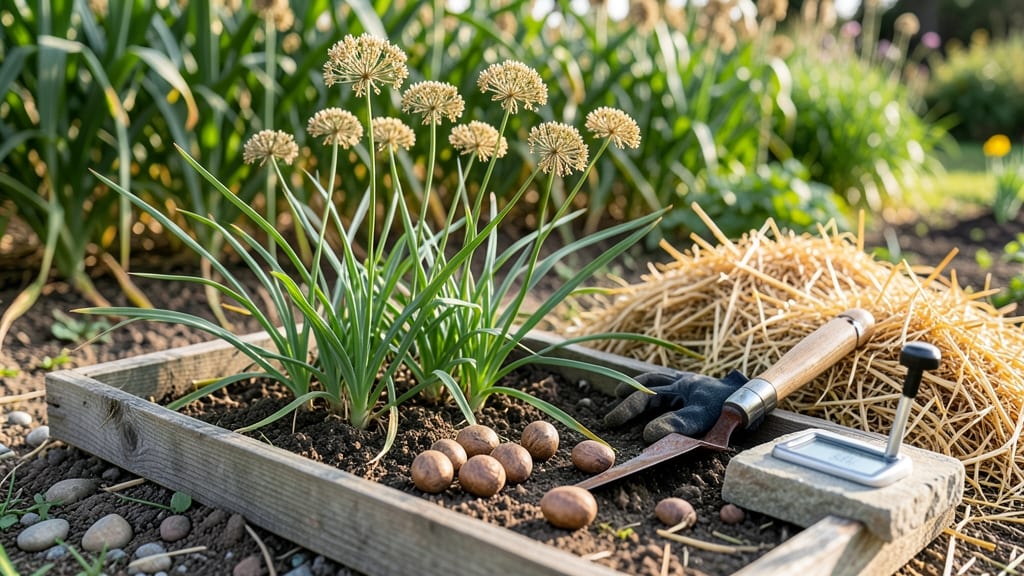
Planting chufa in North Carolina at the wrong time could leave you with stunted tubers—or worse, no harvest at all. This summer-loving plant thrives when soil temperatures hit 60°F, but timing varies wildly from the Coastal Plain to the Mountains.
If you're in USDA zones 7a-8b, waiting until late spring to early summer means the difference between healthy growth and frost damage. I’ve seen gardeners in Raleigh rush planting in May only to watch their chufa struggle when unexpected chilly snaps hit.
Don’t guess your planting window—learn how to align it with your elevation zone’s last frost date. Whether you’re in the sandy soils of Wilmington or the cooler Piedmont, these tips will help you plant chufa when it’s truly ready to flourish.
Ready to avoid common mistakes? Let’s break down the exact frost-free deadlines and soil prep tricks that work for North Carolina’s diverse climate.
NC chufa planting deadlines by elevation zone: frost-free date guide
North Carolina’s diverse elevation zones create significant variations in frost-free dates, which directly impact chufa (Cyperus esculentus) planting success. The Coastal Plain enjoys earlier springs, while the Mountains face later frost risks. Understanding these zones helps you avoid early-season frost damage or missed planting windows.
Chufa thrives when planted after the last frost, but soil temperature matters more than air temperature. Aim for consistent 60°F soil temps at 4 inches deep—this typically aligns with late May to early June across most of NC.
Use a soil thermometer for precision, especially in higher elevation zones where nights remain chilly longer.
Here’s how NC’s elevation zones break down for chufa planting:
| Elevation Zone | Last Frost Date | Optimal Planting Window | Soil Temp Threshold | Key Consideration |
|---|---|---|---|---|
| Coastal Plain (Zone 8a-8b) | March 15–April 15 | Late April–May 15 | 60°F (earlier than inland) | Watch for hurricane delays in June |
| Piedmont (Zone 7b-8a) | April 1–April 30 | May 1–May 20 | 60°F (standard) | Clay soils dry faster—mulch heavily |
| Mountains (Zone 6a-7a) | May 1–May 15 | Late May–June 10 | 65°F (warmer needed) | Extend season with row covers |
| Sandhills (Zone 7b-8a) | March 20–April 5 | Late April–May 10 | 60°F (sandy warms fast) | Irrigate daily until established |
| Tidal Coastal (Zone 8b) | March 1–March 10 | Early April–April 30 | 58°F (milder microclimate) | Salty air—flush soil with fresh water |
For Mountain gardeners, consider starting chufa indoors under grow lights 6–8 weeks before your target outdoor date. Use biodegradable pots to transplant seedlings after the last frost, as they handle transplant shock better than direct-sown seeds.
In the Coastal Plain, take advantage of the early window by planting two successive crops: one in late April and another in early June. This staggered approach maximizes your harvest potential before summer heat sets in.
Always verify your local frost dates using the NC State Climate Office or Almanac’s Frost Calculator. These tools account for microclimates like urban heat islands or sheltered valleys that can shift frost dates by weeks.
Pro tip: Mark your chufa rows with stakes and twine to track growth progress. Chufa tubers develop underground, so visual markers help you remember where to dig later—especially important if you’re juggling multiple planting windows across NC’s zones.
🌱
How to adjust chufa planting for NC’s microclimates and soil conditions
North Carolina’s diverse geography—from the sandy Coastal Plain to the clay-heavy Piedmont and well-drained Mountain soils—means chufa thrives best with tailored adjustments. Each region demands a different approach to mulching, irrigation, and companion planting to maximize your harvest potential.
In the Coastal Plain, where soil drains too quickly, I recommend amending beds with 10% organic compost to retain moisture. The Piedmont’s clay soil needs gypsum or sand to prevent compaction, while Mountain gardens benefit from raised beds to improve warmth retention during cooler nights.
Here’s how I adapt planting techniques for each microclimate to ensure success:
- 🏖️ Coastal Plain: Plant in May after last frost. Use straw mulch (2-3 inches) to lock in moisture. Irrigate daily until tubers establish.
- 🏞️ Piedmont: Wait until mid-May when soil reaches 65°F. Mix compost + perlite into beds. Water every 3-4 days to prevent drought stress.
- ⛰️ Mountains: Extend season with black plastic mulch to warm soil. Plant June 1-15 and use drip irrigation for consistent moisture.
- 💧 Watering Tip: All regions need 1 inch/week during dry spells. Morning watering prevents fungal risks.
- 🌿 Companion Plants: Pair chufa with basil or marigolds to deter pests like cutworms.
For sandy soils, I add a hydrogel mix to beds before planting—this holds 3x more water than bare soil. In clay-heavy areas, I create raised mounds to improve drainage while retaining heat.
The key is soil temperature: chufa seeds won’t germinate below 60°F, so I use a soil thermometer to time planting precisely.
Another pro tip: Sow seeds in succession every 2 weeks from May through June. This staggered approach ensures a continuous harvest window from August through October, regardless of NC’s unpredictable summer rains. Just remember—overwatering in heavy clay or underwatering in sandy soils will stall tuber development.
If your garden faces late spring frosts (common in Mountain regions), I recommend using row covers until mid-May. For extreme heat waves in the Coastal Plain, provide afternoon shade cloth to prevent stress. These small adjustments make all the difference between thriving chufa and wasted seeds.
Finally, test your soil’s pH (6.0-7.0 ideal) before planting. In acidic Piedmont soils, I add lime; in alkaline Mountain soils, sulfur helps balance the mix. A little prep work now saves hours of troubleshooting later!