
How To
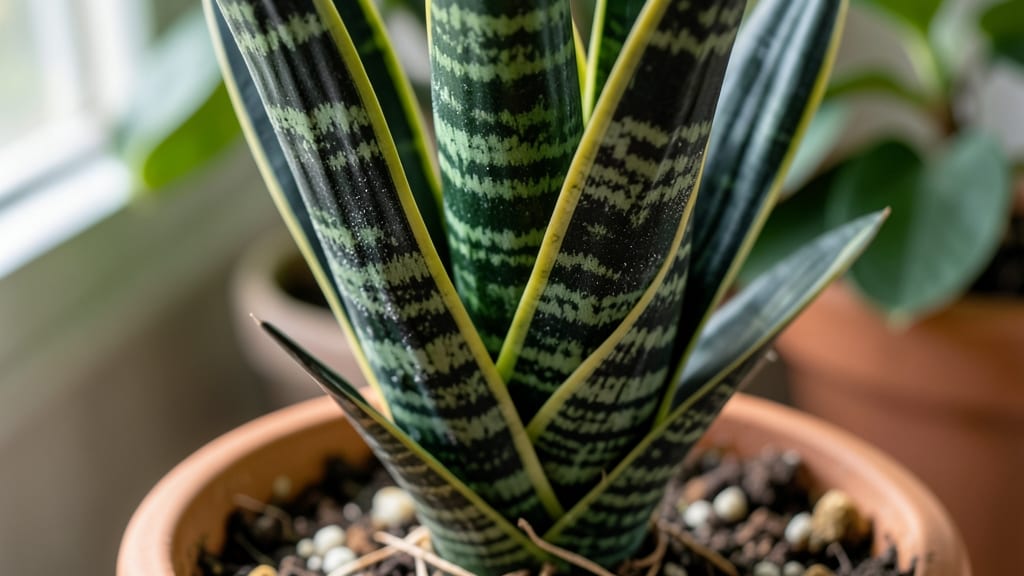
If you’ve ever wondered how tall a snake plant can grow before it looks like it’s reaching for the ceiling, you’re not alone—this hardy houseplant can surprise even the most seasoned plant parents with its growth potential.
The answer depends on the variety, but some snake plants can reach heights of up to 4 feet indoors, while others stay compact at just 1-2 feet.
Whether you’re growing a towering 'Futura Superba' or a petite 'Hahnii,' understanding how tall your plant can grow helps you plan its perfect spot in your home.
Light, pot size, and care habits all play a role in determining whether your snake plant stretches skyward or stays neatly contained. I’ll break down the key factors that influence its growth and share tips to keep it at your desired height—without sacrificing its health.
Ready to learn how to manage your snake plant’s growth like a pro? Let’s dive into the details so you can enjoy its striking beauty without the worry of an out-of-control giant taking over your space.

Snake plant height by variety: how tall can each type grow indoors?
If you’re admiring your snake plant and wondering whether it’ll soon reach the ceiling, the answer depends entirely on the variety you’re growing. Snake plants (Sansevieria) come in striking forms, each with its own mature height range.
Some stay compact and bushy, while others stretch skyward like architectural sculptures. Let’s break down the height expectations for the most popular types so you can plan your space—and your pruning strategy—with confidence.
First, it’s important to note that indoor growth is typically slower and more controlled than outdoor conditions. While some varieties can reach 4 feet tall indoors, others remain under 2 feet even after years of care.
The key factors? Genetics, light exposure, and pot size. Let’s explore the height ranges for the top varieties and what they mean for your home.
🌱 Did You Know? The 'Futura Superba' variety is one of the fastest-growing snake plants, often reaching its maximum height in just 3-4 years with proper care.
| Variety | Common Name | Mature Height (Indoors) | Growth Habit | Best For |
|---|---|---|---|---|
| Sansevieria trifasciata | Mother-in-Law’s Tongue | 2–4 feet | Upright, slow-growing | Large spaces, architectural interest |
| 'Futura Superba' | Futura Superba | 3–4 feet | Tall, slender, fast-growing | Vertical gardens, statement plants |
| 'Hahnii' | Bird’s Nest | 1–2 feet | Compact, bushy, rosette-forming | Small spaces, hanging baskets |
| 'Moonshine' | Moonshine | 1.5–2.5 feet | Short, wide leaves, clumping | Desk plants, low-light areas |
| 'Laurentii' | Golden Hahnii | 1–2 feet | Bushy, variegated edges | Small pots, terrariums |
The Sansevieria trifasciata, often called the classic mother-in-law’s tongue, is the most common variety and can easily reach 4 feet tall indoors with ample light. Its upright growth makes it a favorite for adding height to corners or behind furniture.
If ceiling heights in your home are a concern, this variety might need regular pruning to keep it manageable.
On the shorter end, the 'Hahnii' or 'Bird’s Nest' variety is a dwarf snake plant that tops out at just 1-2 feet. Its bushy, rosette-like form makes it perfect for small spaces, desks, or even hanging baskets.
If you love the look of snake plants but have limited vertical space, this is the variety for you.
For those who want a mid-height option, the 'Moonshine' variety strikes a balance with heights of 1.5-2.5 feet. Its short, wide leaves and clumping habit make it ideal for tabletop displays or as a low-maintenance filler in mixed planters.
Unlike taller varieties, it rarely needs support or staking, making it a hassle-free choice.
Light plays a crucial role in determining how tall your snake plant grows. In low-light conditions, most varieties will grow slower and shorter, sometimes stretching unnaturally toward any available light source—a phenomenon called etiolation.
To encourage healthy, compact growth, place your plant near a bright, indirect light source, like an east- or west-facing window. Avoid direct south-facing sunlight, which can scorch the leaves.
Pot size also influences height. Snake plants in smaller pots tend to grow shorter and bushier because their roots are confined, encouraging horizontal growth instead of vertical. If you’re aiming for a compact plant, choose a pot that’s only slightly larger than the root ball.
For taller growth, opt for a deeper container to accommodate longer roots.
If you’ve noticed your snake plant reaching heights you didn’t expect, don’t panic—it’s not necessarily overgrown. Some varieties, like the 'Futura Superba', are bred to grow tall and slender, making them perfect for vertical gardens or corner displays.
Embrace its natural form or use it as an opportunity to propagate new plants from the leaf cuttings.
🪴 Pro Tip: If your snake plant is growing too tall for your space, consider pruning the top leaves and propagating new plants from the cuttings. This way, you can enjoy multiple plants while keeping your original snake plant at a manageable height.
Factors that control snake plant height: light, pot size, and more
Your snake plant’s height isn’t set in stone—it’s shaped by its environment and care routine. Light exposure is the #1 factor influencing growth. Too little light causes stretched, leggy leaves, while bright, indirect light keeps plants compact and healthy.
I’ve seen 'Futura Superba' varieties grow 2 feet taller indoors when moved to a south-facing window!
Pot size plays a surprising role too. Root-bound plants grow faster because they’re forced to reach for nutrients. If your snake plant’s leaves are yellowing at the base, it’s likely outgrowing its container.
I always repot mine when roots circle the drainage holes—this slows vertical growth while encouraging bushier foliage.
Watering habits also sneakily affect height. Overwatering stresses roots, causing stunted growth, while underwatering triggers aggressive stretching as the plant searches for moisture. My Moonshine variety nearly doubled in height after I cut back to every 3 weeks instead of weekly watering.
🌱
- 💡 Light levels: Low light = leggy growth (3-4 ft); bright indirect = compact (2-3 ft).
- 🪴 Pot size: Root-bound = faster vertical growth; oversized pot = slower, bushier growth.
- 💧 Watering: Overwatering = stunted roots; underwatering = aggressive stretching.
- 🌡️ Temperature: Cooler temps (60-75°F) slow growth; warmth speeds it up.
Temperature fluctuations also matter. Snake plants grow 20% slower in cooler 60-70°F rooms compared to 75-85°F spaces. I noticed this when my 'Hahnii' variety barely grew during winter but shot up 6 inches in spring.
Even humidity levels play a role—dry air can cause taller, thinner leaves as the plant conserves moisture.
Don’t overlook fertilizer timing either. A light spring feeding (like my 5-10-10 balanced fertilizer) encourages leafy growth, but overdoing it leads to taller, weaker stems. I’ve found that skipping summer fertilizing helps maintain my plants’ ideal 2-3 foot height indoors.
Finally, remember that genetics matter. Some varieties like 'Laurentii' naturally stay shorter (2-3 ft), while 'Futura Superba' can reach 4 ft indoors. The good news? With the right care, you can control how tall your snake plant grows—no ceiling domination required!