
Plants
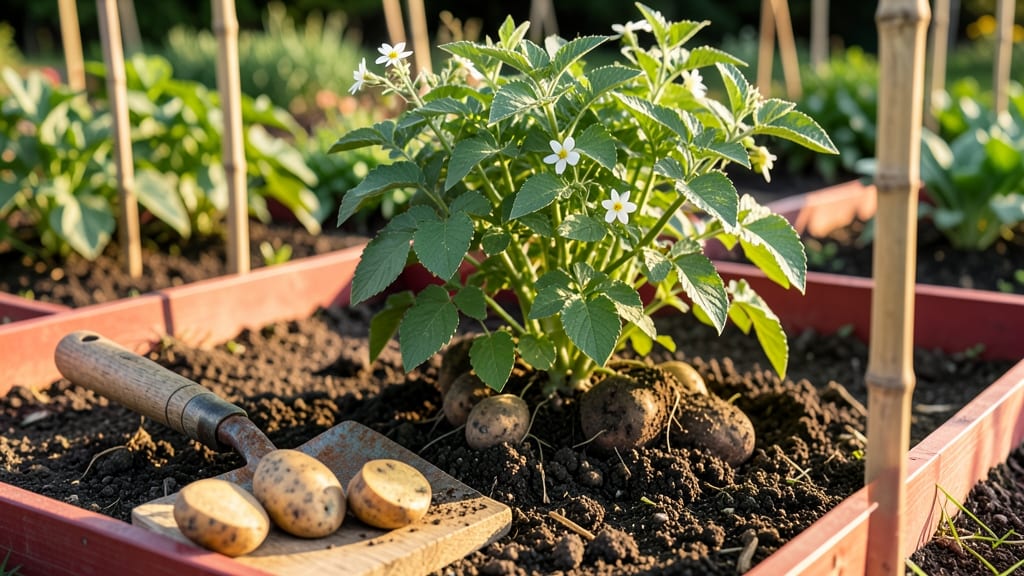
Knowing when to plant potatoes in Michigan isn’t just about checking a calendar—it’s about reading your soil like a weather forecast. Too early, and a late frost will turn your 🥔 dreams into sad, shriveled tubers.
Too late, and you’ll miss the sweet spot for a bumper harvest before summer heat sets in.
Here’s the game-changer: Michigan’s USDA zones 5b-6b mean your planting window hinges on soil temperature, not just dates. While most gardeners aim for mid-April to mid-May, the real magic happens when the ground warms to 45-50°F—a cue that frost risk is fading and roots can thrive.
This guide cuts through the guesswork by breaking down exactly when to plant your seed potatoes, whether you’re growing early varieties (like Yukon Gold) or late-season keepers (like Kennebec).
We’ll also cover soil prep tricks to speed up warming and adjustments for organic vs. conventional growing—so you can maximize your yield without the stress.
Ready to dig in? Let’s turn your Michigan garden into a potato powerhouse, starting with the one critical factor most gardeners overlook: soil temperature triggers that guarantee frost-free growth.
Michigan potato planting calendar: soil temperature triggers for frost-free growth
Michigan’s variable climate makes potato planting a high-stakes game of timing. Unlike calendar dates, the real trigger is soil temperature—potatoes need 45-50°F soil to sprout reliably.
In USDA zones 5b-6b, this typically aligns with mid-April to mid-May, but regional differences mean your exact window could shift by weeks.
For example, southern Michigan (like Kalamazoo) often hits ideal soil temps by late March, while northern regions (like Traverse City) may wait until early May. The key is testing your soil with a soil thermometer—don’t guess!
Planting too early risks frost damage to young sprouts, while waiting too long cuts harvest time.
Here’s the golden rule: Aim to plant 4-6 weeks before your last frost date. This gives tubers time to establish roots before summer heat peaks. In Michigan, that’s roughly April 15 to May 15, but verify with your local USDA frost map.
| Region | Ideal Soil Temp | Planting Window | Last Frost Date | Harvest Ready |
|---|---|---|---|---|
| Southern MI (Detroit, Kalamazoo) | 45-50°F | Late March–Early April | Mid-April | Late July–Early Aug |
| Central MI (Lansing, Grand Rapids) | 45-50°F | Early–Mid April | Early May | Early–Mid Aug |
| Northern MI (Traverse City, Marquette) | 50-55°F | Mid–Late April | Late May | Mid–Late Aug |
| Upper Peninsula (Iron Mountain) | 50-55°F | Late April–Early May | Early June | Late Aug–Early Sept |
🌱 Pro Tip: Use black plastic mulch to warm soil faster in cold regions.
Early varieties like ‘Early Red’ (60-day maturity) can handle cooler soils, while late varieties (110+ days) need warmer temps to avoid blight risks.
For example, ‘Kennebec’ thrives when planted by May 1 in northern Michigan, but the same variety in southern Michigan can go in as early as April 1.
Don’t overlook elevation effects. Gardens in hilly areas (like the Keweenaw Peninsula) may experience frost 2-3 weeks later than valley regions. Use a frost-free date calculator like the one from Michigan State University Extension to refine your schedule.
For organic growers, focus on soil warming tricks like planting near south-facing fences or using straw mulch to retain heat. Conventional gardeners can opt for row covers to extend the season by 2-3 weeks if early planting is tempting.
Remember: Potatoes grow best in cool weather. Planting too late (after Memorial Day) risks heat stress and reduced tuber formation. Aim for 60-90 days of growth before the first fall frost—typically mid-October in most of Michigan.
If you’re new to potatoes, start with certified seed potatoes (not grocery store spuds) for disease-free plants. Chit them indoors 4-6 weeks before planting to jumpstart growth—this is especially helpful in Zone 5b where springs can be unpredictable.
Finally, record your planting dates each year. Michigan’s climate shifts with La Niña/El Niño patterns, so your 2024 schedule might differ from 2025. Over time, you’ll spot trends—like earlier last frosts in southern Michigan due to urban heat islands.
5 Critical factors that determine your Michigan potato planting date
Soil temperature isn’t the only factor—your last frost date sets the final deadline for planting seed potatoes in Michigan. The Upper Peninsula’s average last frost arrives by May 15, while the Lower Peninsula sees it by May 1.
Planting 4-6 weeks before ensures tubers establish roots before frost threatens.
Elevation plays a sneaky role too. Gardens 500+ feet above sea level (common in northern Michigan) experience cooler soil and later frost. Adjust planting dates 1-2 weeks later for high-altitude areas to avoid frost damage to emerging sprouts.
Your organic matter content also shifts timing. Soils with low organic matter (common in sandy regions) warm faster in spring, letting you plant 2 weeks earlier than in heavy clay. Test your soil—aim for 5% organic matter or amend with compost.
Certified seed potatoes (from nurseries) outperform saved seeds. They’re disease-free and sprout 2-3 weeks faster than homegrown tubers. If using saved seeds, chill them 4-6 weeks before planting to mimic winter dormancy and sync growth with warmer soil.
Don’t ignore microclimates—southern exposures warm 1-2 weeks earlier than shaded beds. Place your potato patch near a south-facing fence or raised bed to extend your planting window by 10-14 days in cooler zones.
Upper Peninsula: May 15 | Lower Peninsula: May 1
Add 1-2 weeks for every 500+ ft above sea level
Low OM = plant 2 weeks earlier; high OM = wait until soil hits 50°F
Certified seeds sprout faster; chill saved seeds 4-6 weeks before planting
South-facing beds extend planting by 10-14 days
Pro tip: Use a soil thermometer to confirm 45-50°F soil temps at 4-inch depth—this beats guessing. For organic gardeners, add composted manure 2 weeks before planting to boost warmth and fertility naturally.
Missed the spring window? Plant late varieties in early June for a fall harvest. Just mulch heavily to retain moisture and protect from early frosts—your Yukon Golds will still thrive!